
Tashman Home Center Blog
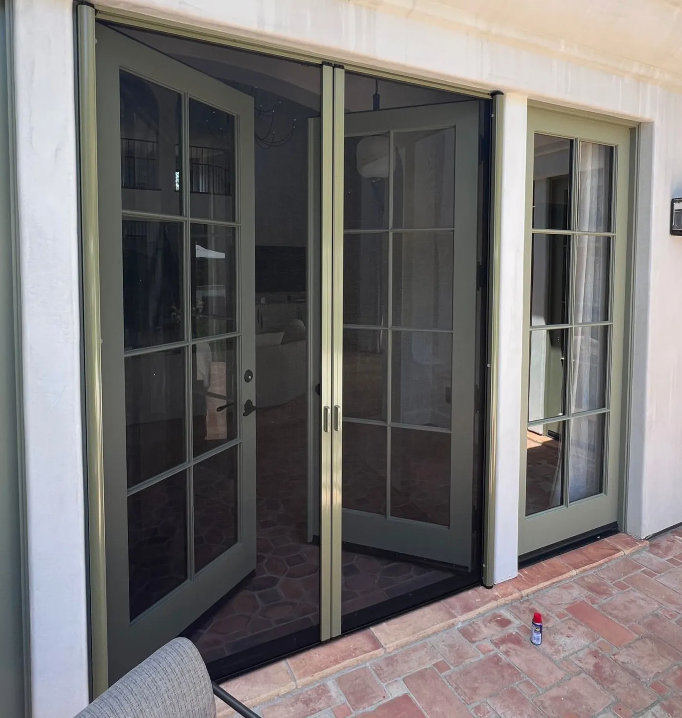
Planning a Beverly Hills remodel? Put custom screens on the door schedule before framing, and see what to decide at each stage with the Tashman Home Center team.
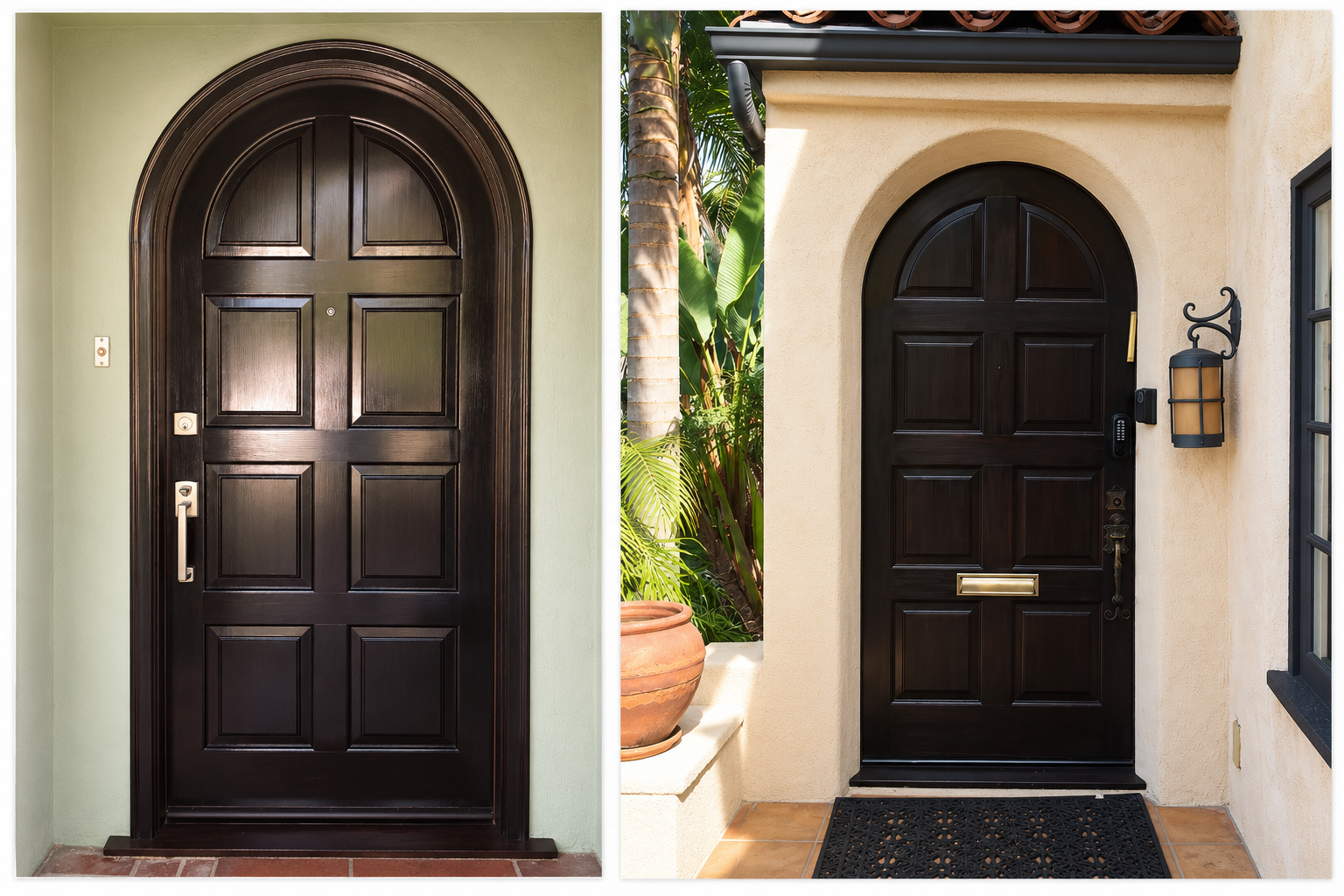
Learn how to choose the best historic door for your Hancock Park home. Compare restoration, replacement, hardware, and HPOZ rules with Tashman Home Center.
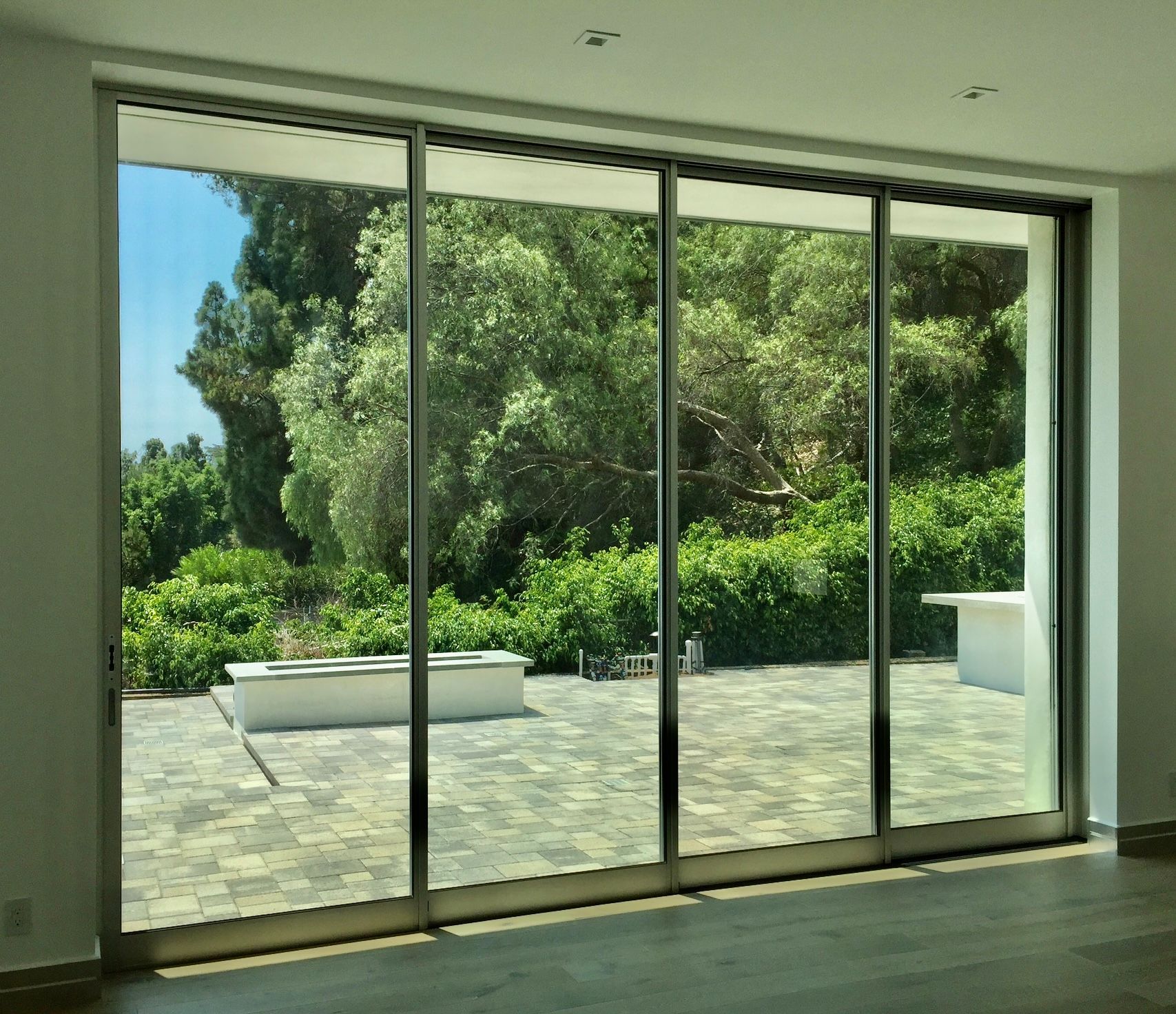
Multi slide patio doors for Beverly Hills homes, built with laminated acoustic glass so a wide open wall does not mean a loud living room. From Tashman Home Center.
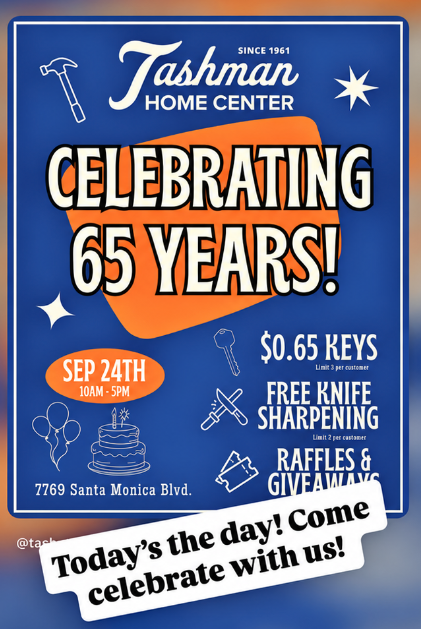
Tashman Home Center celebrates 65 years of serving West Hollywood with trusted windows, doors, screens, restoration, hardware, and local expertise since 1961.
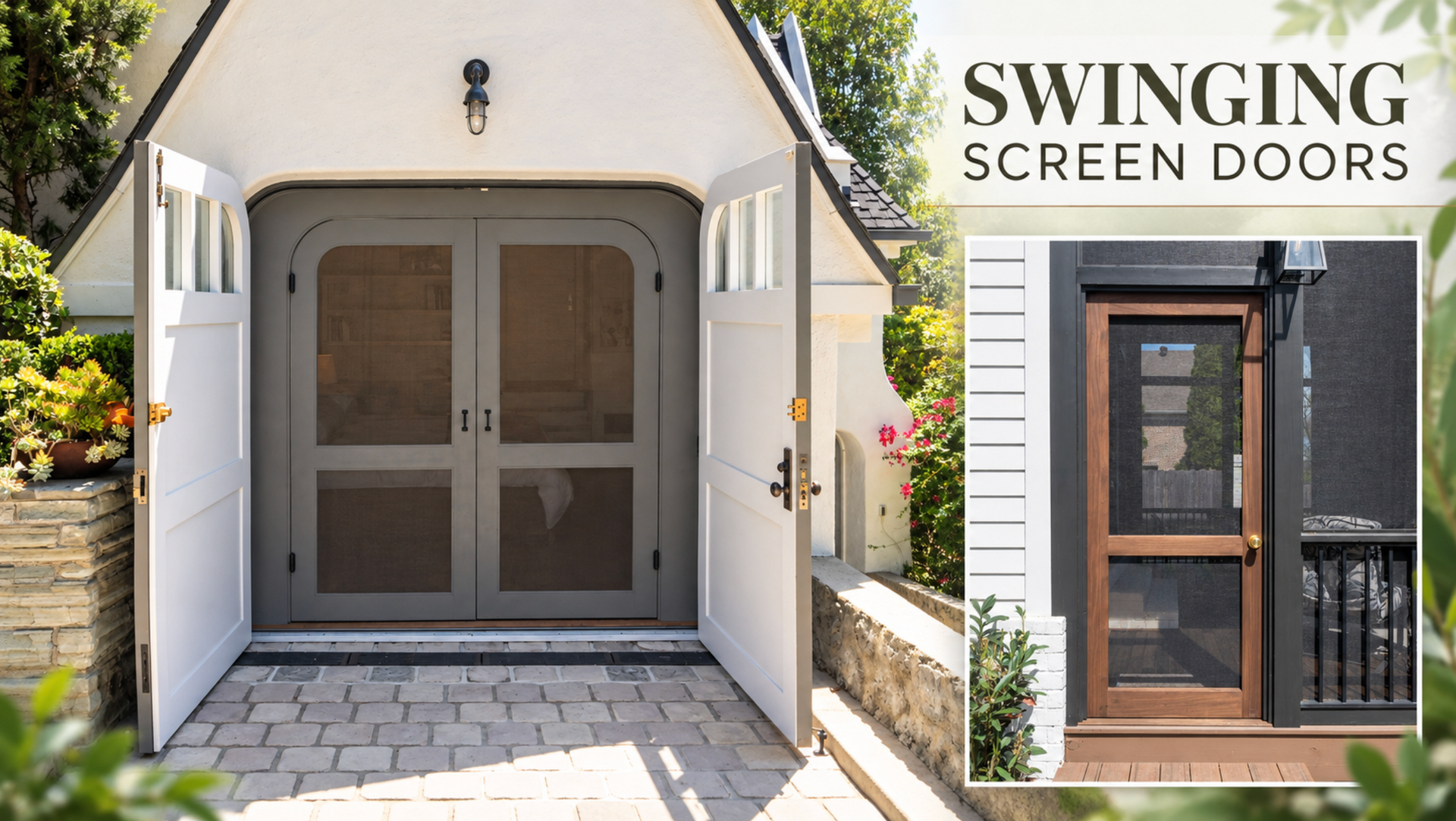
Older Hollywood homes are rarely square, so stock screen doors fail. See how Tashman Home Center measures and builds custom swinging screen doors that fit.
Los Angeles mosquito season peaks in fall, not summer. Retractable screens in West Hollywood keep doors open into November. Costs, mesh options and expert fit.
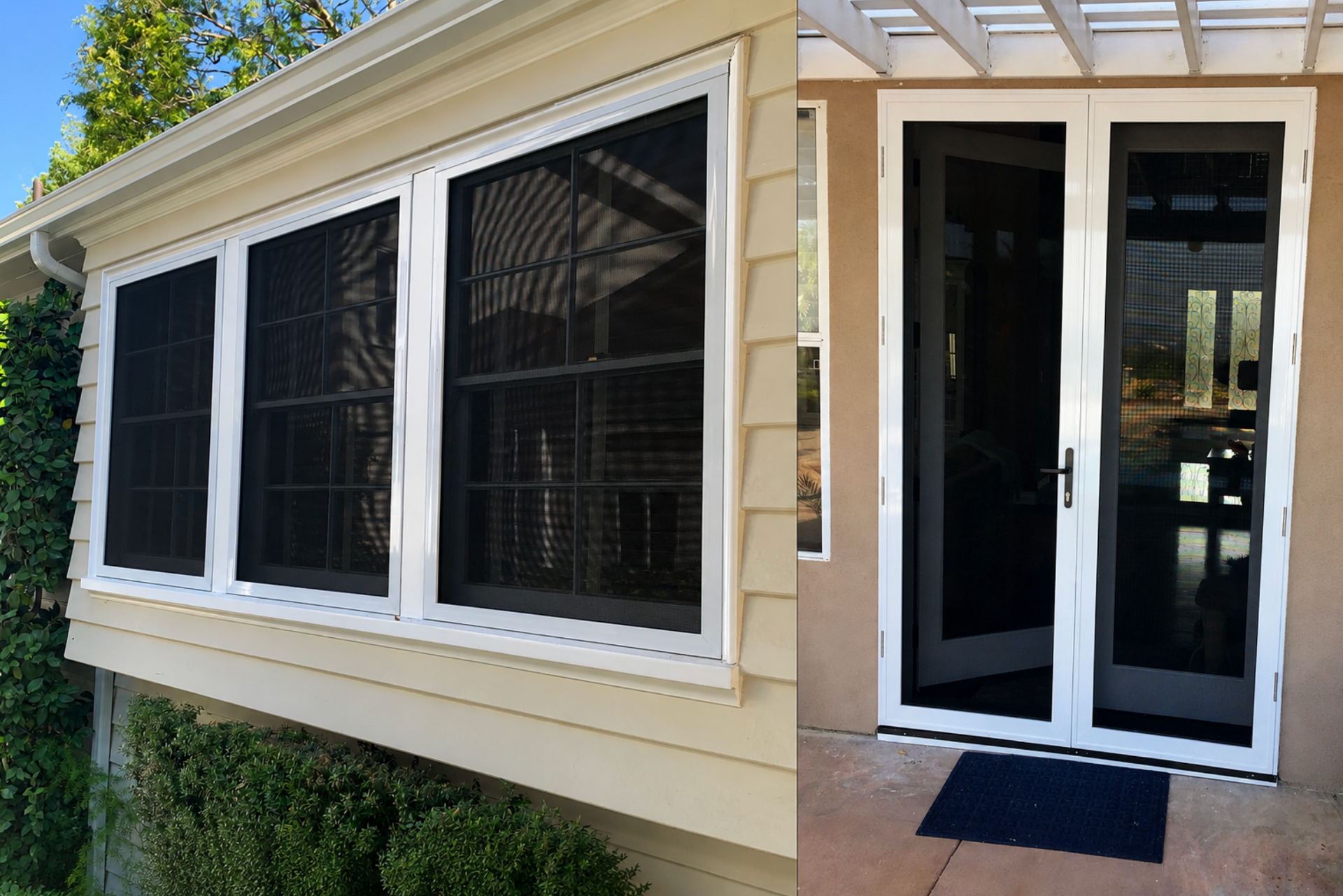
Security Screens for Los Angeles Apartment Buildings: What Owners and Property Managers Need to Know
Security screens for Los Angeles apartment and condo owners: which openings need them, the egress rule most bids miss, and a city program that shares the cost.
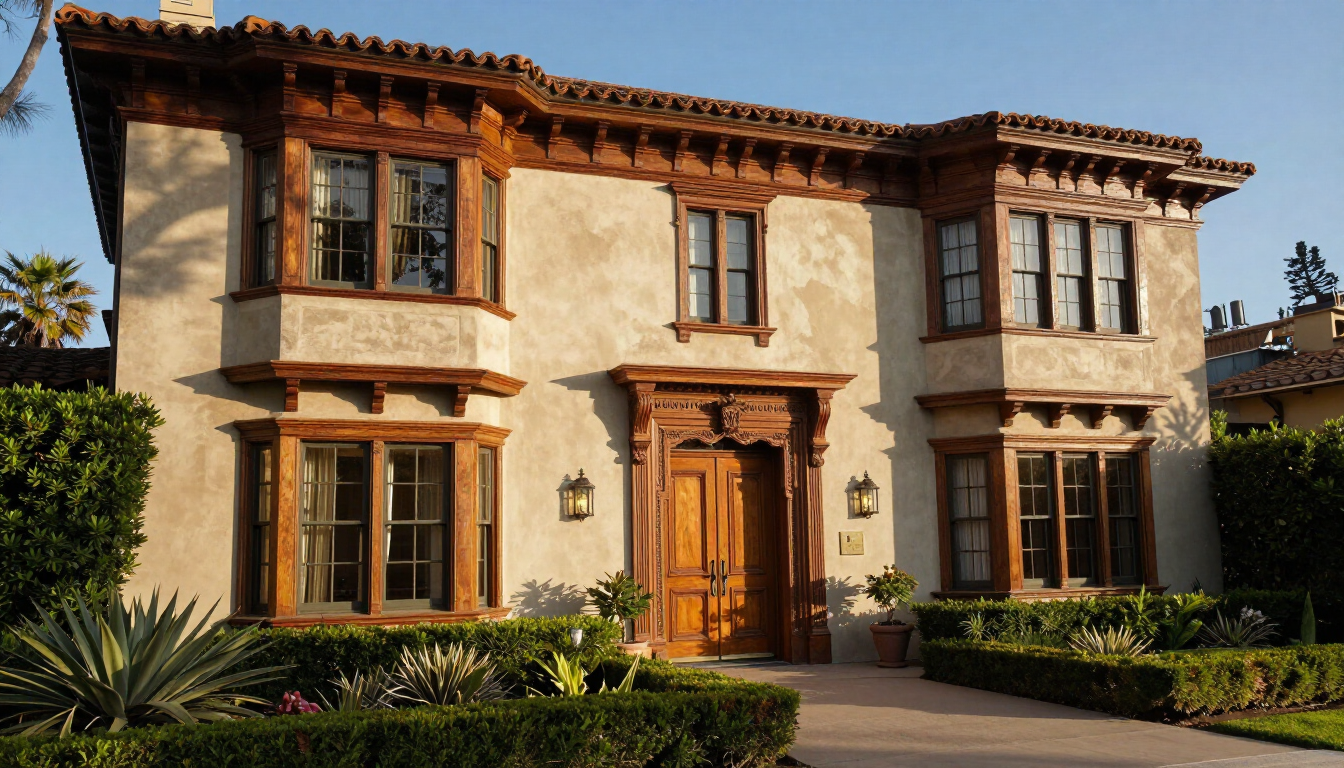
Preserve your home's character with custom historic window and door replacement in Los Angeles. Learn about HPOZ compliance, wood matching, and restoration tips.
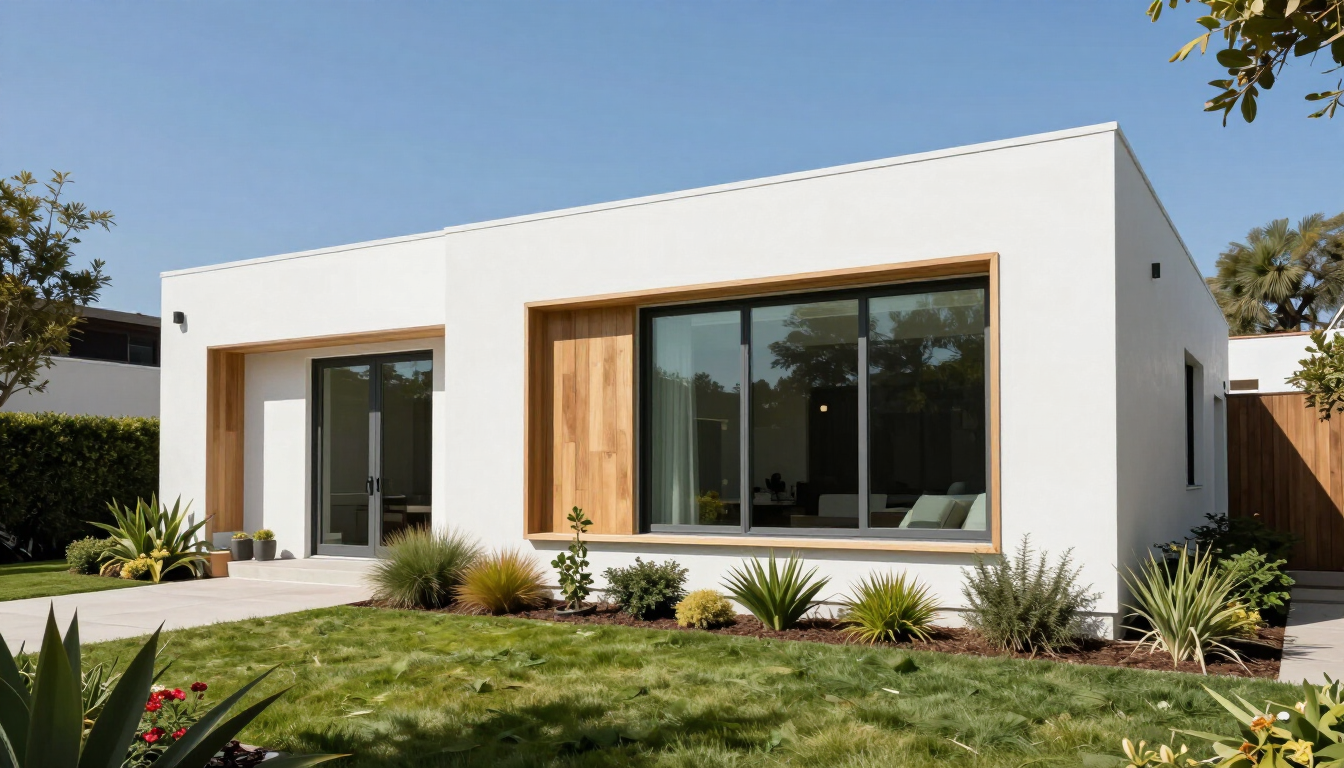
Protect your West Los Angeles home from pests with premium, professionally installed window and door screens. High-quality retractable, security, and pet screens.
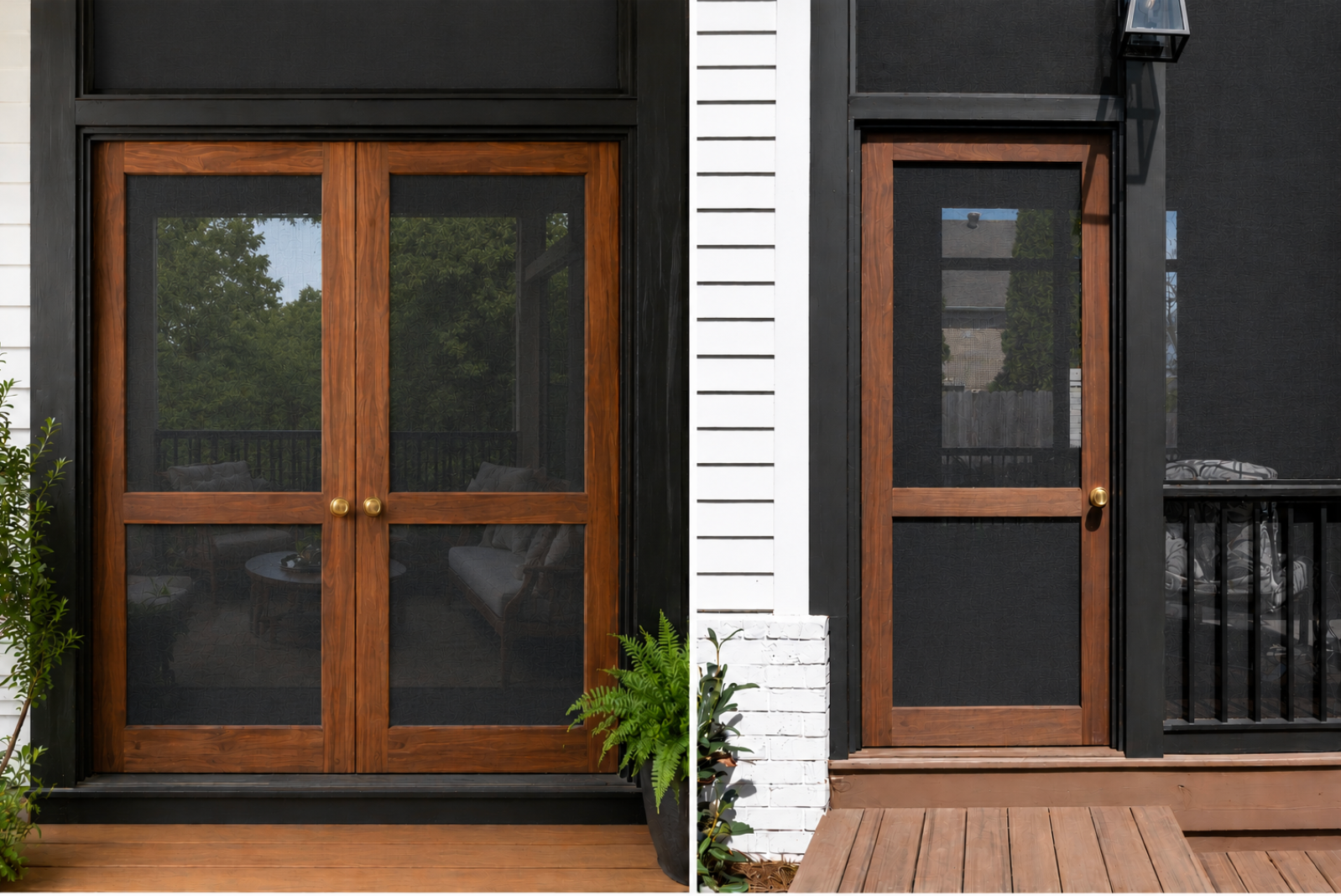
Stock screen doors rarely fit older Los Angeles homes. See how custom wood screen doors solve sizing problems, meet HPOZ rules, and what installation costs.

Soundproof windows and doors in Los Angeles. Learn how STC ratings, laminated glass, and interior systems cut street noise. Free quote from Tashman.

Custom swinging screen doors in Silver Lake, built to fit your opening and installed by Tashman Home Center. Aluminum, wood, decorative grilles, and pet doors.
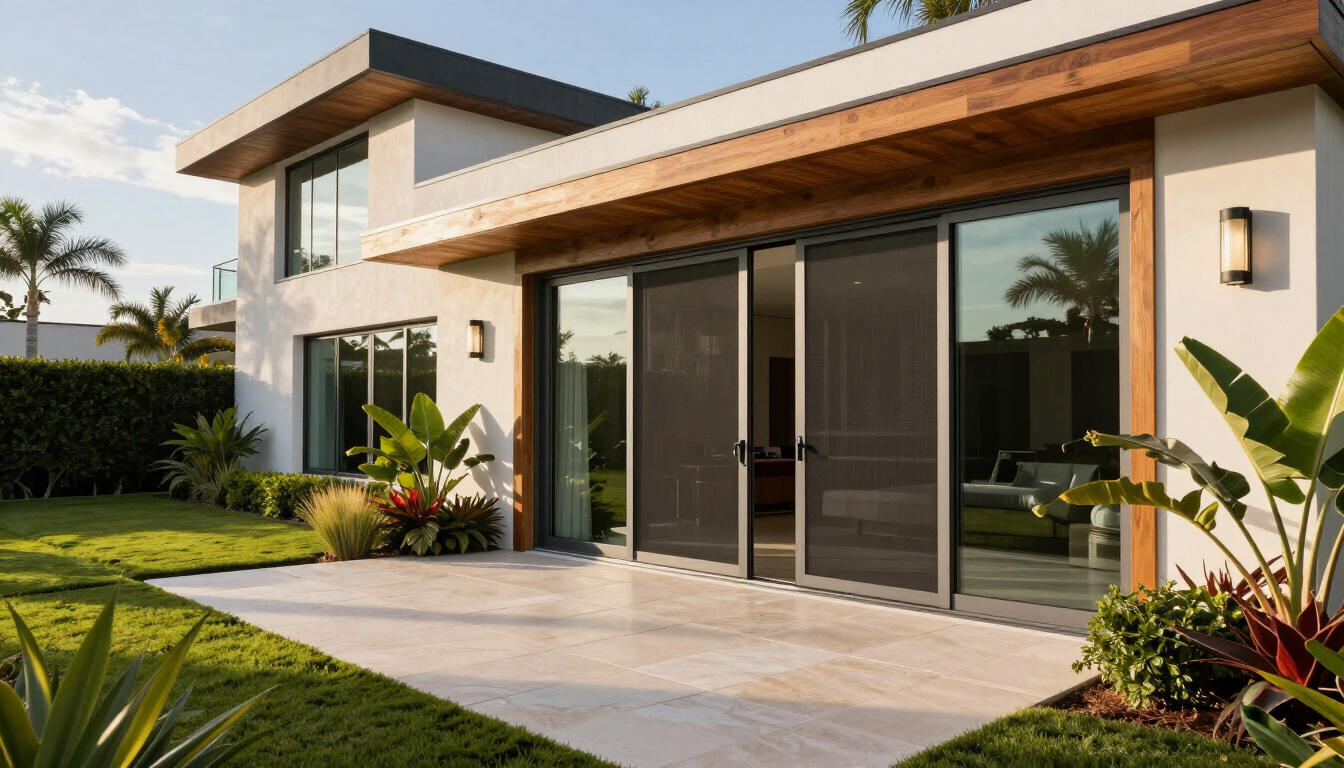
Discover expert retractable screen door installation in Bel Air from Tashman Home Center. Preserve luxury views, boost fresh airflow, and keep pests out in style.
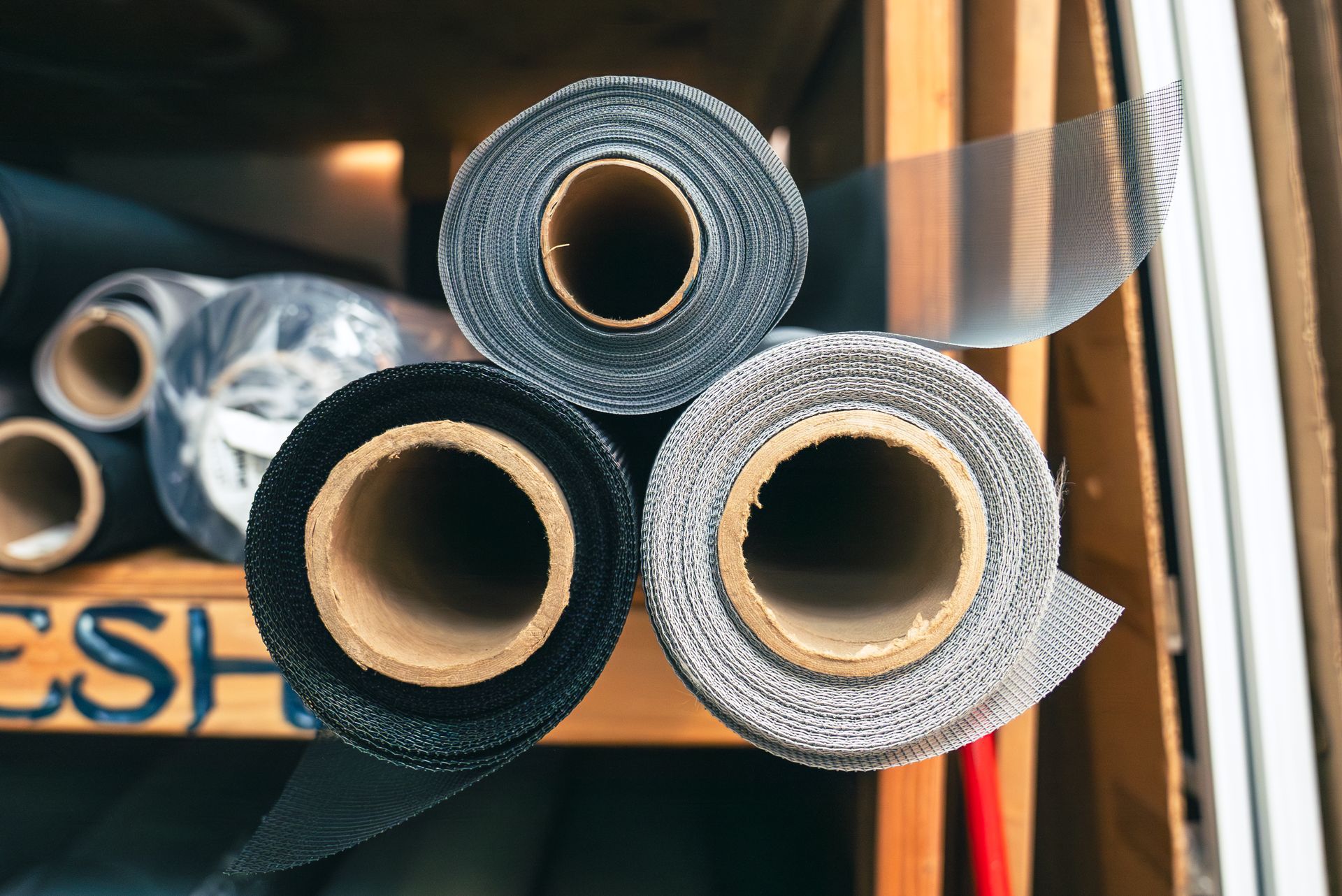
Solar screens in West Hollywood cut heat, glare, and UV fading while keeping airflow. Custom fabricated and installed by Tashman Home Center, trusted since 1961.
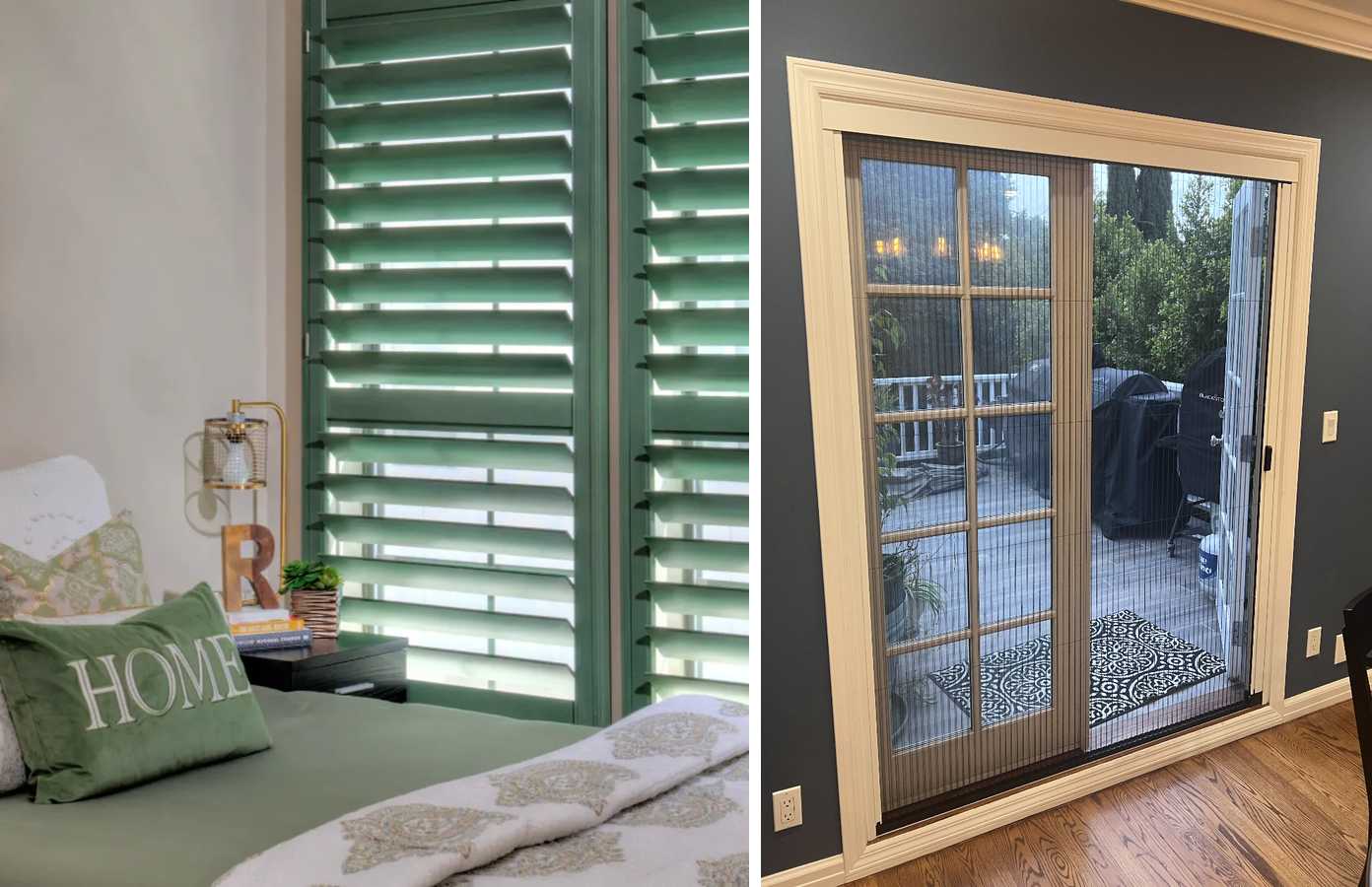
Wood plantation shutters vs screens in Glendale, California. Compare costs, lifespan, and best uses, then see why homeowners trust Tashman Home Center for both.
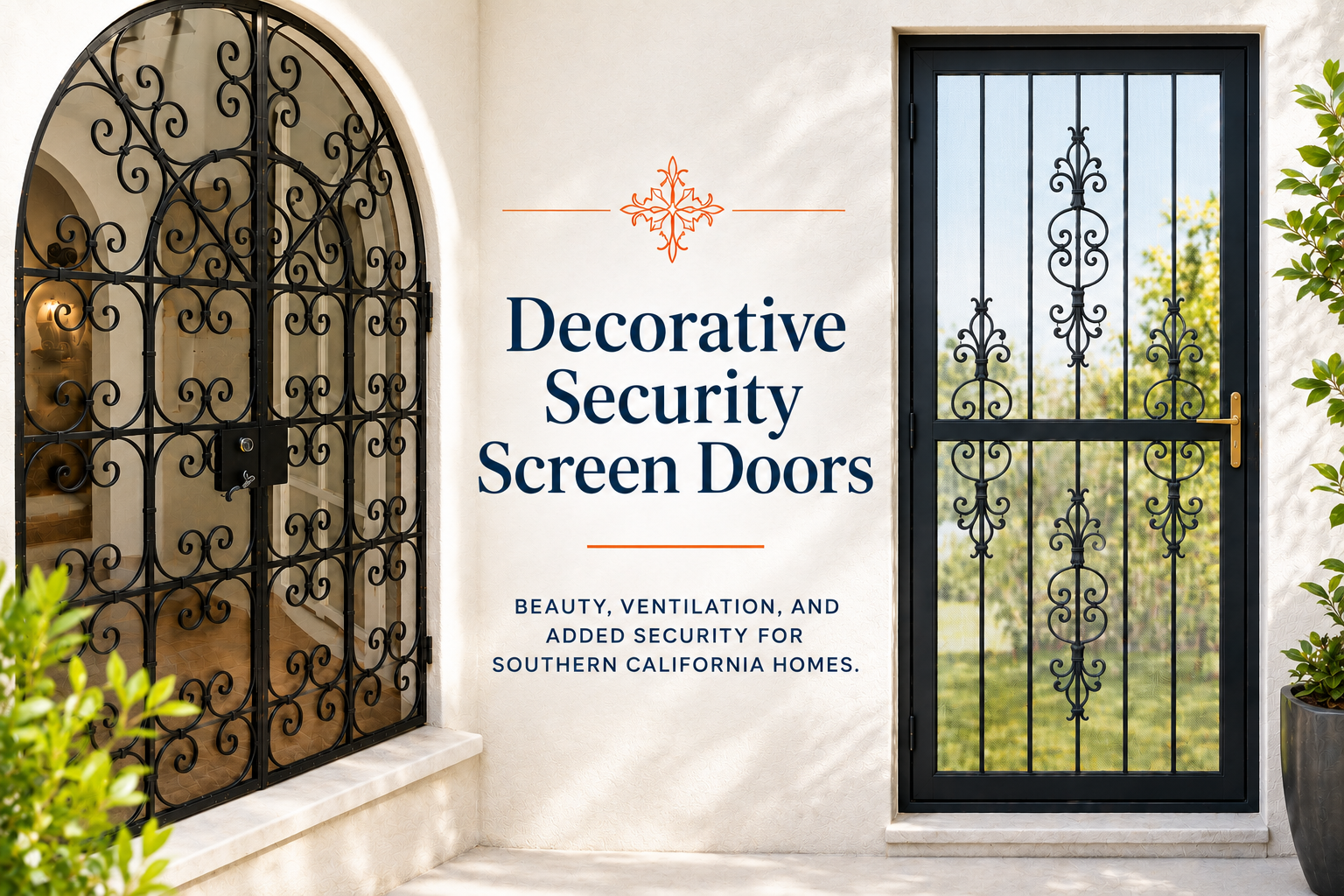
Custom decorative security screen doors for Bel Air homes, blending curb appeal with real forced entry protection, installed by Tashman Home Center since 1961.
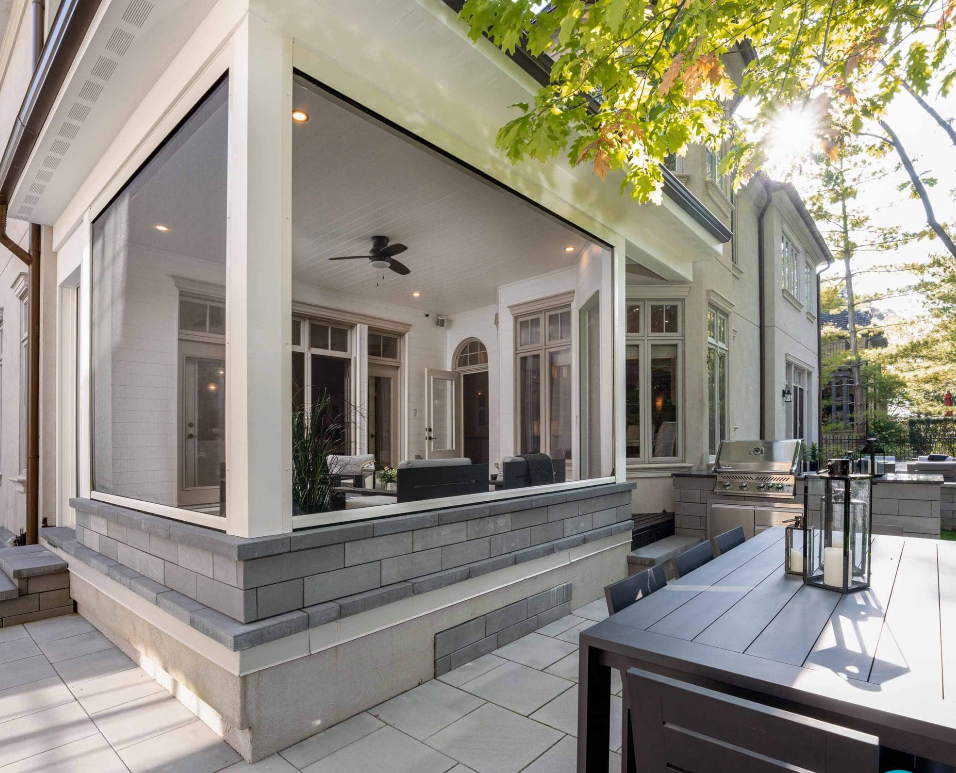
Retractable screen doors for wide patio, sliding, and French door openings in Beverly Hills. Phantom systems fit by Tashman Home Center, serving LA since 1961.
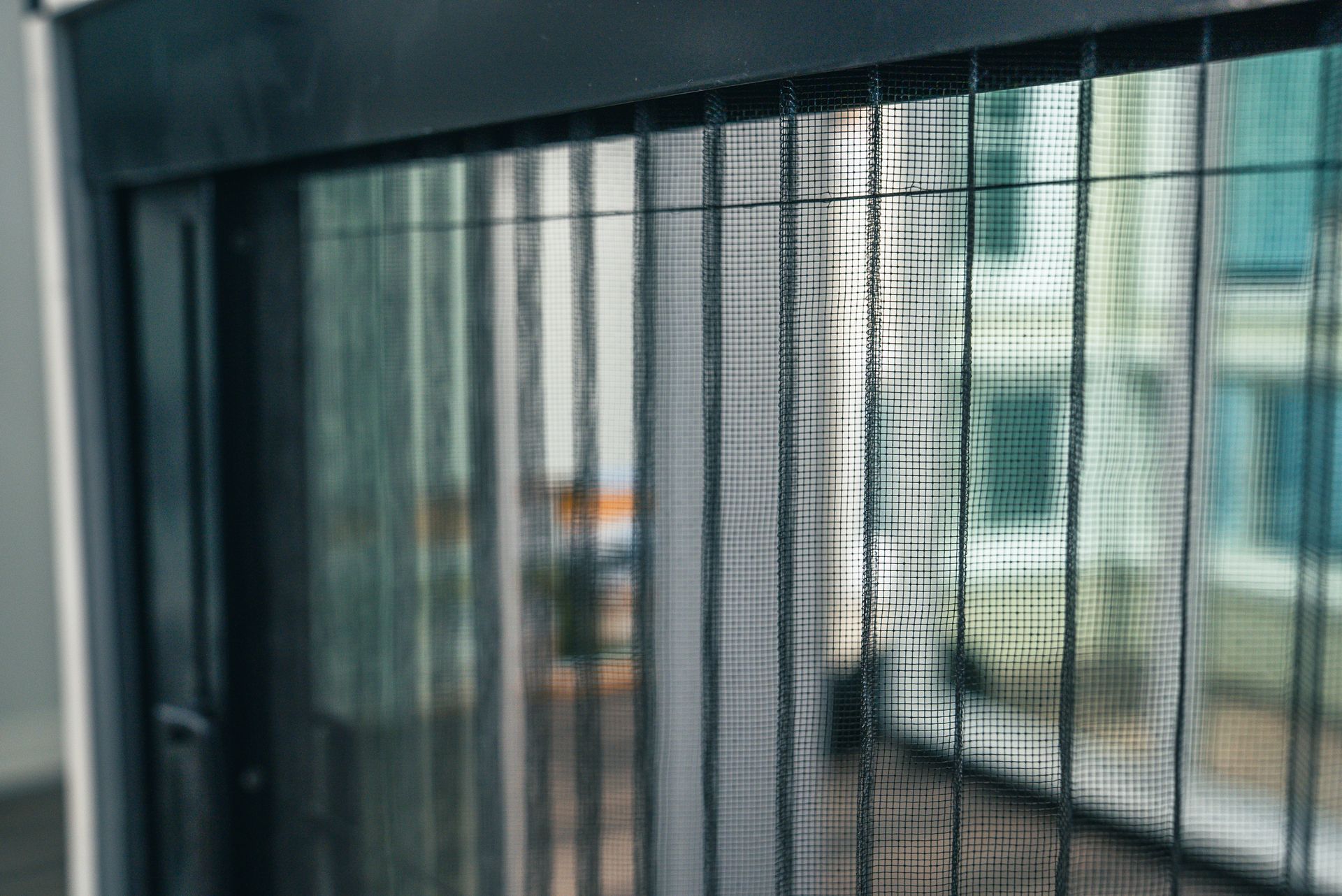
Discover the right screens for your West Hollywood home, from retractable and security screens to repairs. Custom fit, built to last. Get a free estimate today.
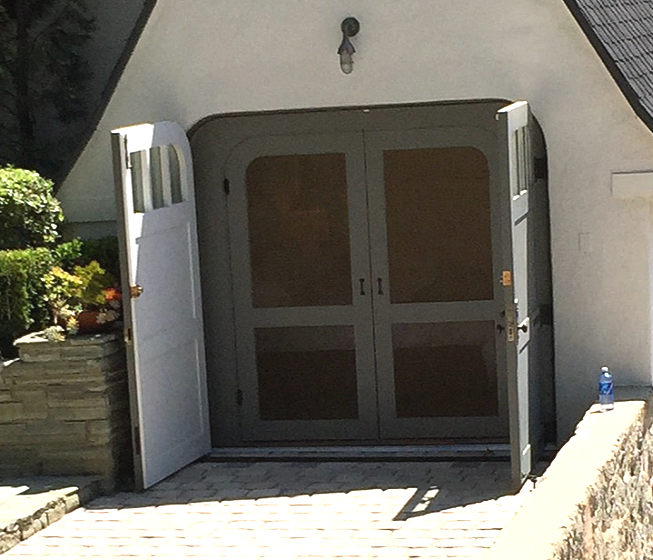
Swinging screen door sticking, sagging, or rattling in Hancock Park? Tashman Home Center shares the common causes and step-by-step fixes. Trusted since 1961.
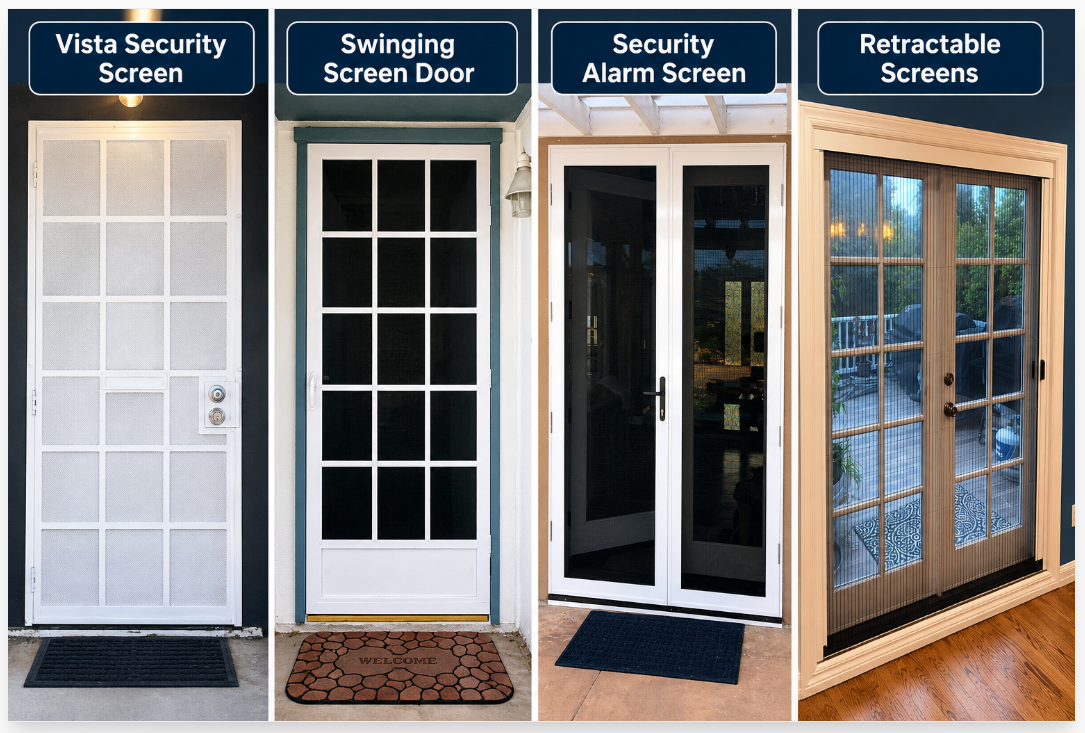
Compare swinging screen doors, retractable screens, Vista Security Screens, and pet resistant options with Tashman Home Center, your West Hollywood screen experts.
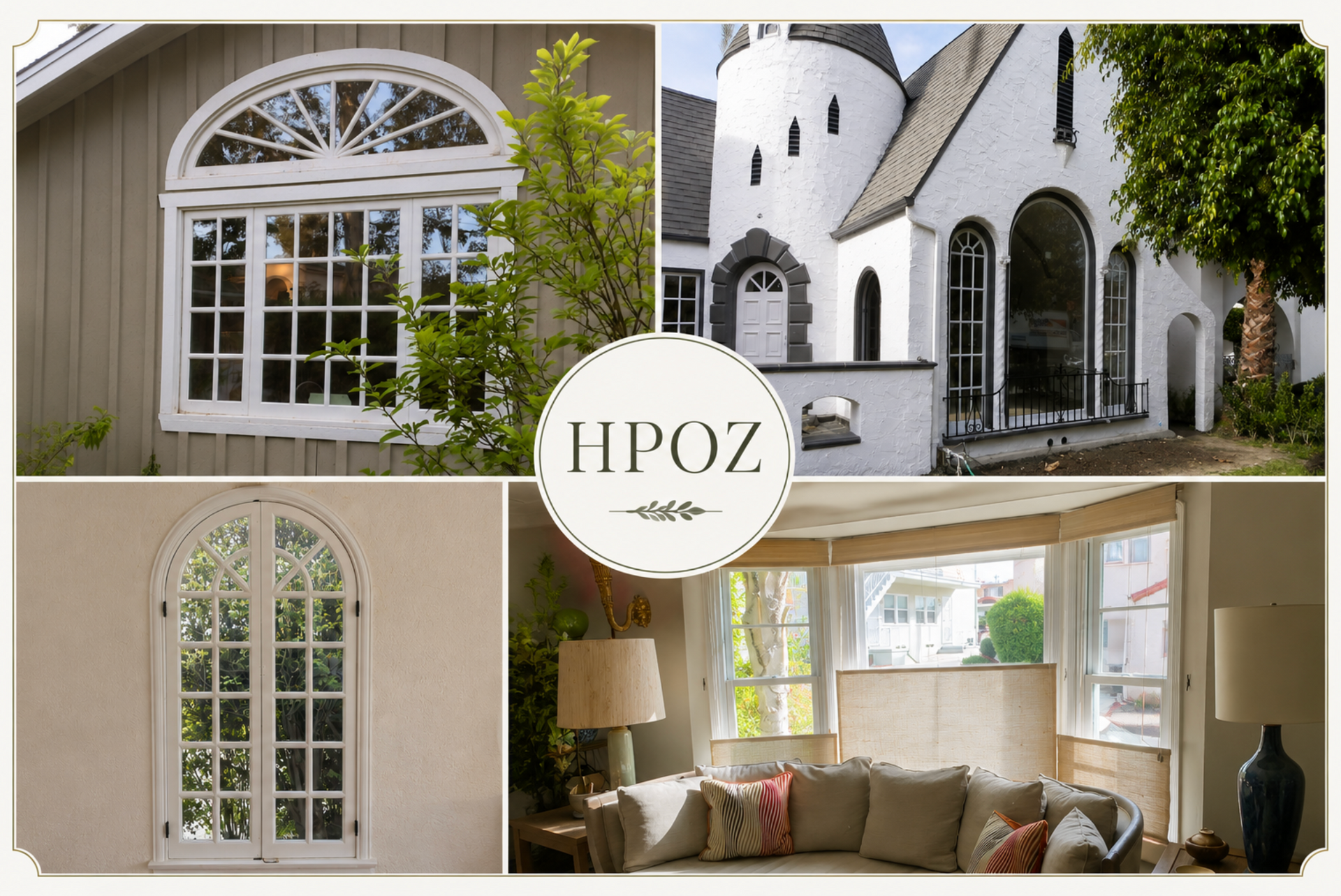
Restore or replace your historic windows in Hancock Park? Learn HPOZ rules, custom wood window options, and real costs from Tashman Home Center, trusted since 1961.
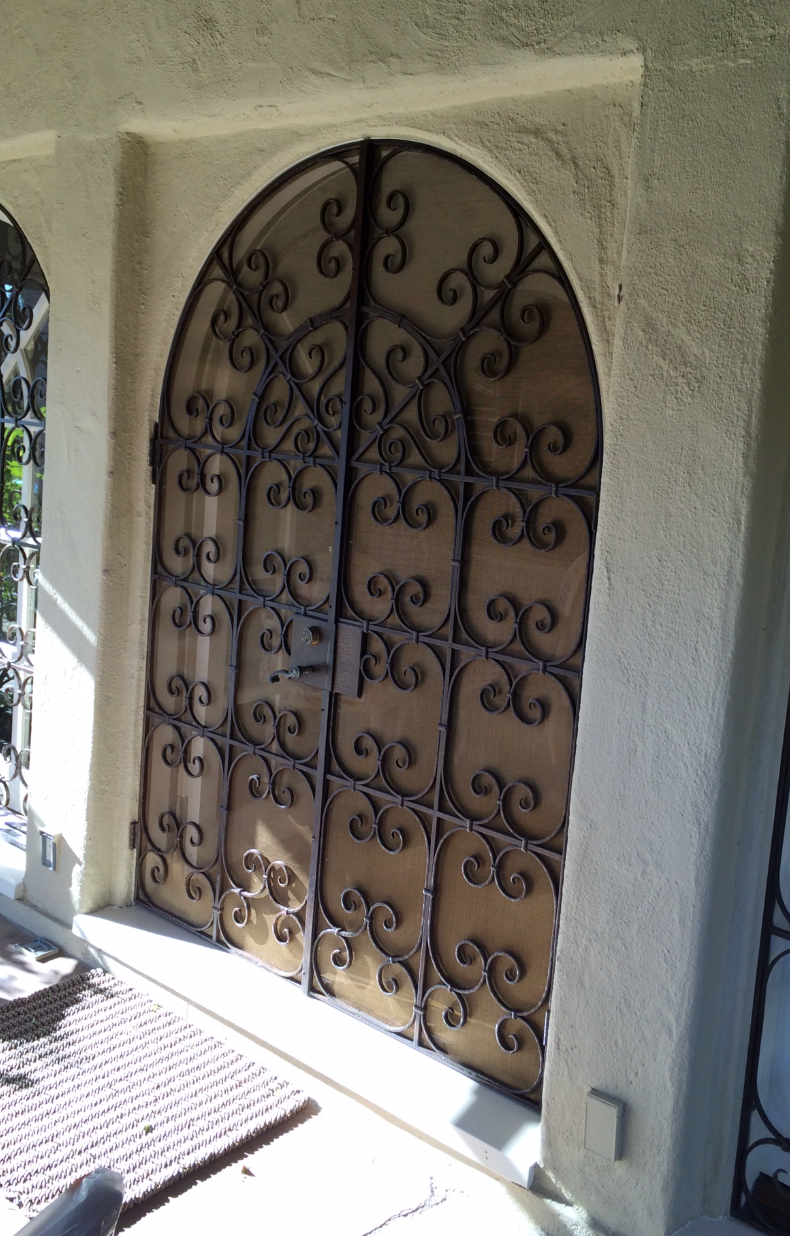
Custom security screens in West Hollywood from Tashman Home Center. Security screen doors and window screens built and installed locally since 1961.
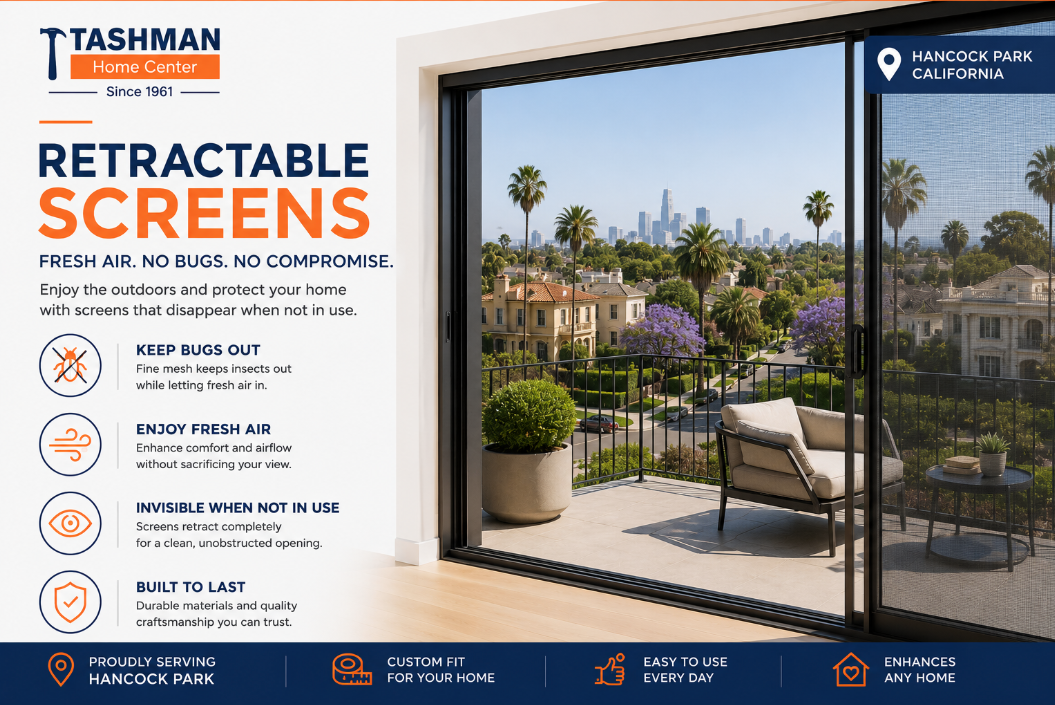
Discover custom retractable screens in Hancock Park that provide fresh air, unobstructed views, and a seamless fit for historic and luxury homes year-round.
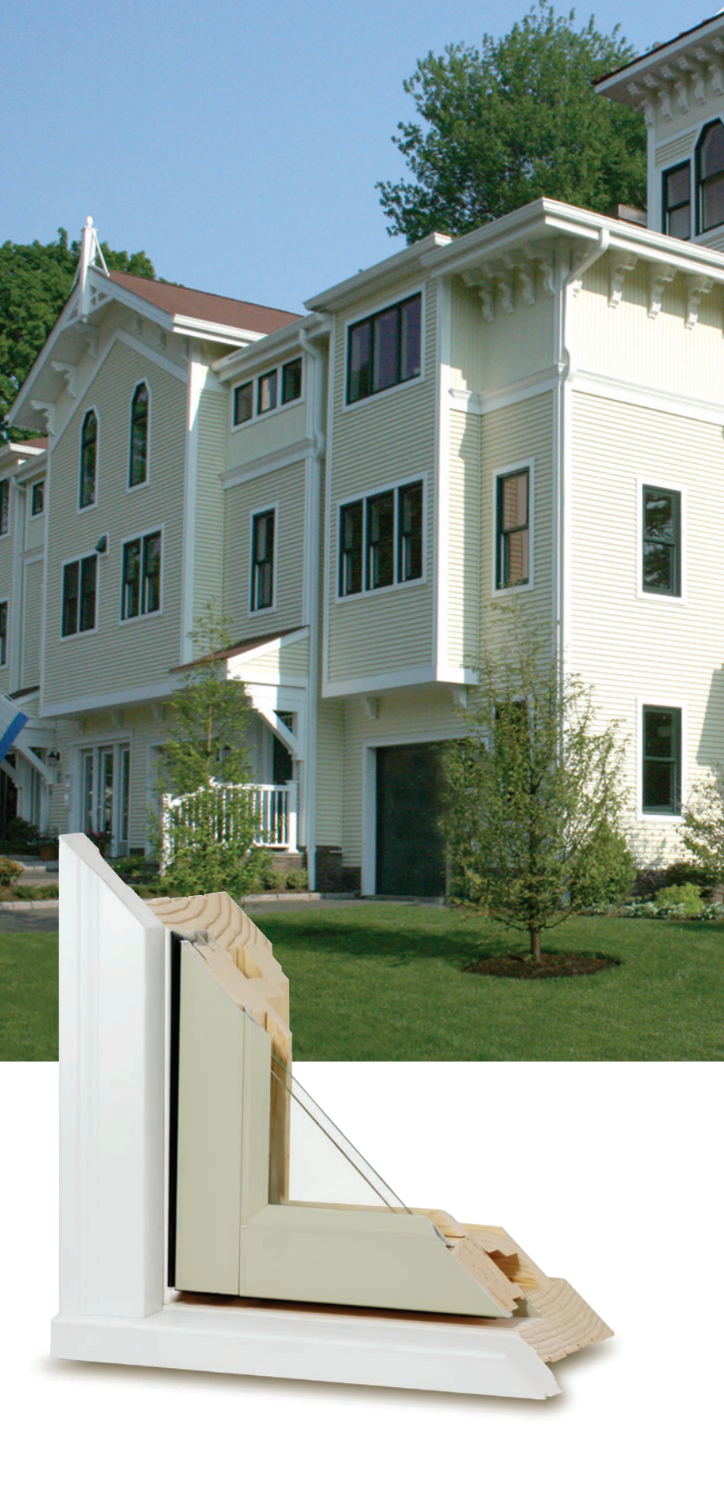
Explore aluminum-clad windows for durability & energy efficiency. Contact Tashman Home Center for custom solutions today!
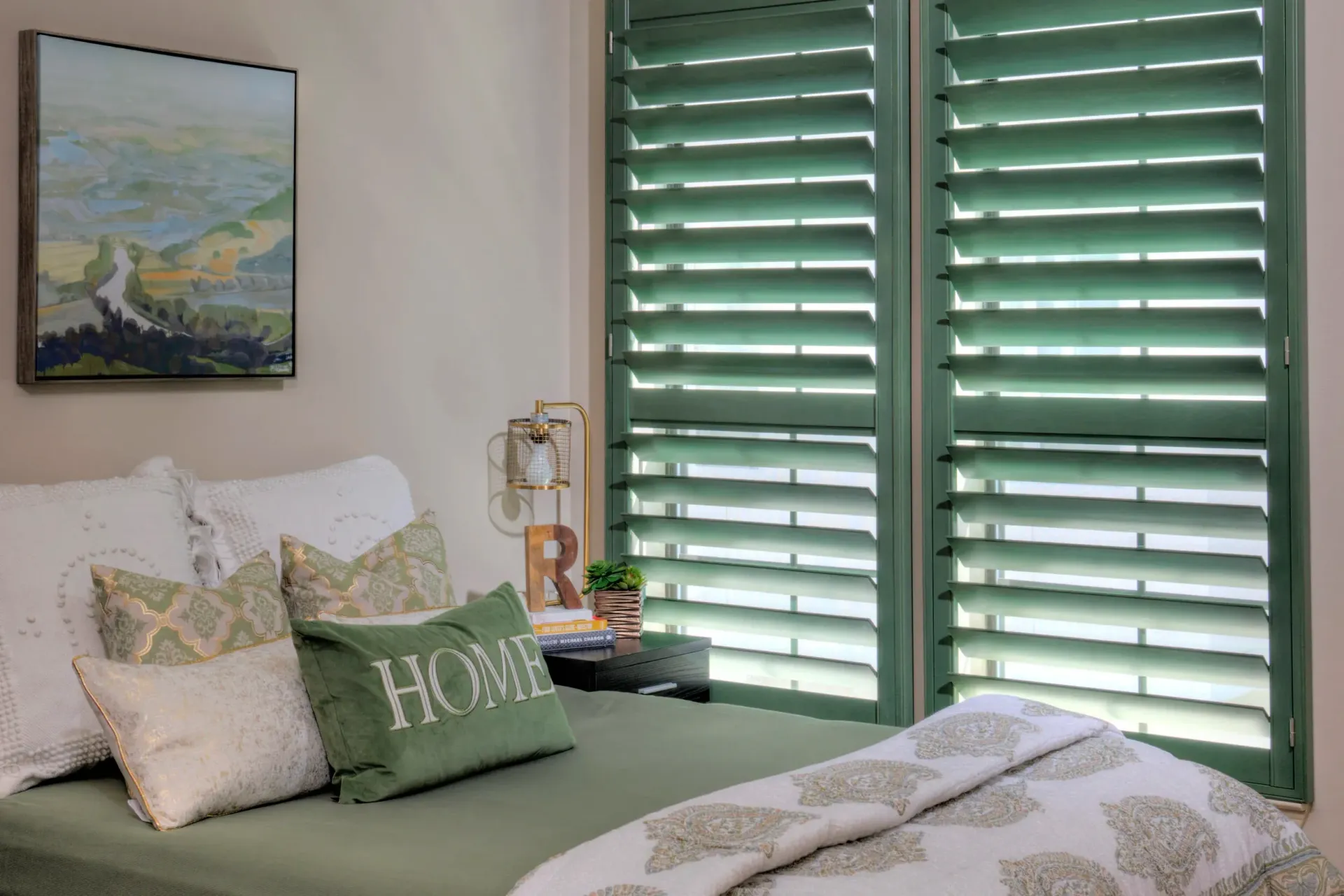
Achieve true silence with CitiQuiet Windows. Enjoy luxury & tranquility in your home. Contact Tashman Home Center for expert installation.
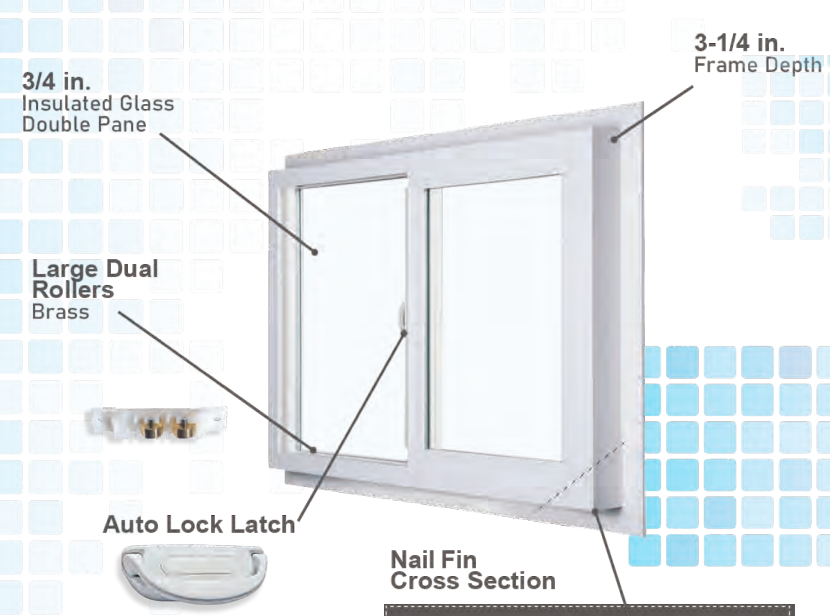
Explore high-performance Crystal Pacific Vinyl Windows at Tashman Home Center. Upgrade your home with energy-efficient solutions today!
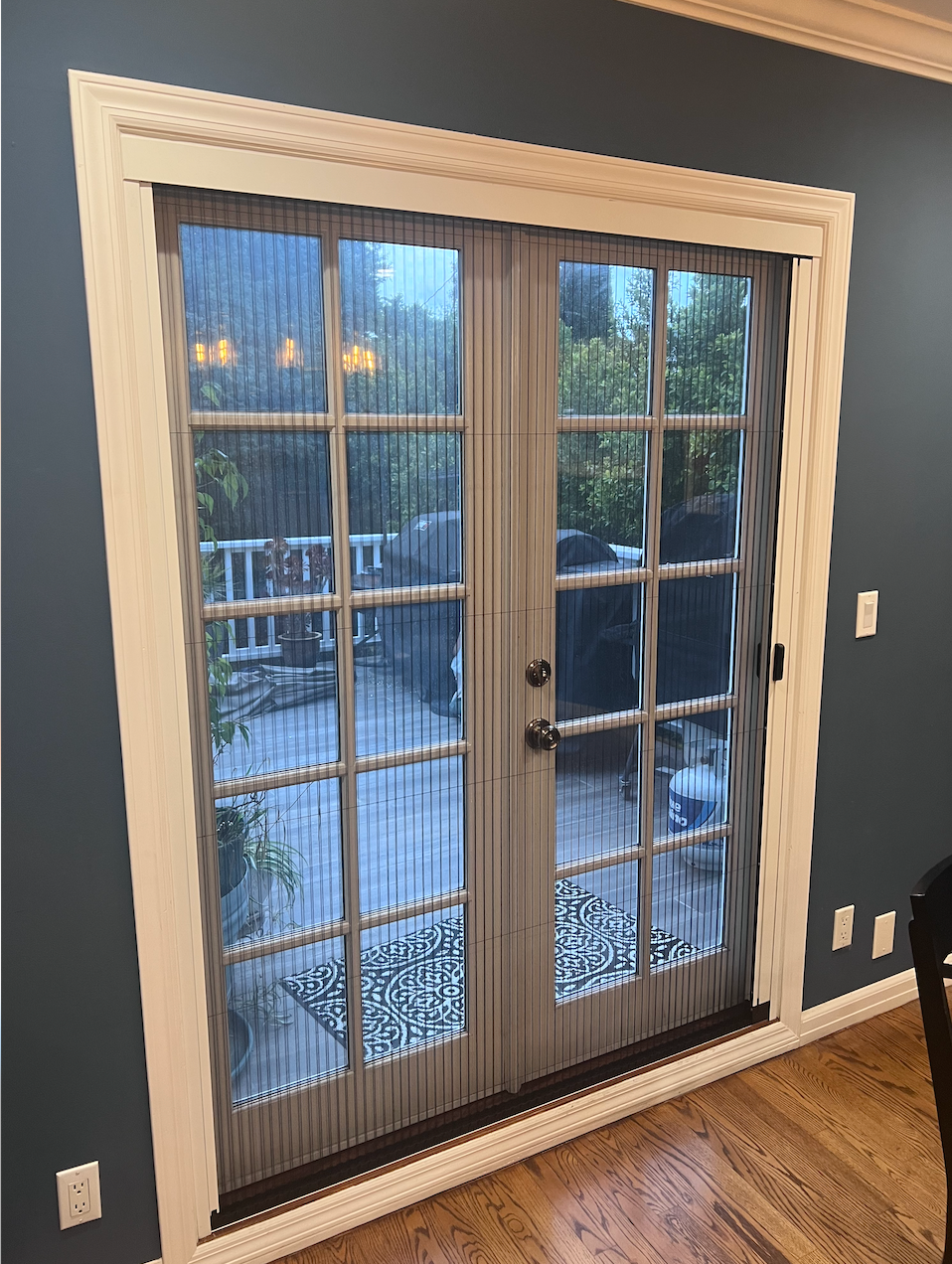
Beverly Hills homeowners are keeping their doors open all summer long. Discover how custom retractable screens make it possible.
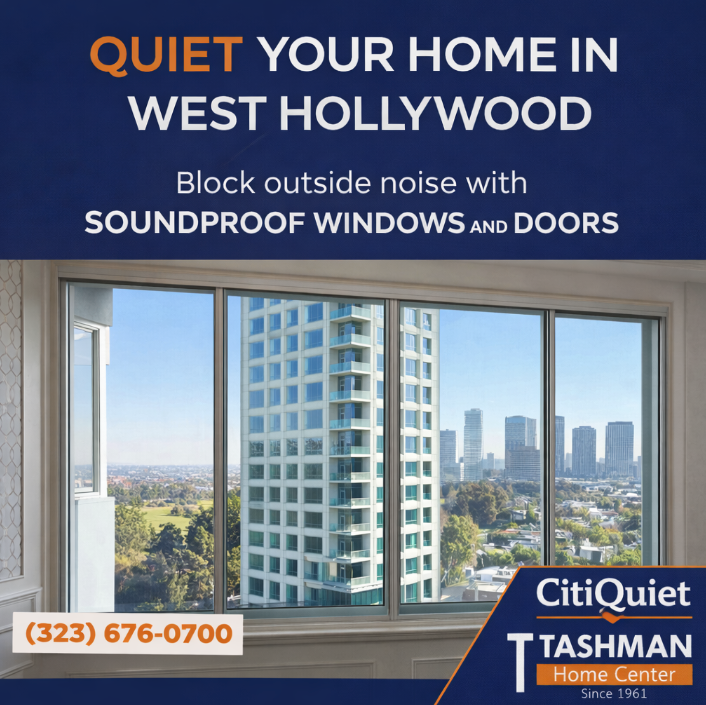
Reduce noise by up to 95% with expert soundproof window & door installations. Contact Tashman Home Center for tailored solutions today!
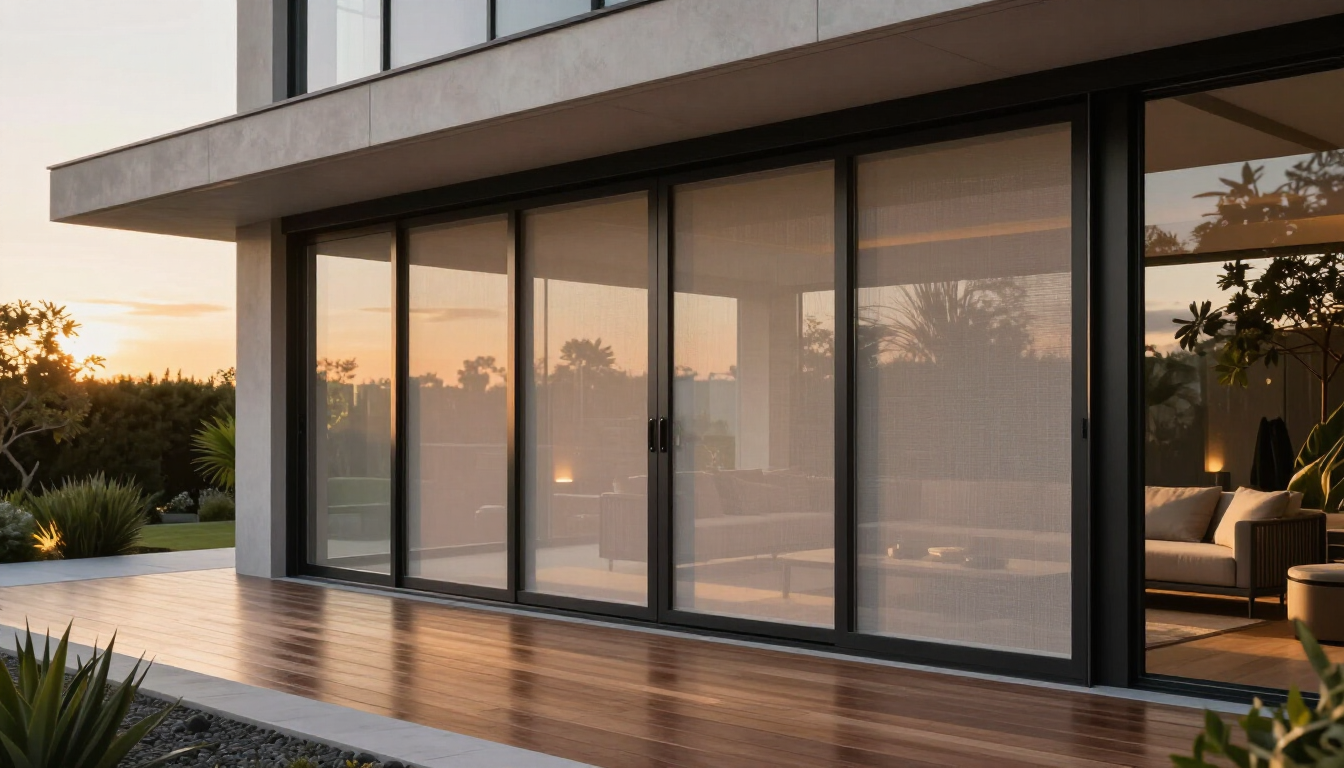
Average cost of retractable patio screens in LA. Our 2026 guide covers pricing, motorized options, and why professional installation is key
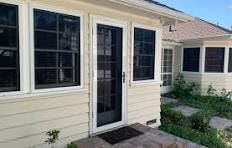
Beverly Hills security screens by Tashman Home Center. Vista stainless steel mesh screens for doors and windows.
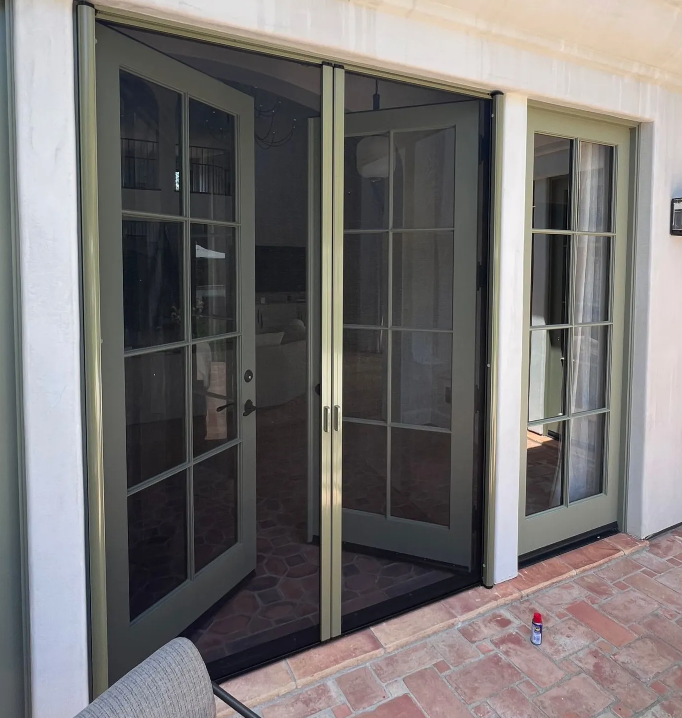
West LA homeowners enjoy summers with custom retractable screens. Contact Tashman Home Center for stylish, bug-free living solutions.
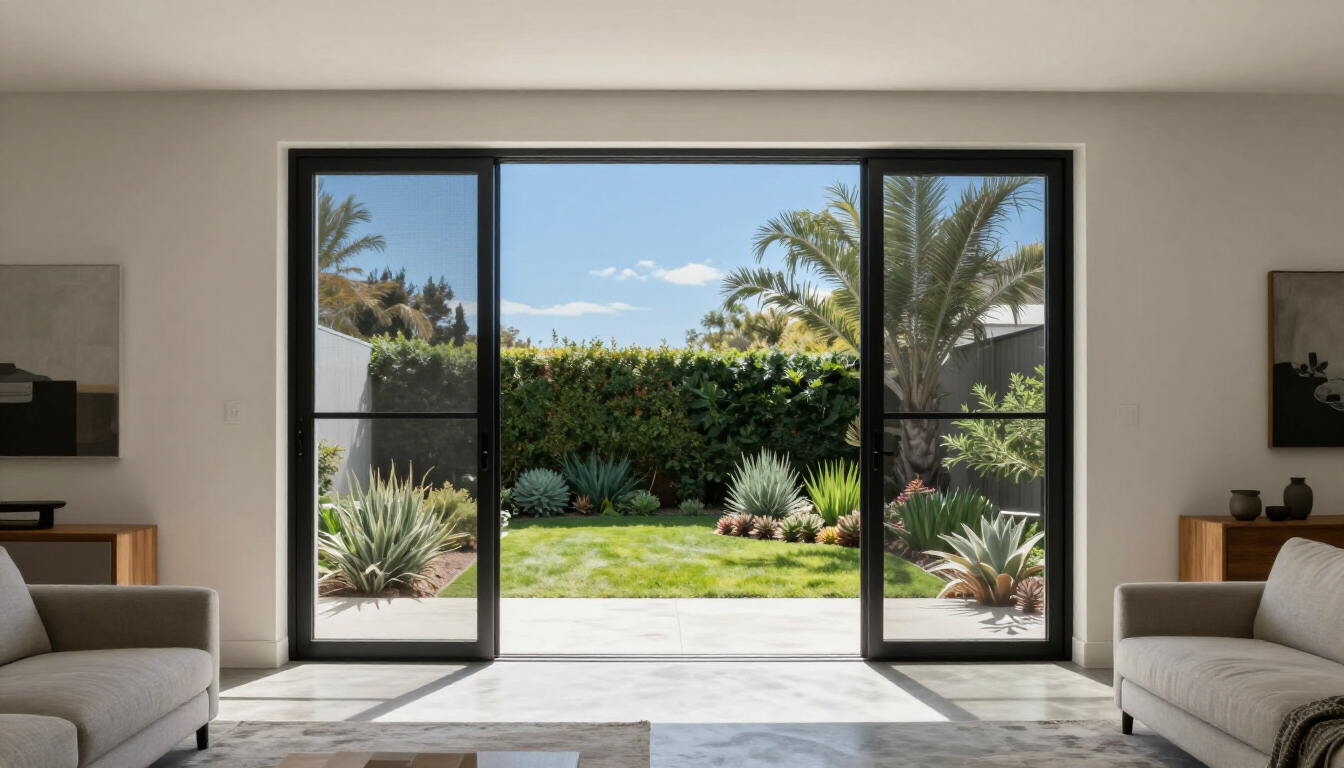
Upgrade your Los Angeles home with high-end retractable screens. Learn how to maintain unobstructed views while providing insect protection.
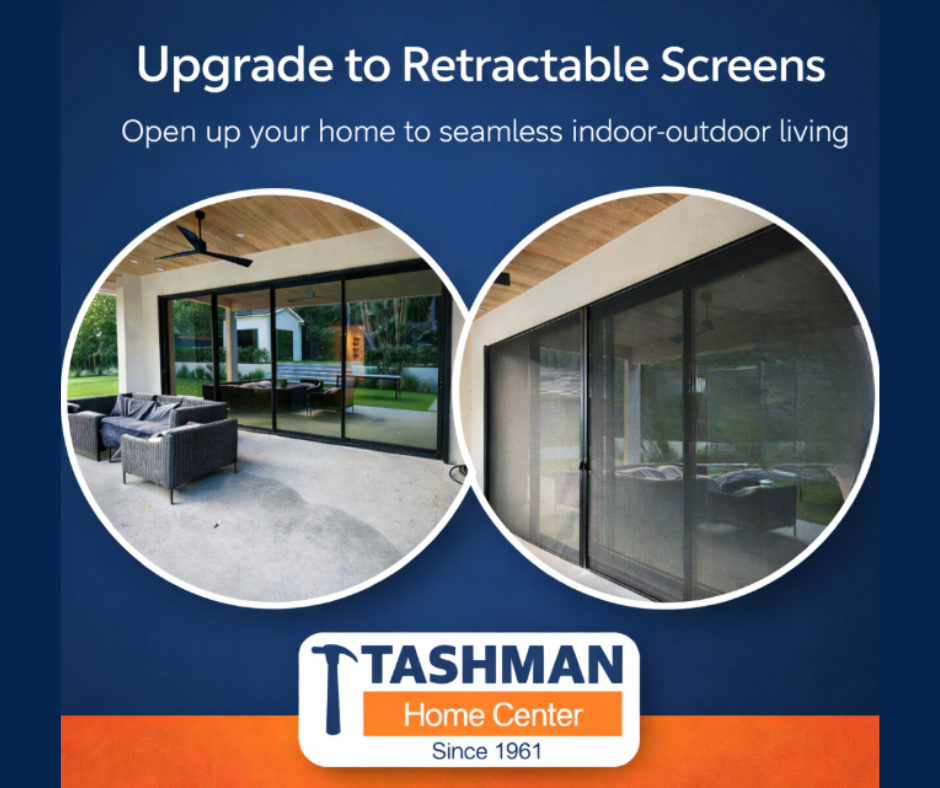
Custom retractable screens for West Hollywood and Los Angeles. In-house installation by Tashman Home Center since 1961. Beverly Hills, Brentwood, & LA.
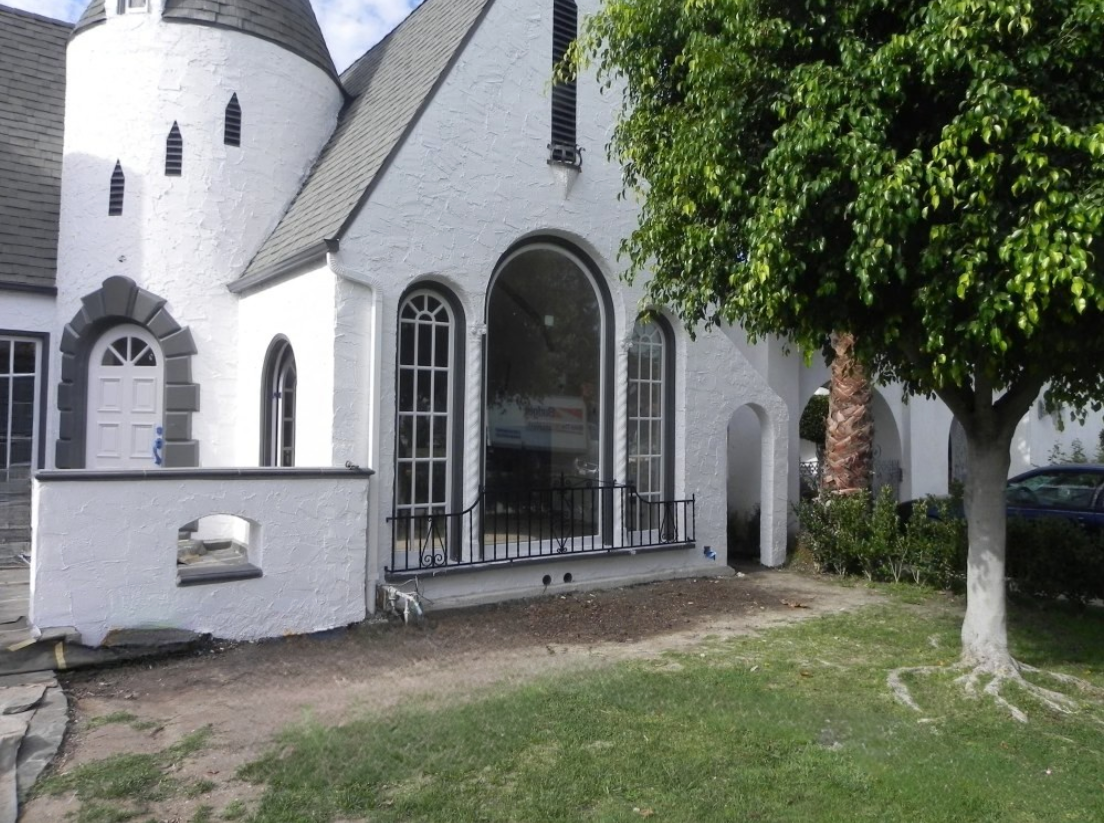
Tashman Home Center offers expert historic window replacement, ensuring compliance with HPOZ regulations. Contact us for a consultation!
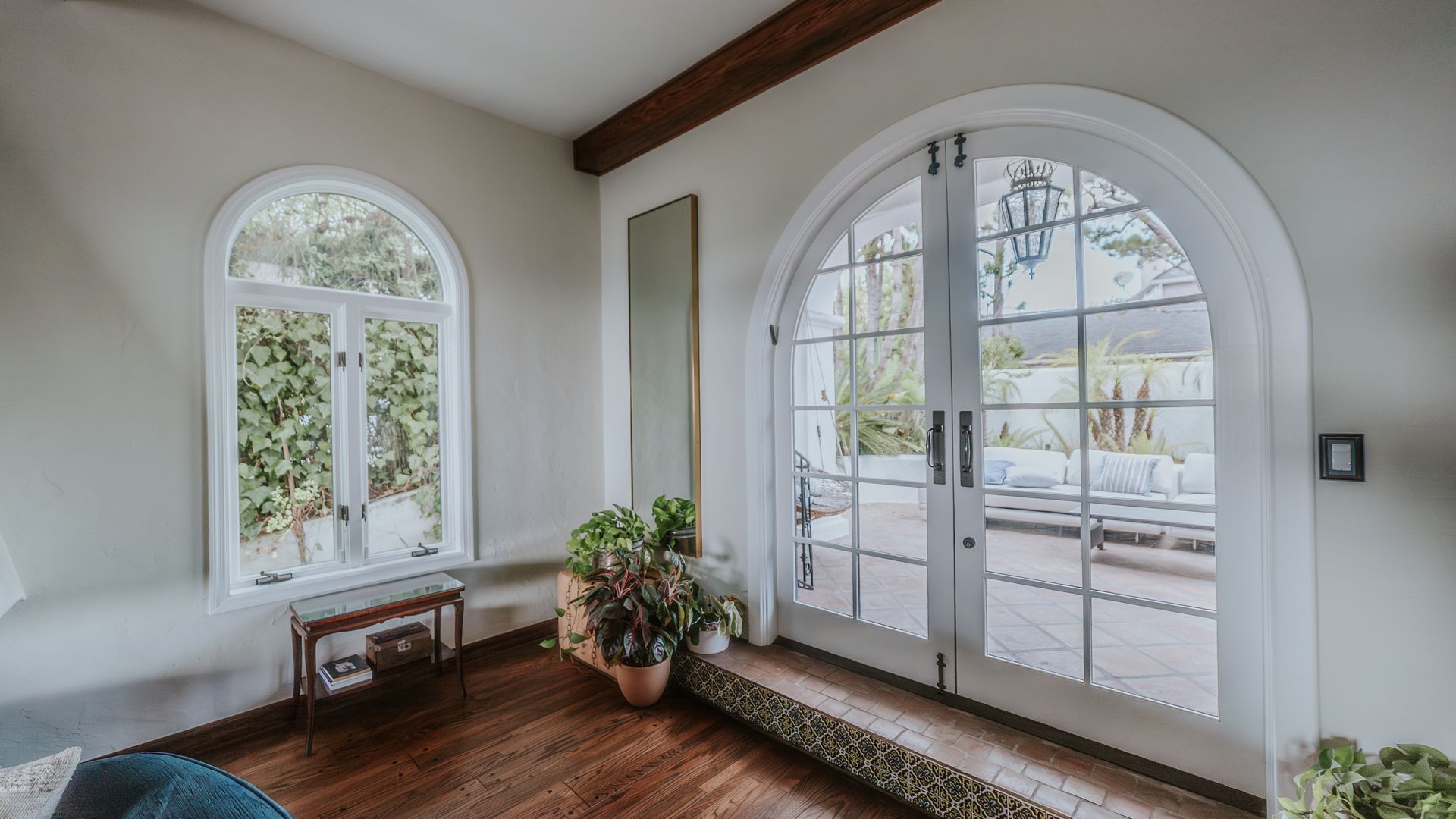
Improve your historic home's energy efficiency with custom window solutions. Contact Tashman Home Center for expert installation today!
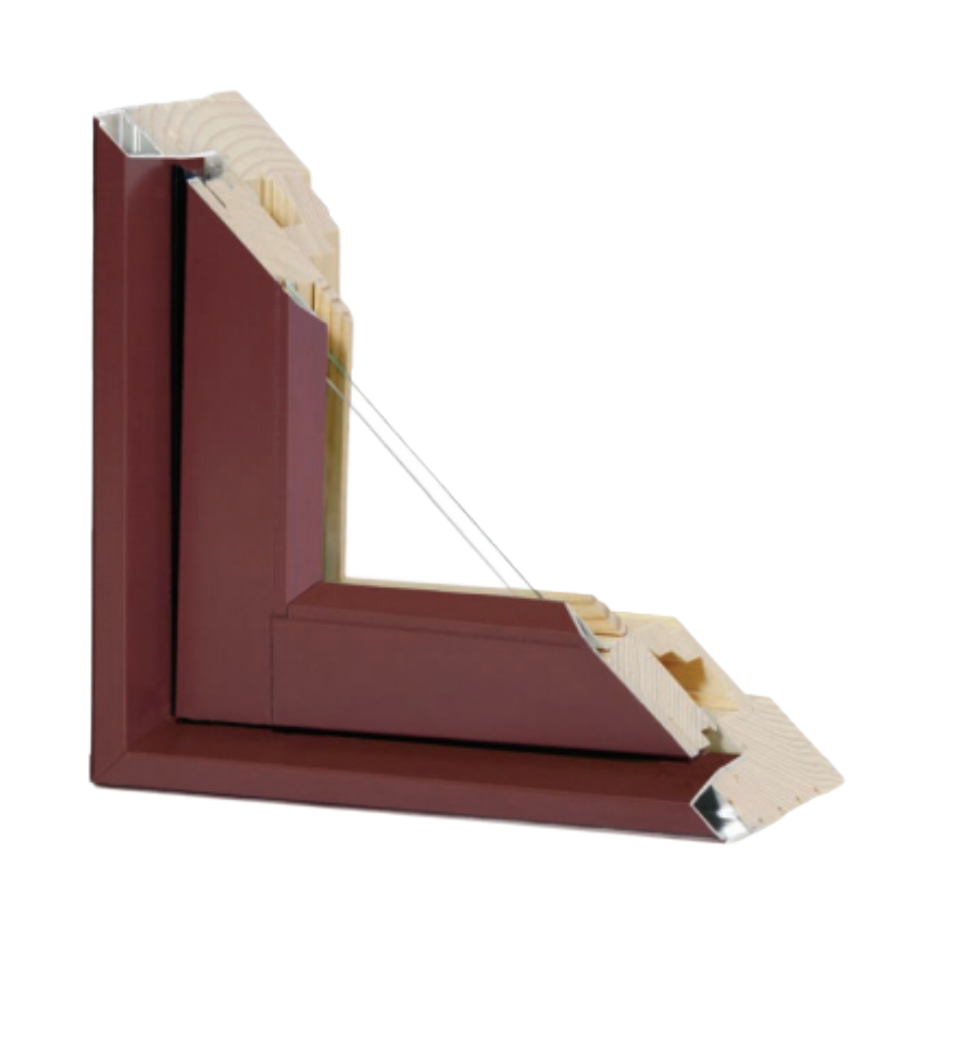
Learn how to replace historic windows in Los Angeles using wood and aluminum-clad systems that meet HPOZ guidelines.
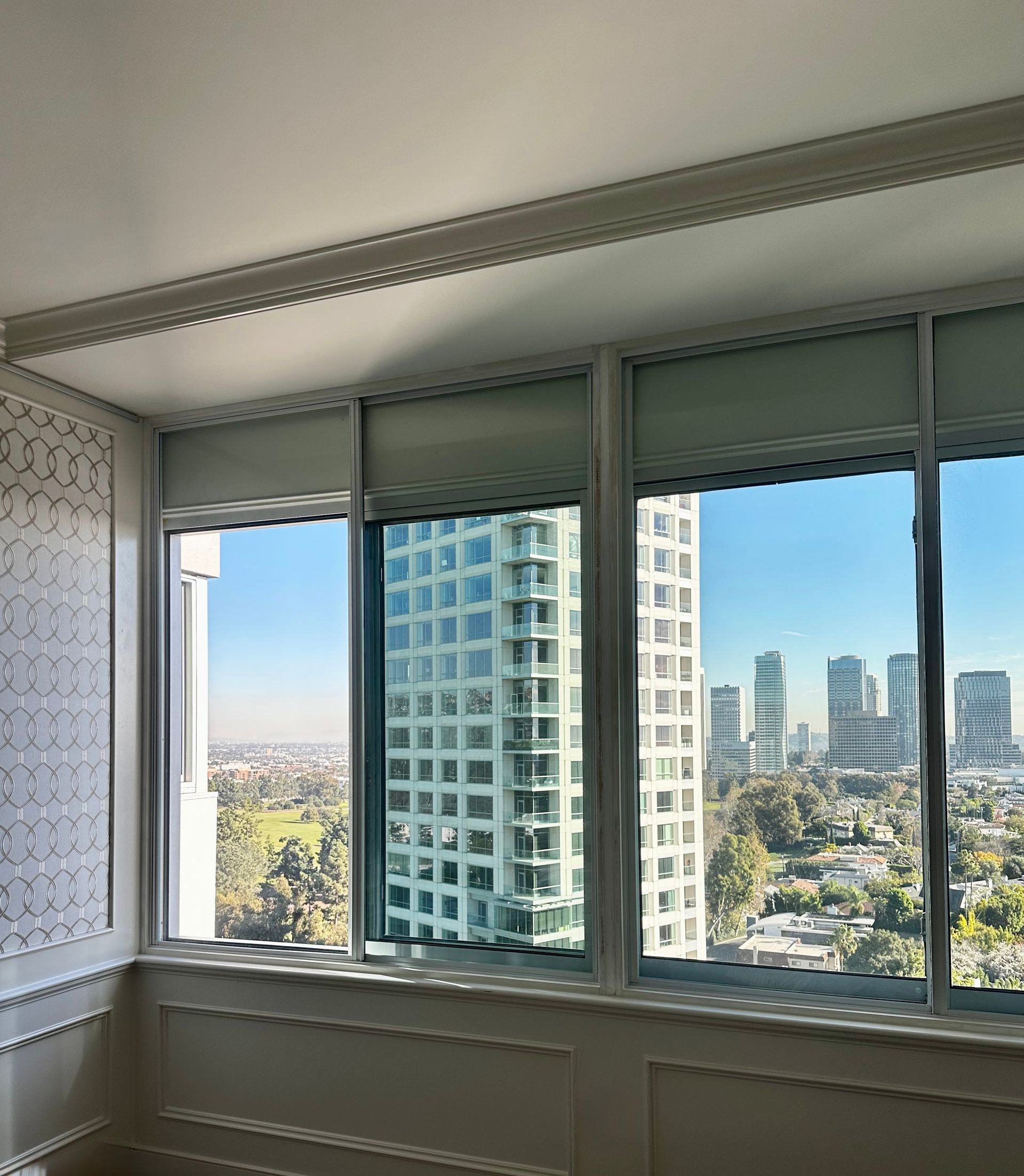
Beverly Hills homeowners are blocking LA traffic, helicopter, and street noise with CitiQuiet soundproof windows installed by Tashman Home Center.
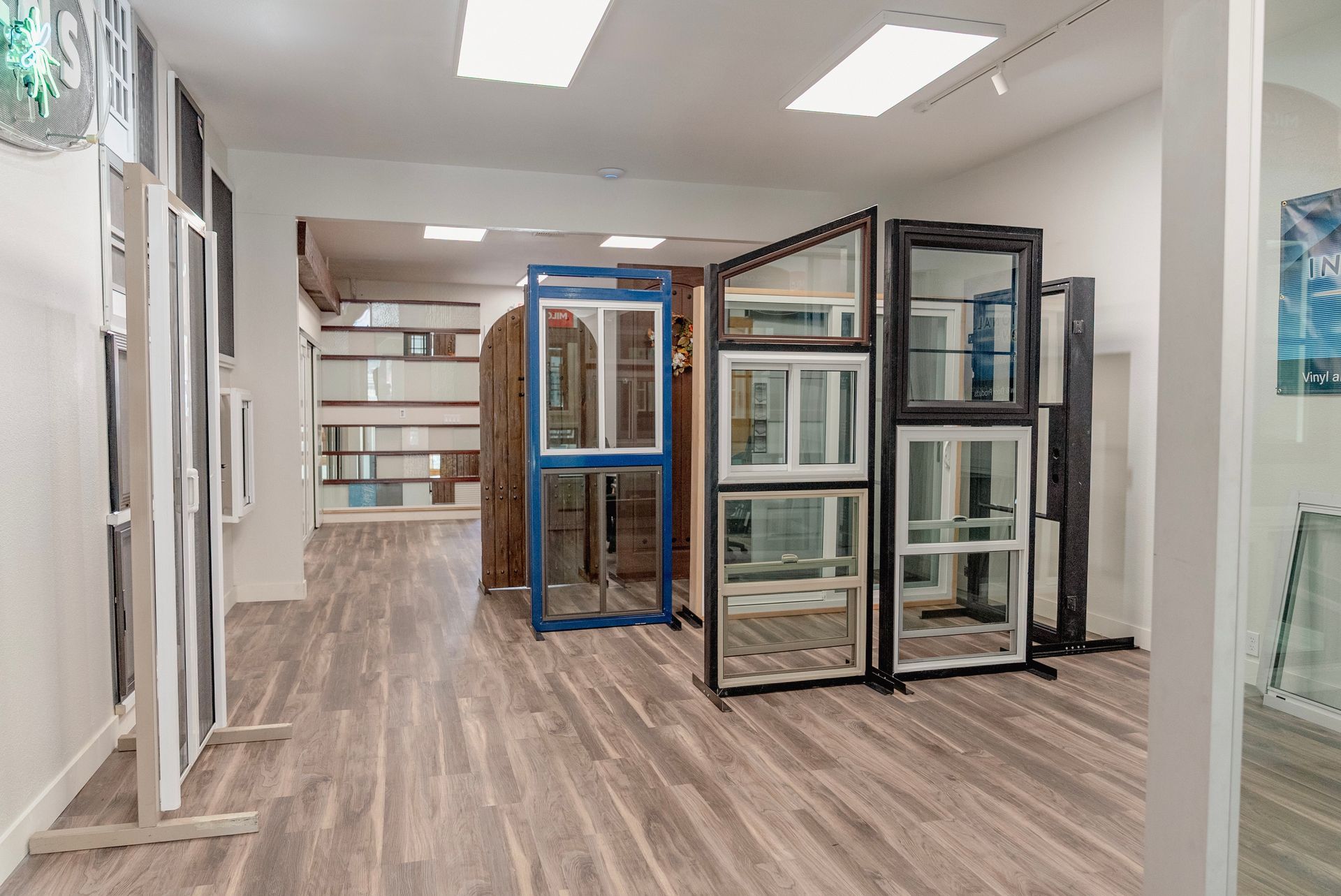
Visit Tashman Home Center's new showroom in West Hollywood for expert help on window & door choices. Experience hands-on product comparisons today!
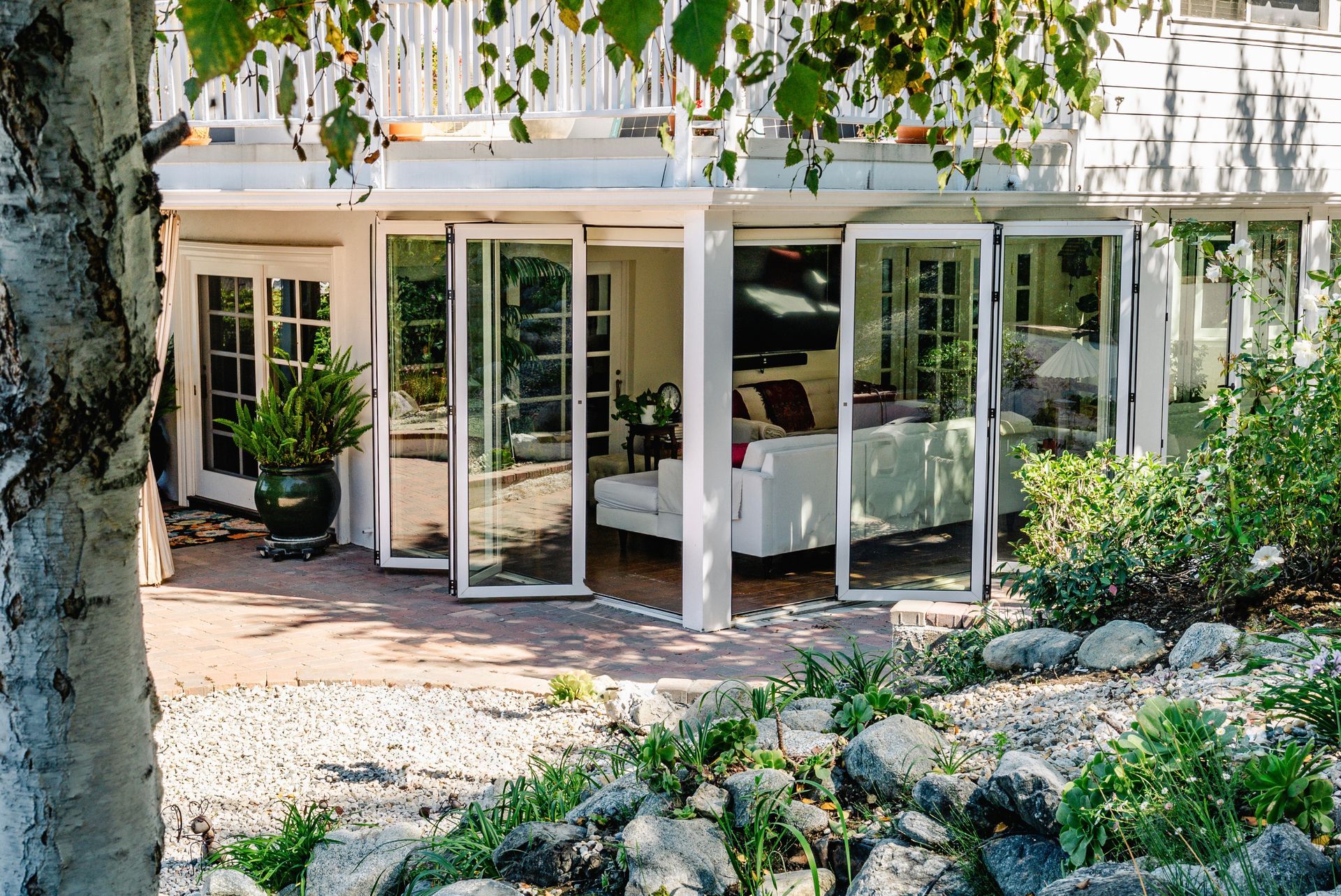
Sliding vs. Bi-Folding Doors: Which One Actually Works for YourWest HollywoodHome?
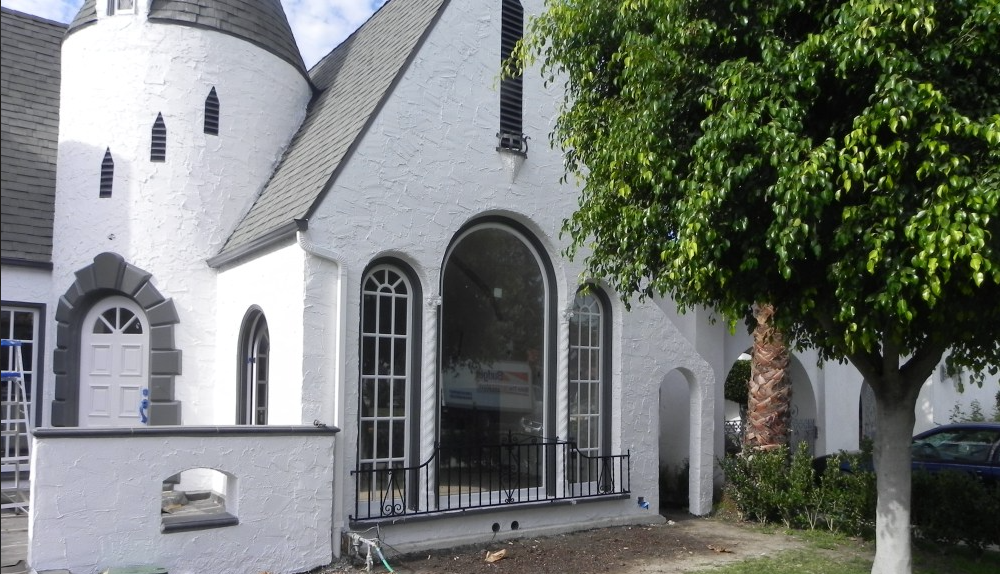
Get expert tips on HPOZ window replacement in Hancock Park. Learn what gets approved & how to avoid common rejections with Tashman Home Center.

Doors are the secret to a quieter home. Learn why West Hollywood homeowners trust Tashman Home Center for soundproof door upgrades.
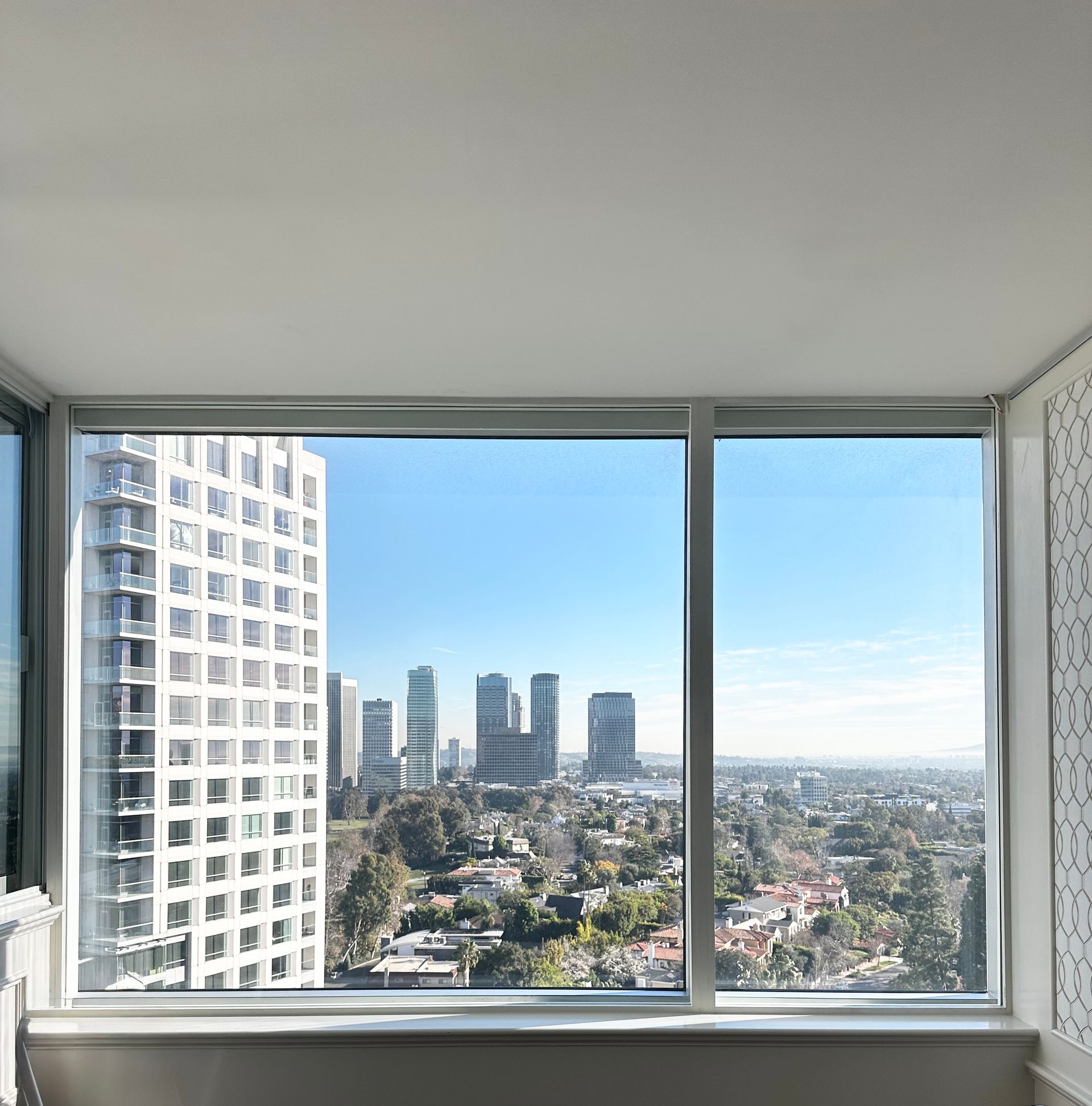
Enhance your home with soundproof windows to reduce noise. Contact Tashman Home Center for custom solutions today!
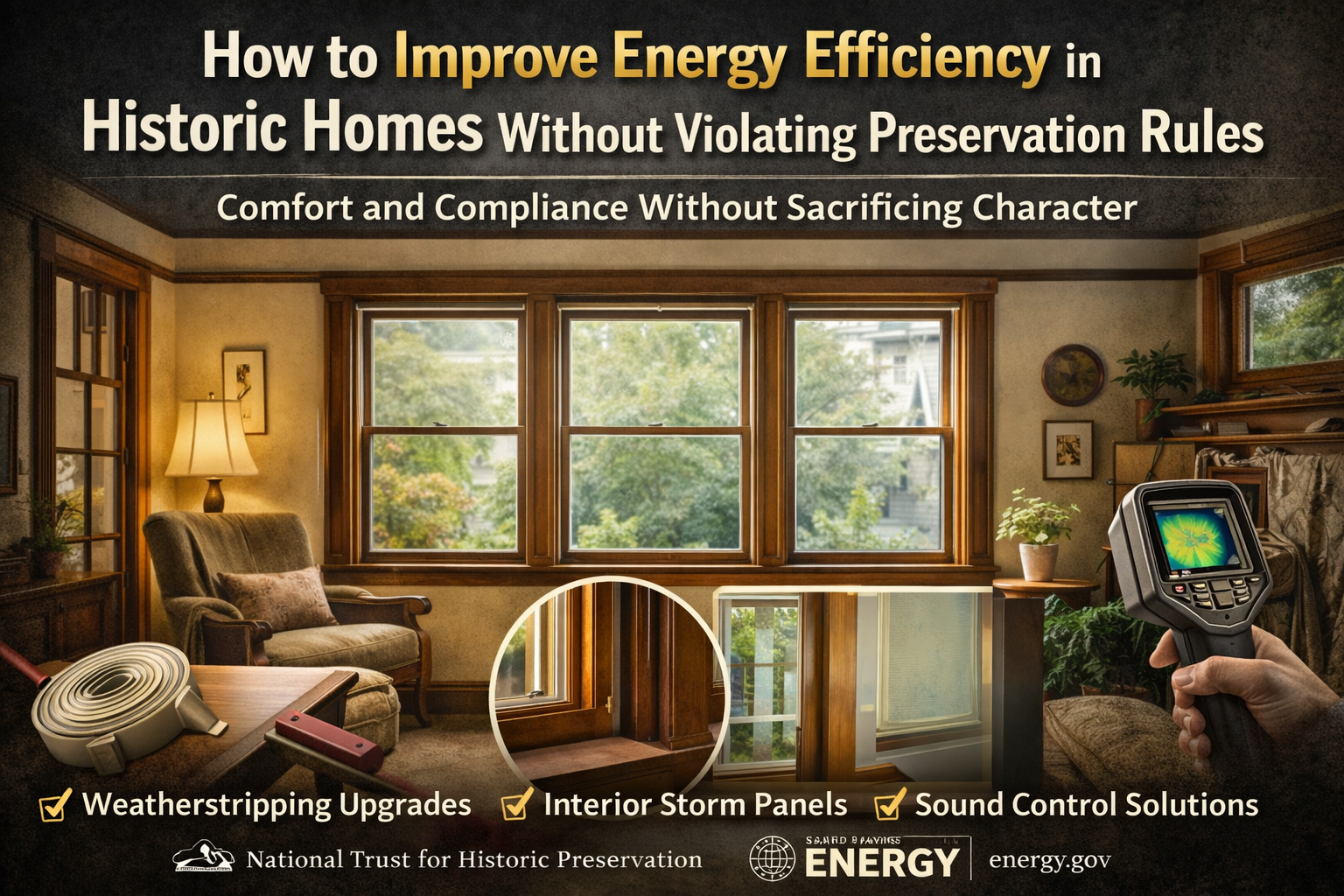
Want better comfort in a historic home? Learn energy efficiency upgrades that preservation boards allow and what changes usually get rejected.
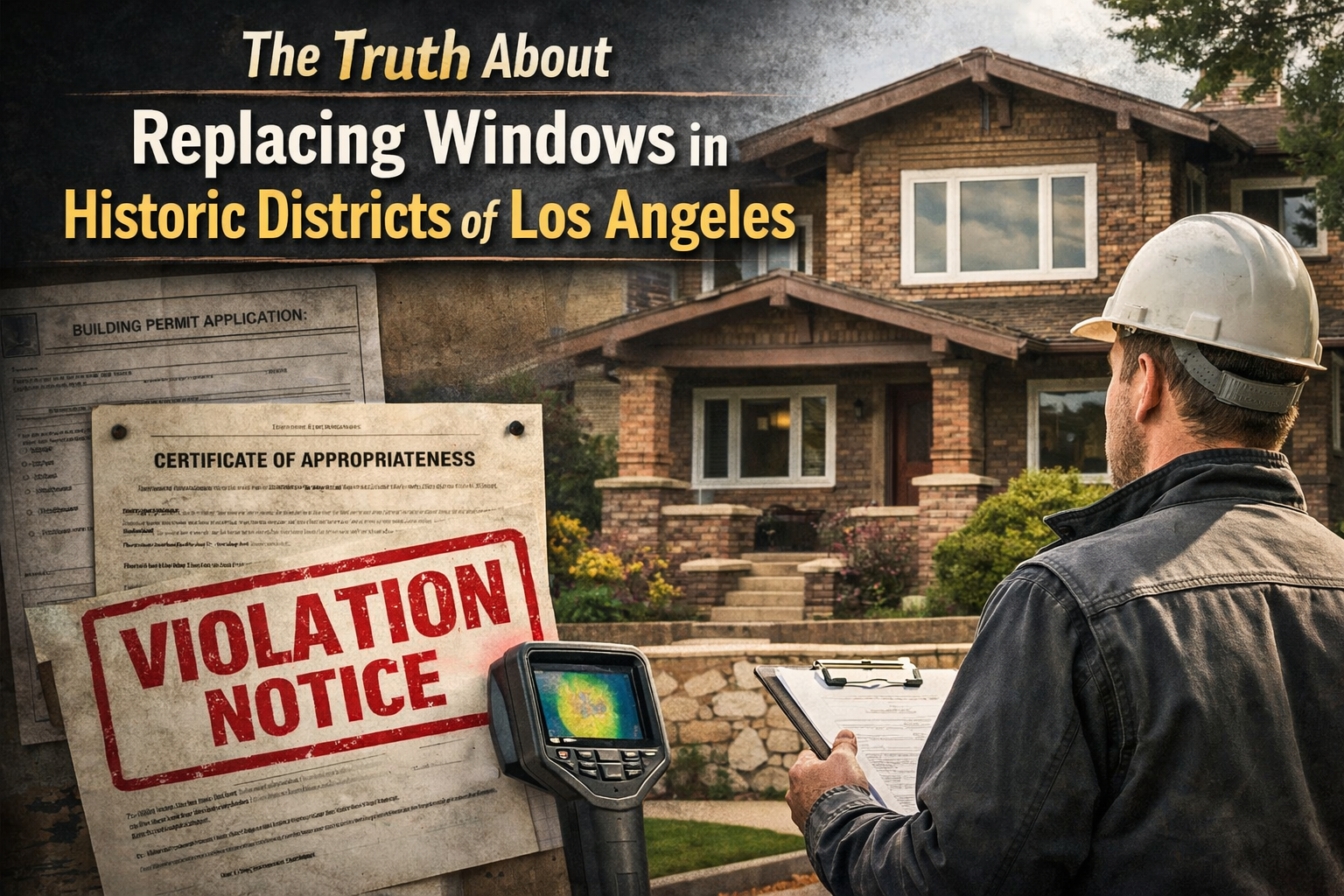
Many window replacements fail historic review in Los Angeles. Discover what preservation boards approve and how to avoid fines and forced reinstallation.
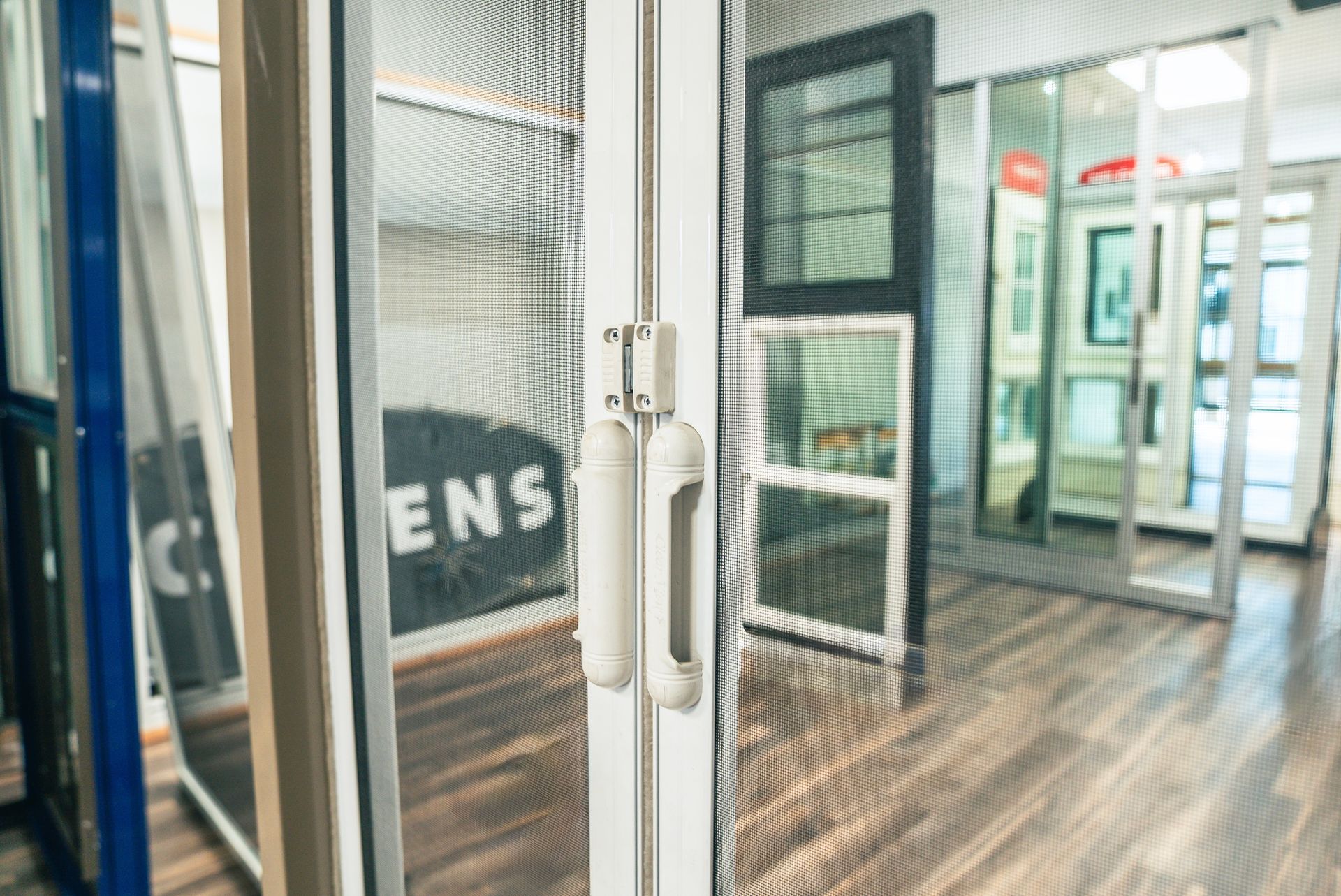
Traditional screens ruin the look. Retractable screens disappear when not in use and work beautifully in West Hollywood homes.
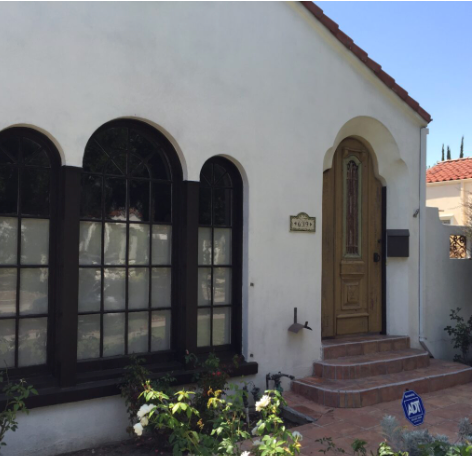
Learn when historic wood windows should be restored or replaced in Los Angeles. HPOZ compliant solutions with full permitting and turnkey service.
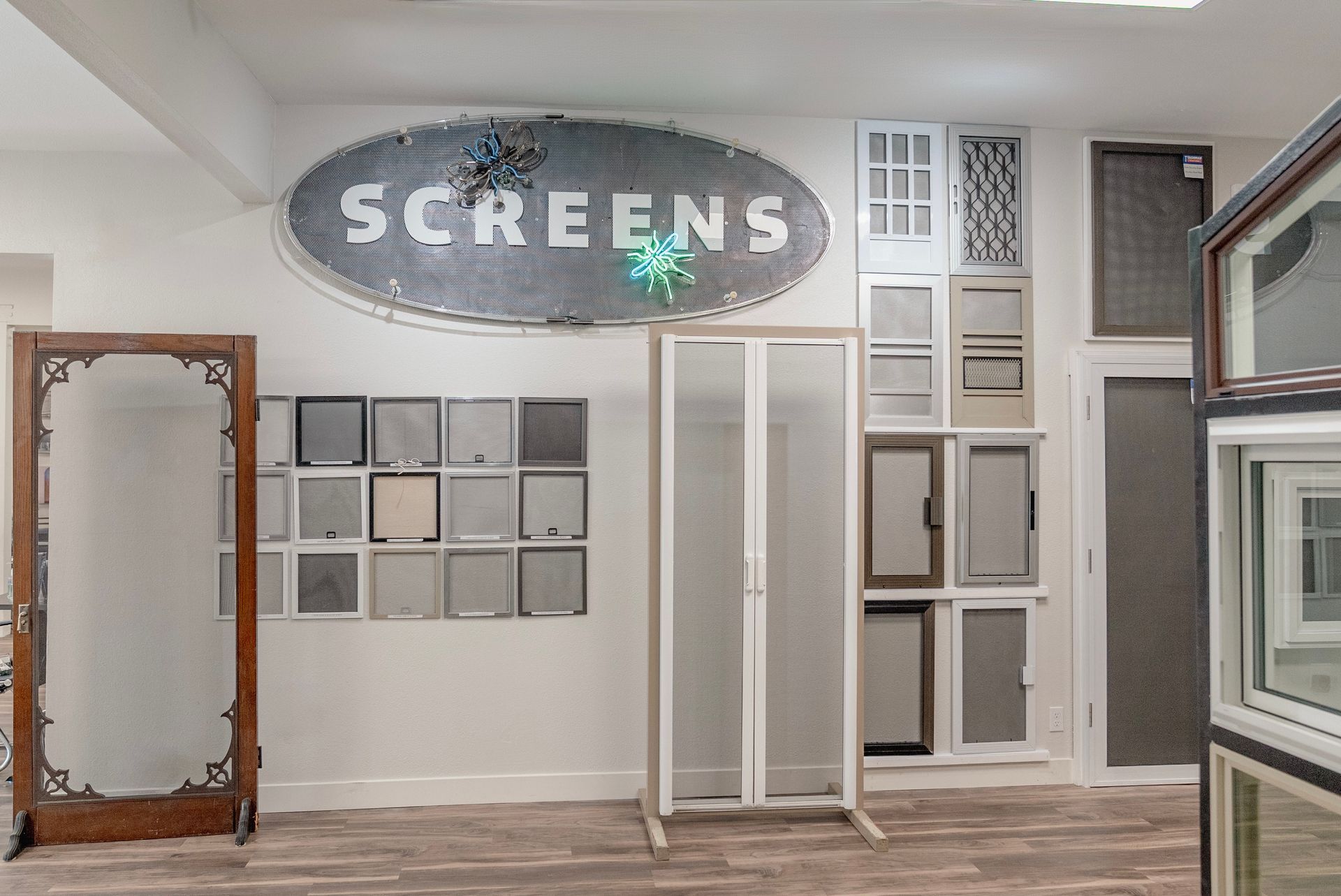
Explore Tashman Home Center's remodeled showroom with hands-on displays of windows & doors. Visit us for quality home improvement solutions!
Explore durable Plastpro fiberglass entry doors in Los Angeles. Built for strength, energy efficiency, and style. View options at Tashman Home Center.
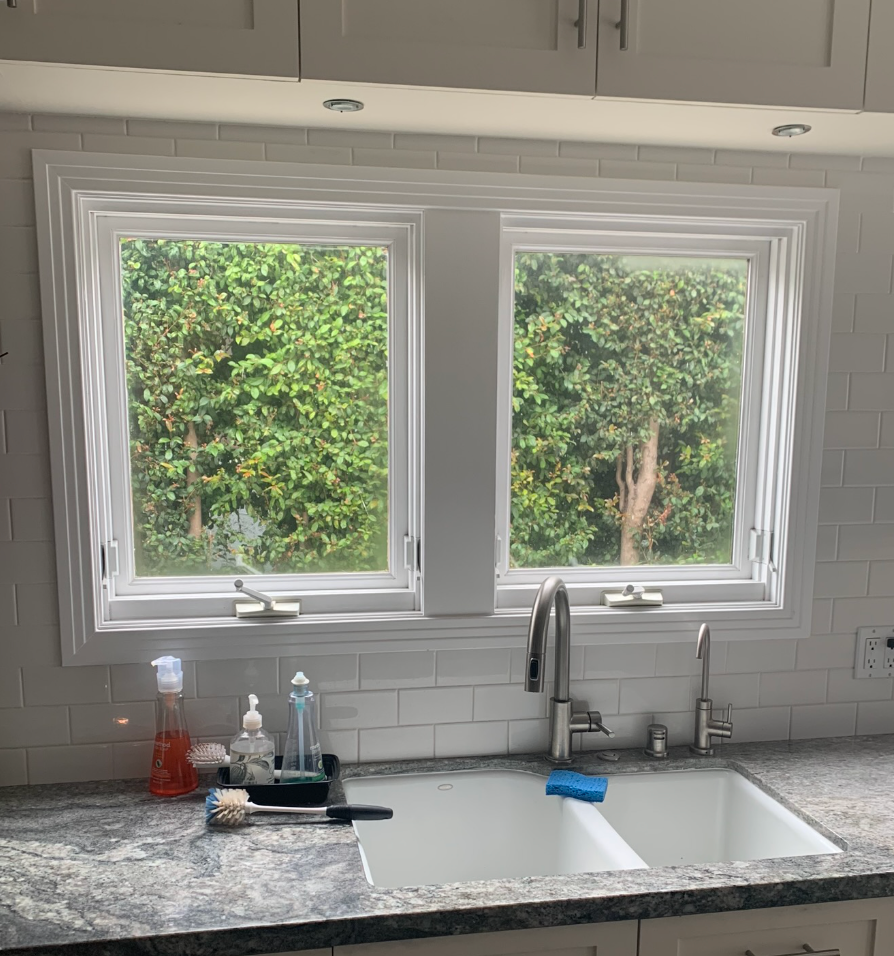
The post Window Installation: Why You Should Hire a Pro appeared first on Tashman Home Center.
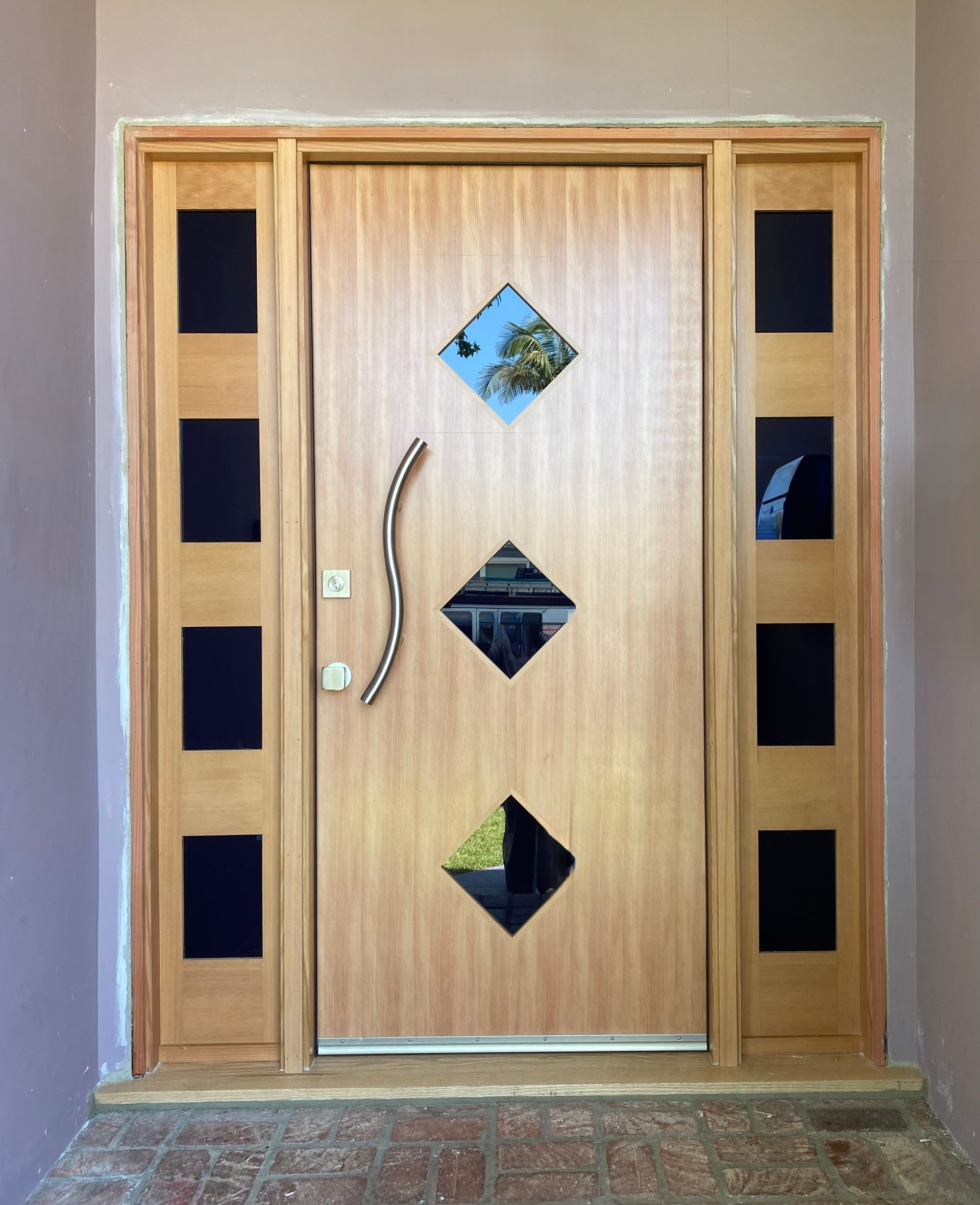
Why custom doors are a smart choice for Los Angeles homes. Discover the benefits of enhanced security, energy savings, beautiful design, and lasting value.