Solar Screens in West Hollywood: How Local Homeowners Cut Heat, Glare, and Fading Without Losing the View
Custom Fabricated and Installed by Tashman Home Center, Serving West Hollywood Since 1961.

Solar screens in West Hollywood are exterior mesh screens that block a large share of the sun before it reaches your glass, reducing heat gain, glare, and UV fading while still letting air move through the window. Most quality solar screen mesh blocks between 65 and 90 percent of the sun's energy depending on the weave. Tashman Home Center has fabricated and installed custom screens for Los Angeles homes since 1961, and our team builds every solar screen to fit your window opening exactly.
If your west-facing rooms turn into ovens by mid-afternoon, or your hardwood floors and furniture are fading in patches, the problem usually starts with the glass. Standard insect screens do nothing to stop that. Solar screens do, and they do it from the outside where it counts. This guide covers how they work, what they cost, how they compare to window tint, and what West Hollywood homeowners should know before choosing a solar screen installation for their home.
What Are Solar Screens and How Do They Work
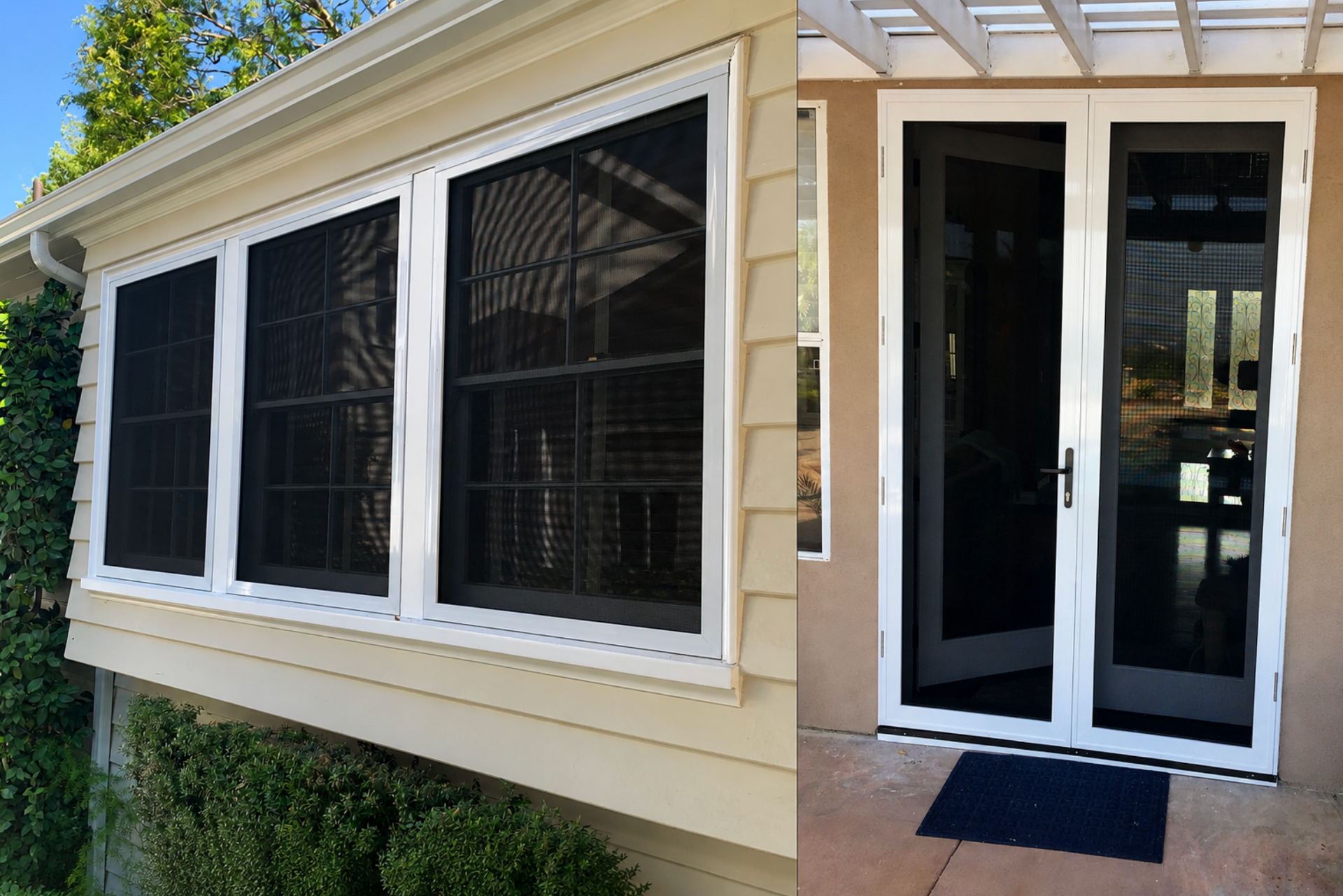
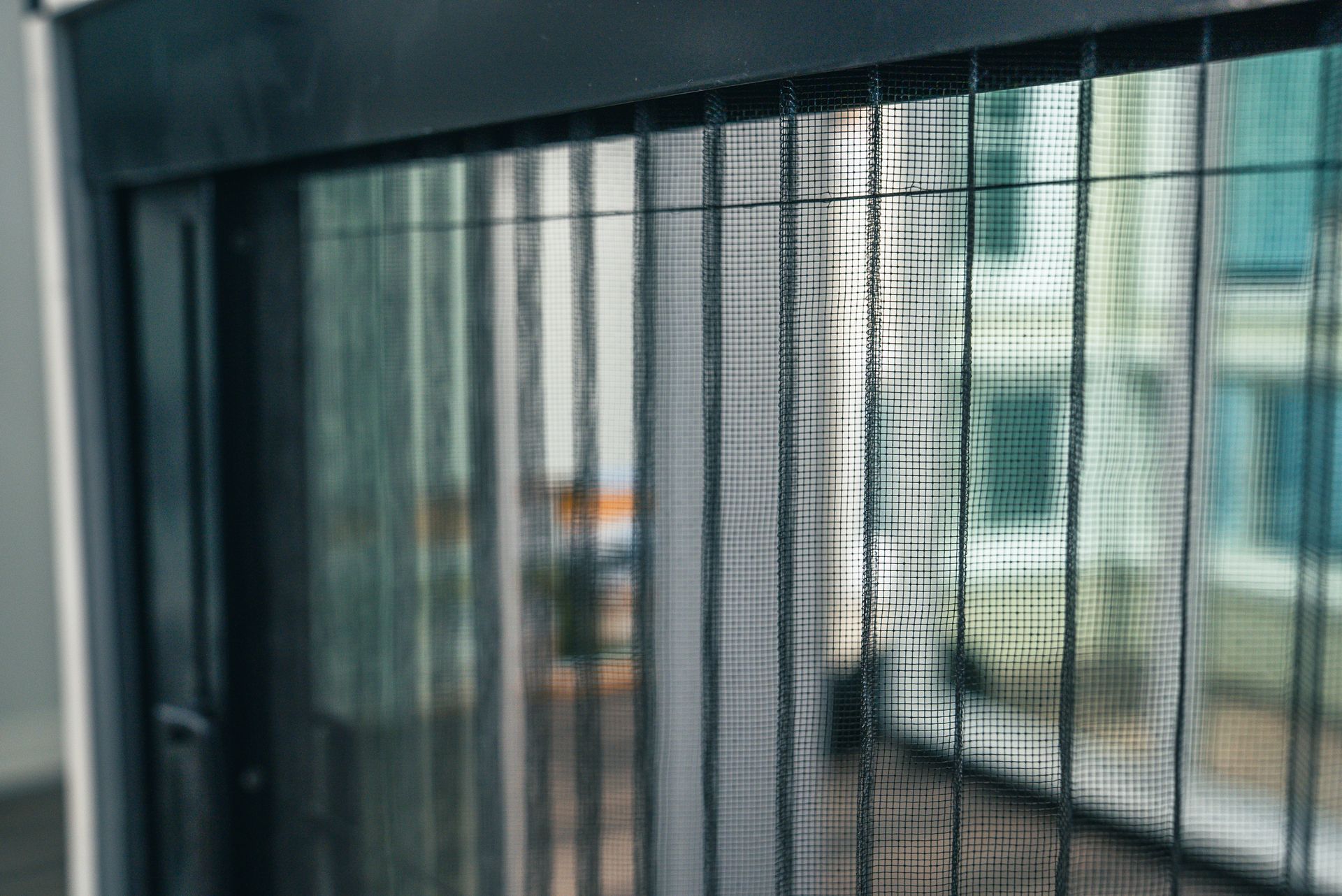
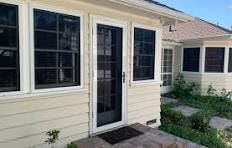
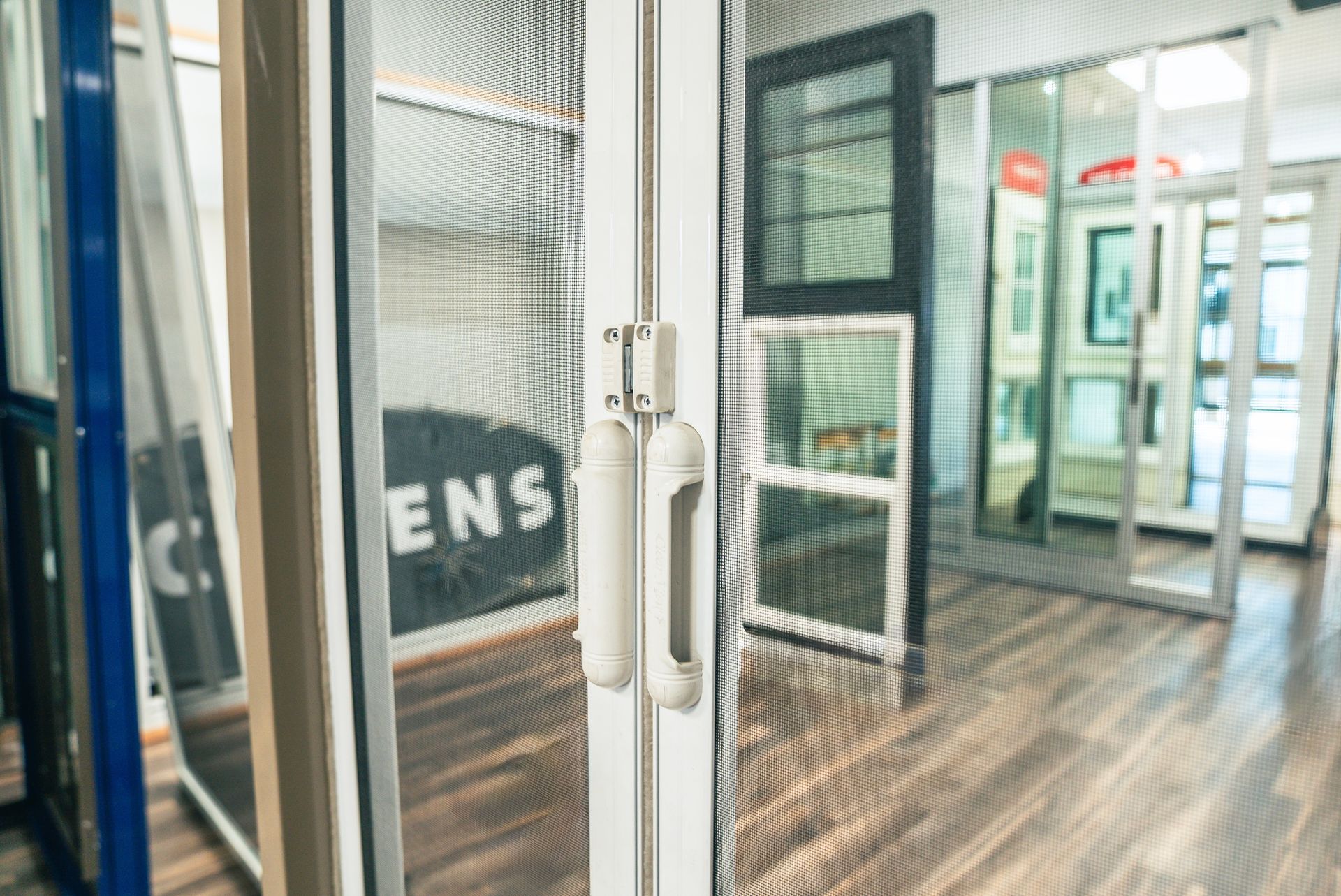
A solar screen looks similar to a regular window screen at first glance, but the mesh is denser, heavier, and engineered to block sunlight rather than just insects. The screen mounts on the exterior of the window, which is the key detail. By blocking the sun's rays before they reach the glass, a solar screen keeps the window from heating up and radiating warmth into the room.
This is different from how a standard screen behaves. Regular fiberglass or aluminum insect screens let almost all sunlight pass straight through to the glass. Solar screen mesh is woven tightly enough to intercept a large portion of light, heat, and ultraviolet rays. The tighter the weave, the more it blocks.
Solar screen fabric is rated by how much sun it blocks, and you will see this described as an openness factor or a block percentage. A denser mesh that blocks 90 percent of the sun gives you the most heat and UV protection, but it also darkens the room and slightly reduces your outward view. A more open weave lets in more light and preserves a clearer view while still cutting a meaningful amount of heat. Choosing the right balance for each room is part of what makes a professional custom window screen installation worth the investment.
The Main Benefits for Los Angeles Homes
Solar screens solve several problems at once, which is a big part of why they have become popular across West Hollywood, Beverly Hills, Hancock Park, and the wider West Los Angeles area. Here is what they deliver.
- Solar screens reduce heat gain by blocking sunlight before it enters, keeping rooms cooler and reducing the load on your air conditioner during long LA summers.
- Solar screens block up to 90 percent of harmful UV rays, protecting hardwood floors, rugs, artwork, and upholstery from fading caused by direct sun over time.
- Solar screens reduce glare on televisions, computer screens, and other reflective surfaces, making bright rooms far more comfortable to use during the day.
- Solar screens provide daytime privacy, since you can see out clearly while people outside see a darkened surface rather than into your home.
- Solar screens still allow airflow, so you can keep windows open for fresh air without sacrificing sun protection.
Solar Screens vs Window Tint: Which Is Better for Heat
This is one of the most common questions homeowners ask, and the honest answer depends on your goals. Both solar screens and window tint reduce heat and UV exposure, but they work in fundamentally different places.
Window tint is a film applied to the inside surface of the glass. It reflects and absorbs solar energy at the glass itself. The catch is that the sunlight has already passed through the window before the tint takes effect, so some of that heat is already inside, radiating into the room.
Solar screens sit on the outside of the window. They stop the sun before it ever touches the glass, which is the most effective way to prevent heat from entering a home. For pure heat reduction in a hot, sun-exposed climate like Los Angeles, exterior solar screens generally have the edge because they completely shade the glass.
Here is how the two stack up. Solar screens sit on the exterior of the window, while window tint is applied to the interior surface of the glass. Solar screens block the sun before it hits the glass, whereas tint only works after the sun has already passed through. On UV protection, solar screens block up to 90 percent, while tint can block up to 99 percent. Solar screens slightly darken the view but preserve it, and tint keeps a very clear, near full view. Solar screens still allow airflow through an open window and can be taken down seasonally, while tint has no effect on airflow and stays permanent until it is replaced. In short, solar screens are the better choice for maximum heat reduction and airflow, and tint is the better choice when clear views and glare control matter most.
Some homeowners even combine both for maximum results on the hardest-hit windows. For most West Hollywood homes fighting afternoon heat, solar screens on the south- and west-facing windows deliver the biggest comfort improvement for the money. If your priority is soundproofing rather than sun, that is a different upgrade path, and our soundproof window solutions address noise reduction specifically, not heat.
How Much Do Solar Screens Cost in West Hollywood
Solar screen pricing depends on window size, mesh quality, frame material, and your choice of fixed panels or a retractable system. For planning purposes, here are the general ranges homeowners can expect.
- Standard fixed solar screens usually run $50 to $150 per window installed, using basic mesh on common window sizes.
- Mid-range solar screens typically cost $150 to $300 per window, offering higher UV protection and more color options.
- Premium or custom solar screens can cost $300 to $600 per window, offering top performance, custom sizing, and specialty colors.
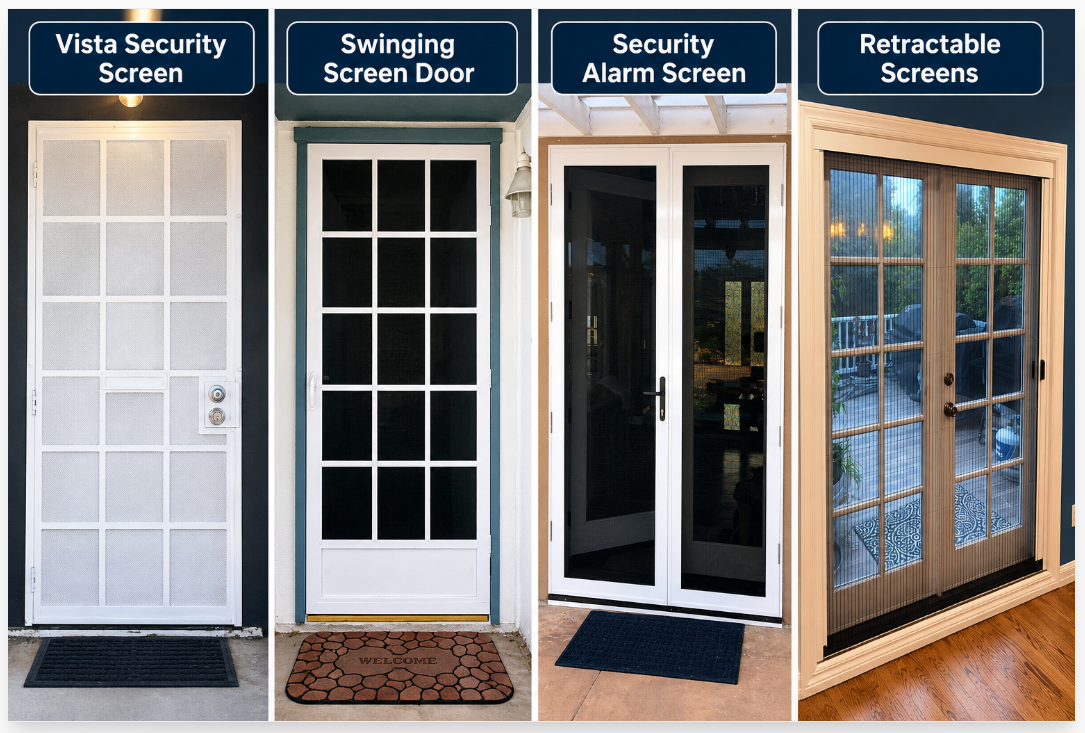
- Retractable solar screen systems start around $1,000 and go up from there, with motorized options available.
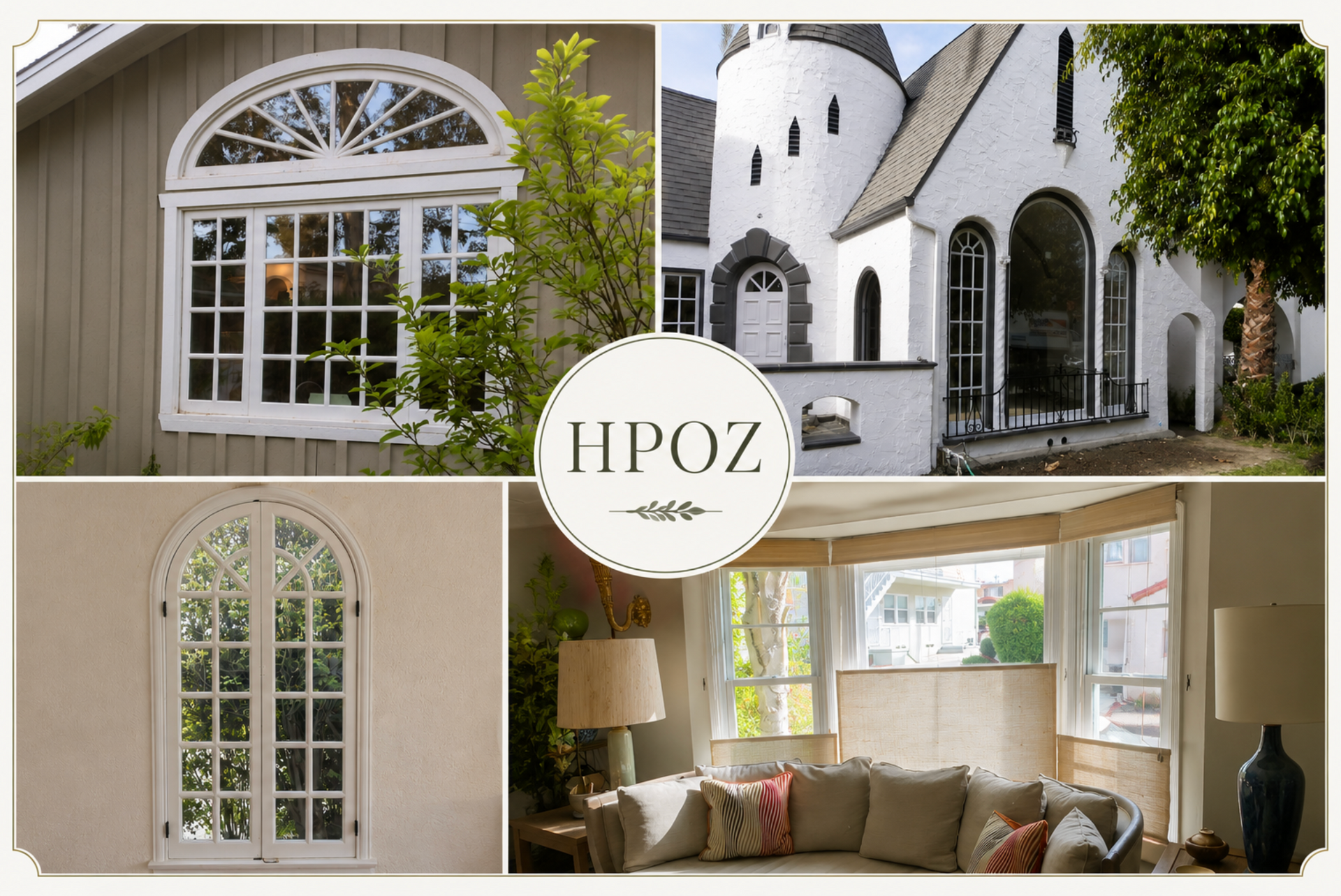
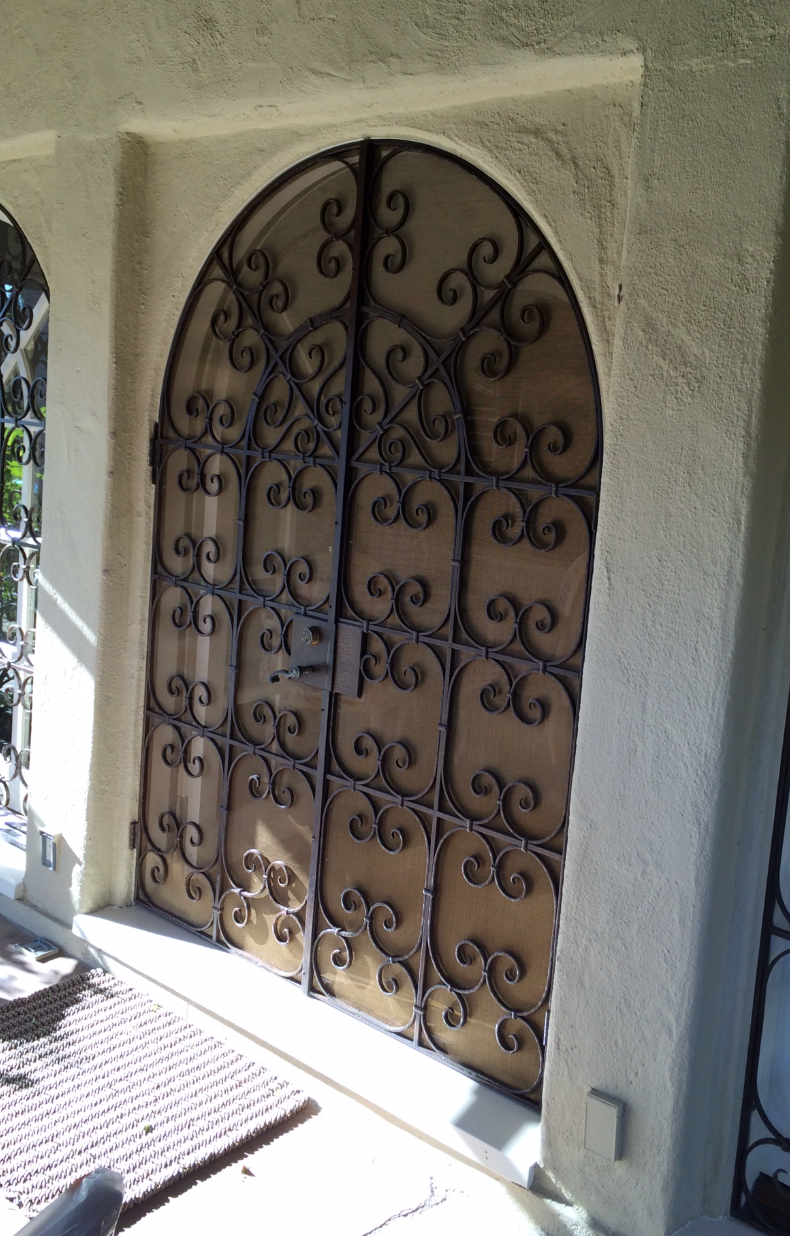
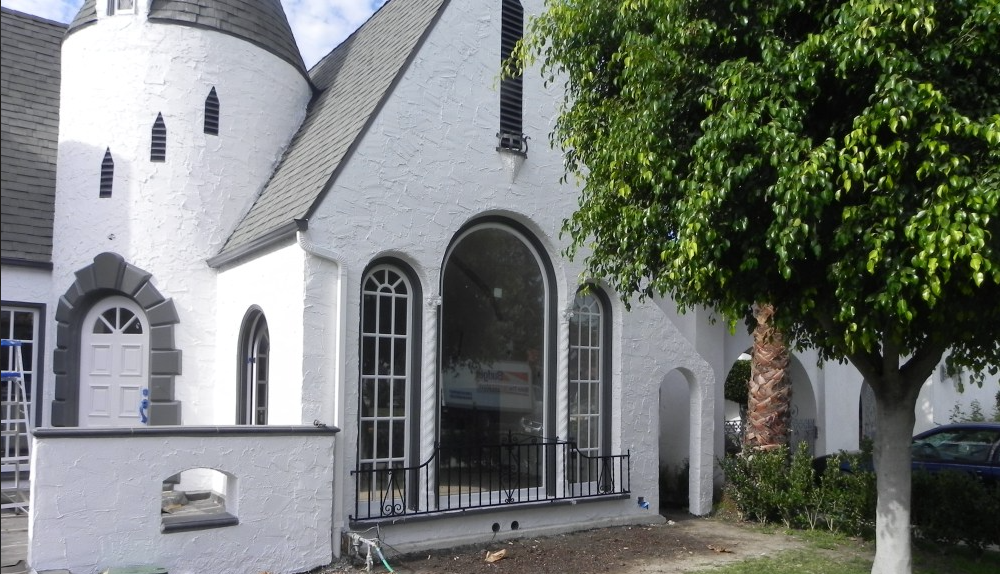
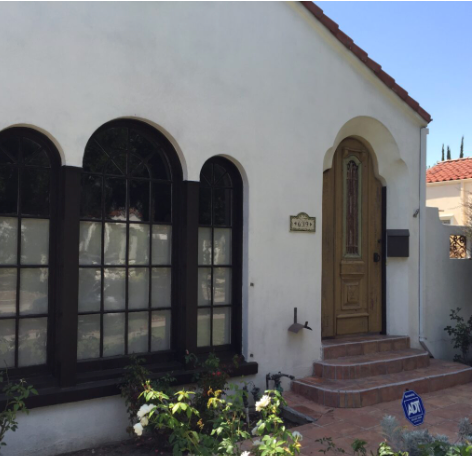
Several factors move the price within these ranges. Larger windows need more material and sometimes reinforced framing. Second-story and hard-to-reach windows add labor. Arched, bay, and other non-rectangular openings require fabricated screens built to shape, which increases both cost and lead time. The mesh density matters too, since a finer high-blockage weave costs more than a basic screen.
The value question is worth addressing directly. Solar screens are one of the most affordable ways to cut cooling costs in a sun-exposed home. In hot, dry climates, they can reduce cooling costs meaningfully by keeping rooms cooler and easing the strain on your air conditioning. Over several summers, those energy savings help offset the upfront cost, and the UV protection quietly saves your floors and furnishings from expensive fading. When you are ready to see real numbers for your specific windows, a free solar screen estimate from a local installer is the fastest way to know what your project will run.
Why Custom Solar Screens Beat Big Box Store Options
You can buy a generic solar screen kit at a hardware chain, but there is a reason experienced homeowners in Beverly Hills and Hancock Park go custom. A screen that is not built to the exact opening of your window leaves gaps at the edges. Those gaps let heat, dust, and bugs slip through, which defeats the purpose. Thin factory frames also bend and sag over time, and the finishes rarely match the character of a well-kept home.
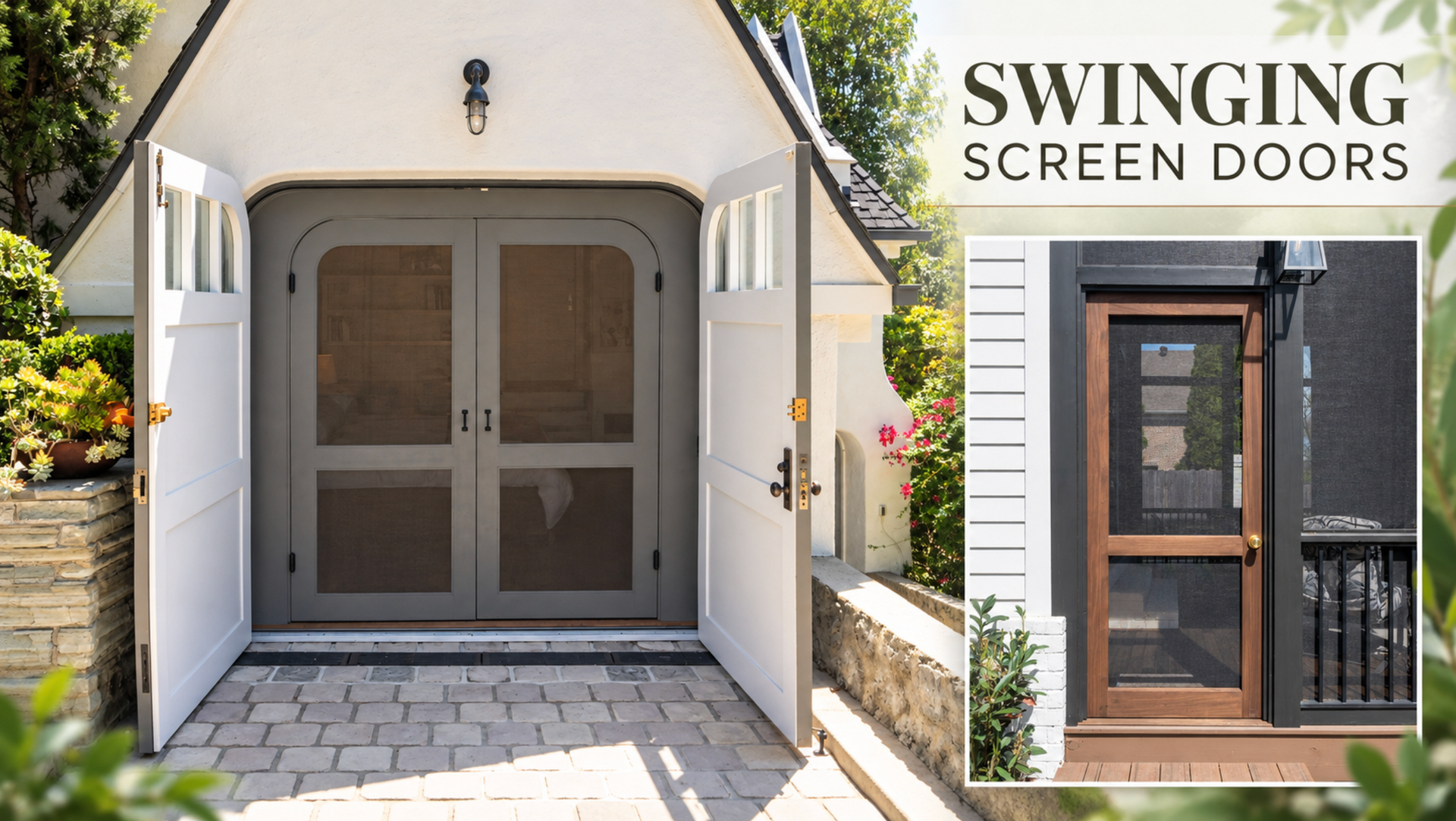
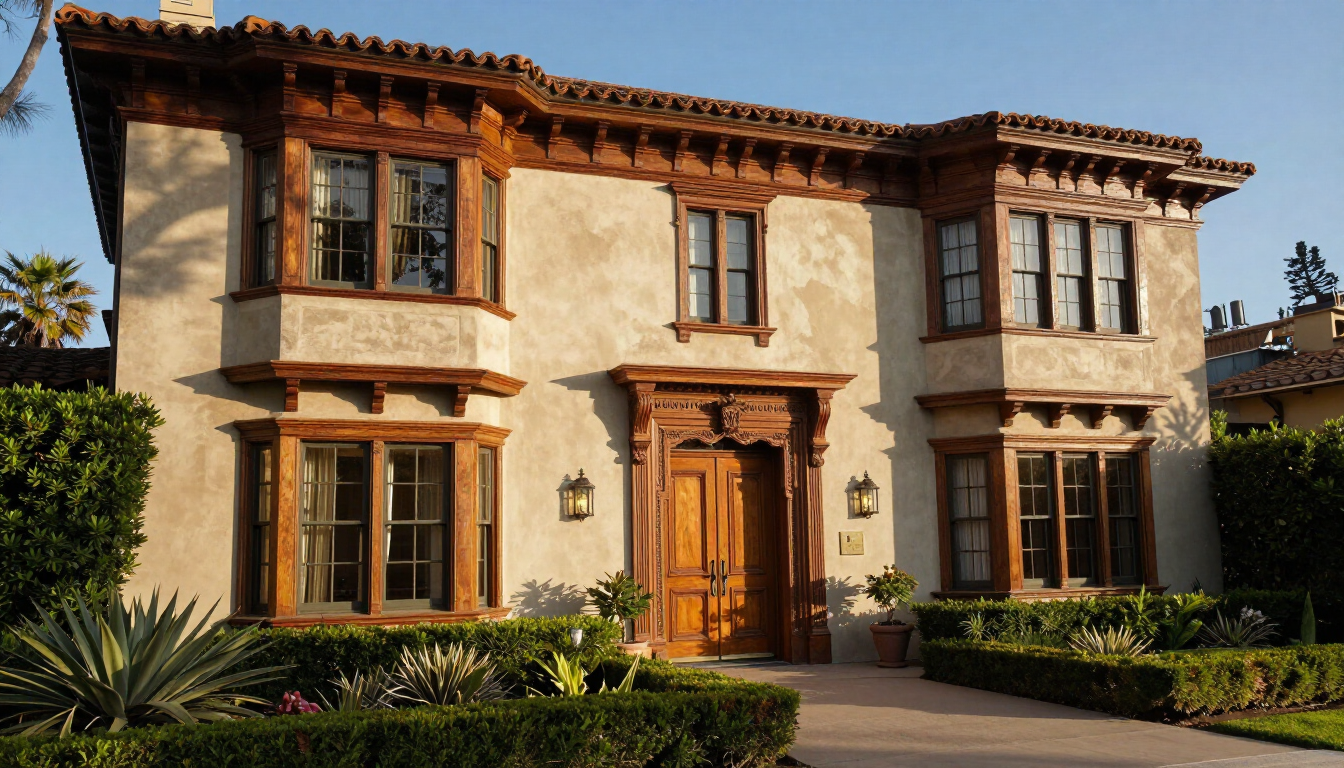
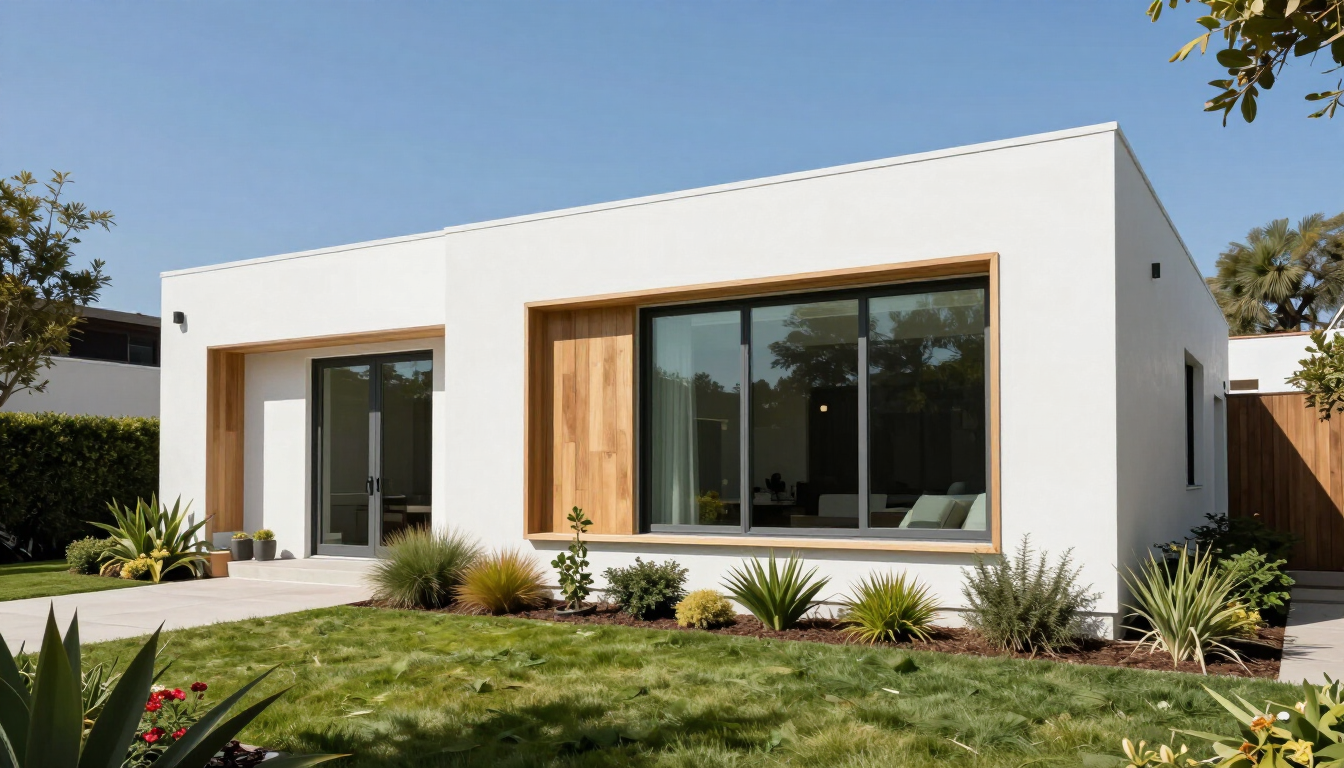
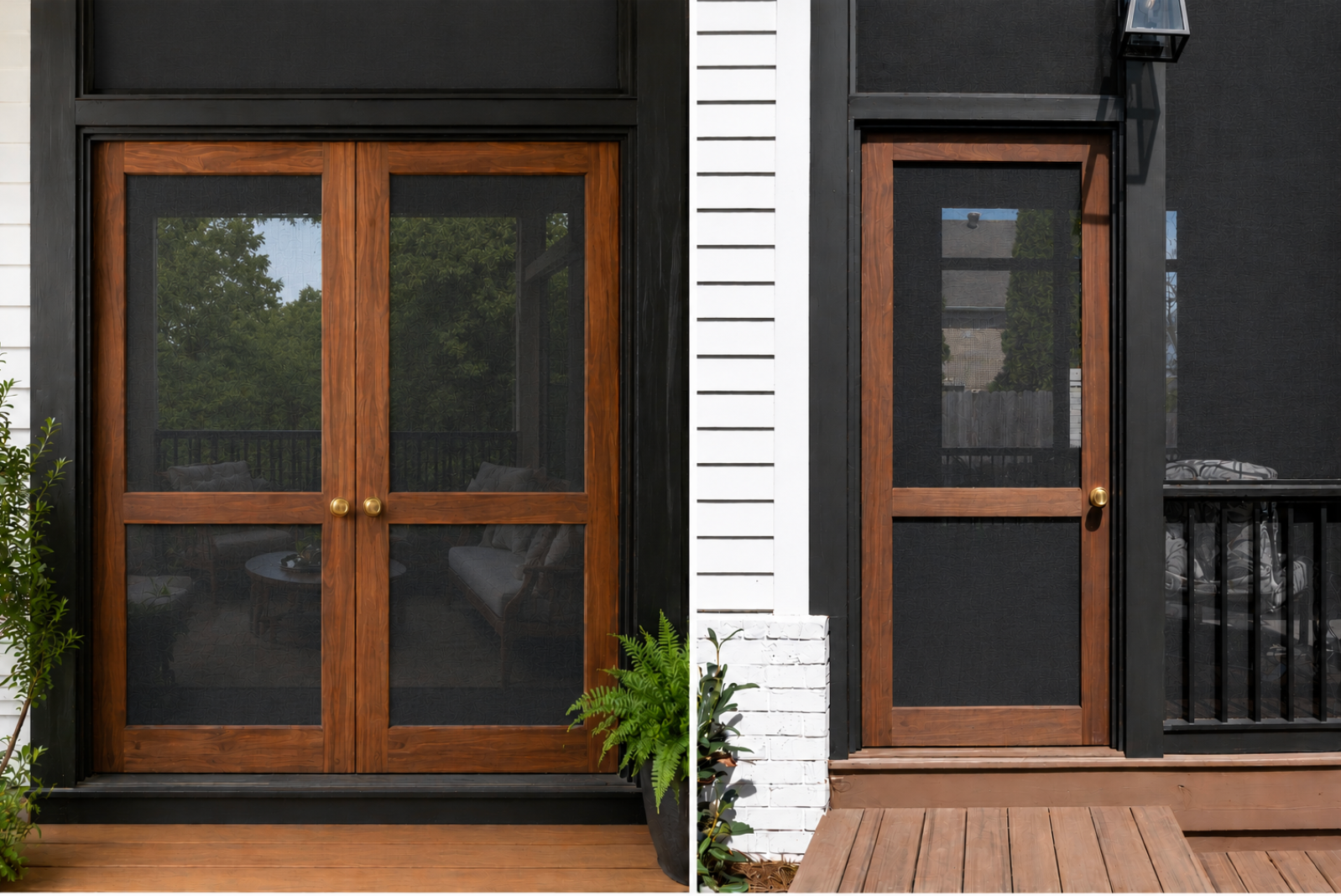
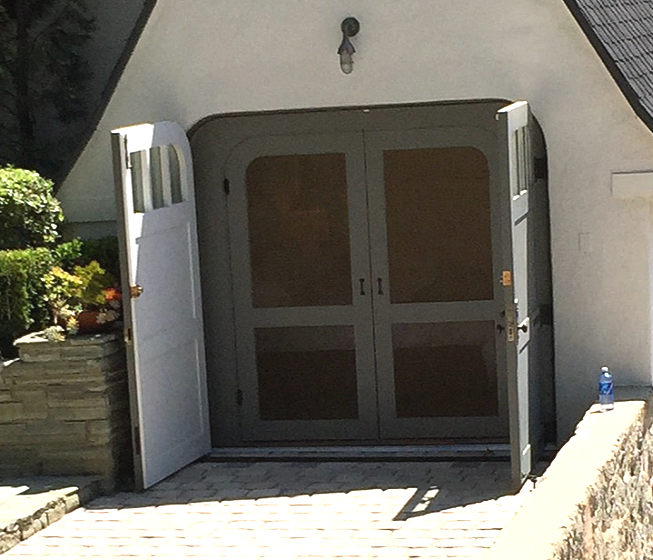
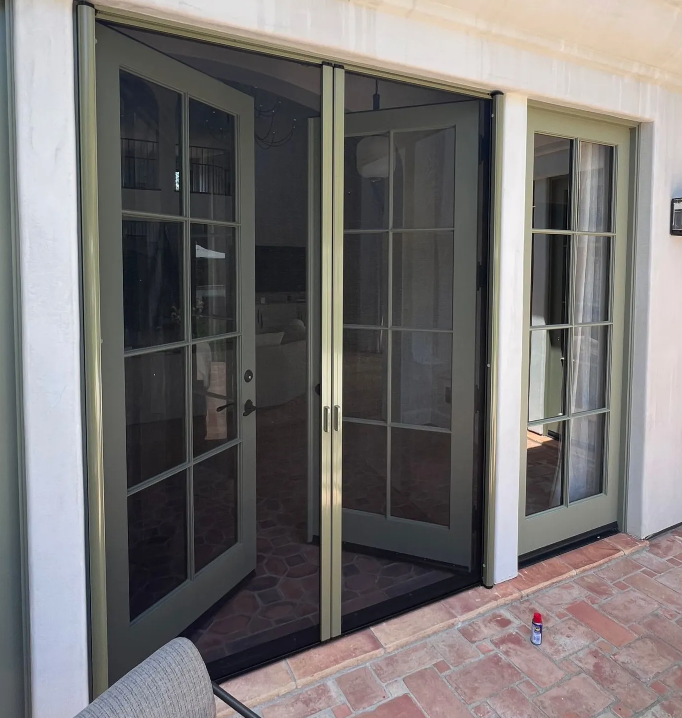
Custom solar screens are measured and fabricated to fit each opening precisely. The frames are sturdier, the mesh is higher quality, and the color and finish can be chosen to complement your home rather than clash with it. On a luxury property, a screen that looks like an afterthought lowers curb appeal. A properly built one disappears into the architecture. That is why our custom window and door screens are built to order rather than pulled off a shelf.
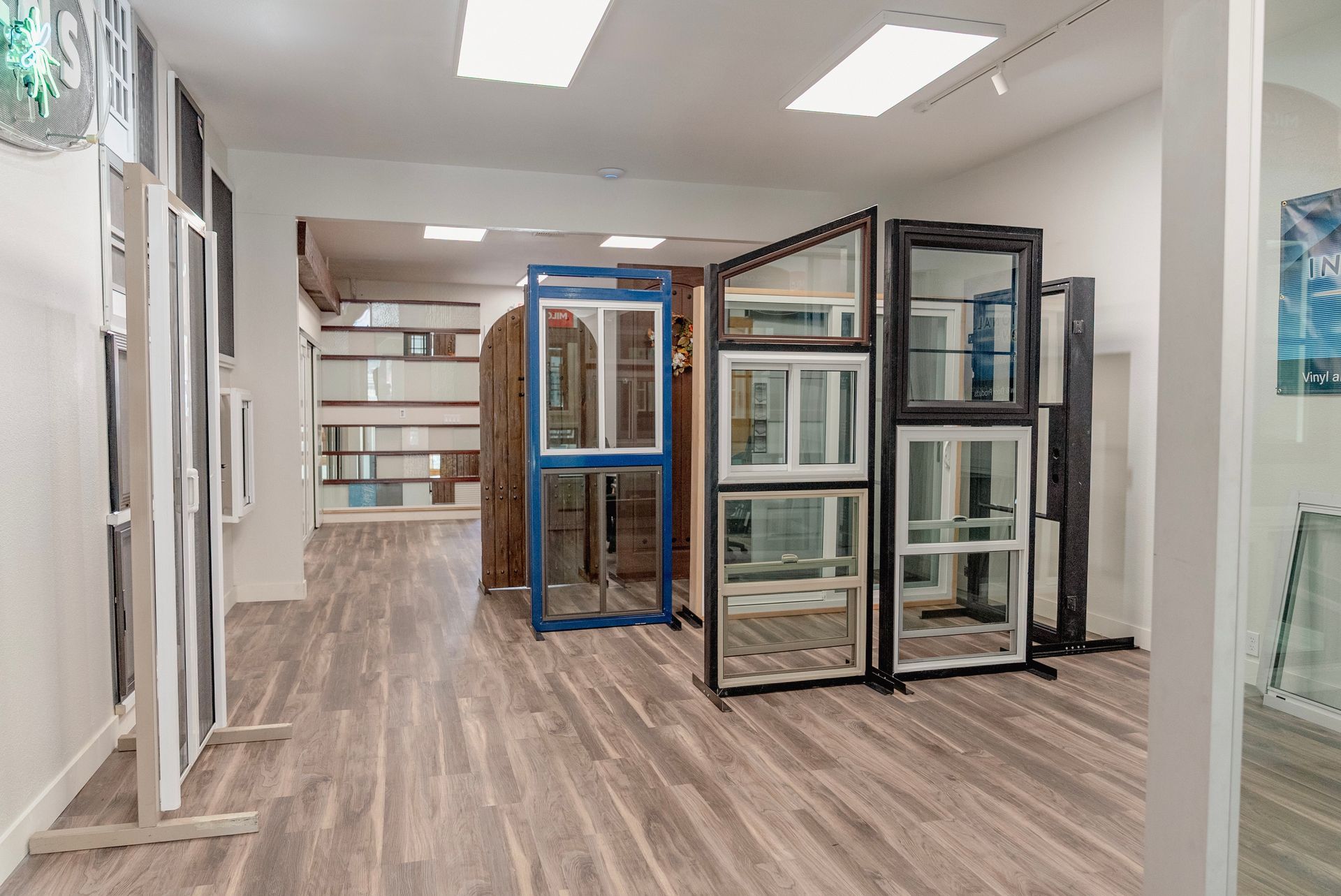
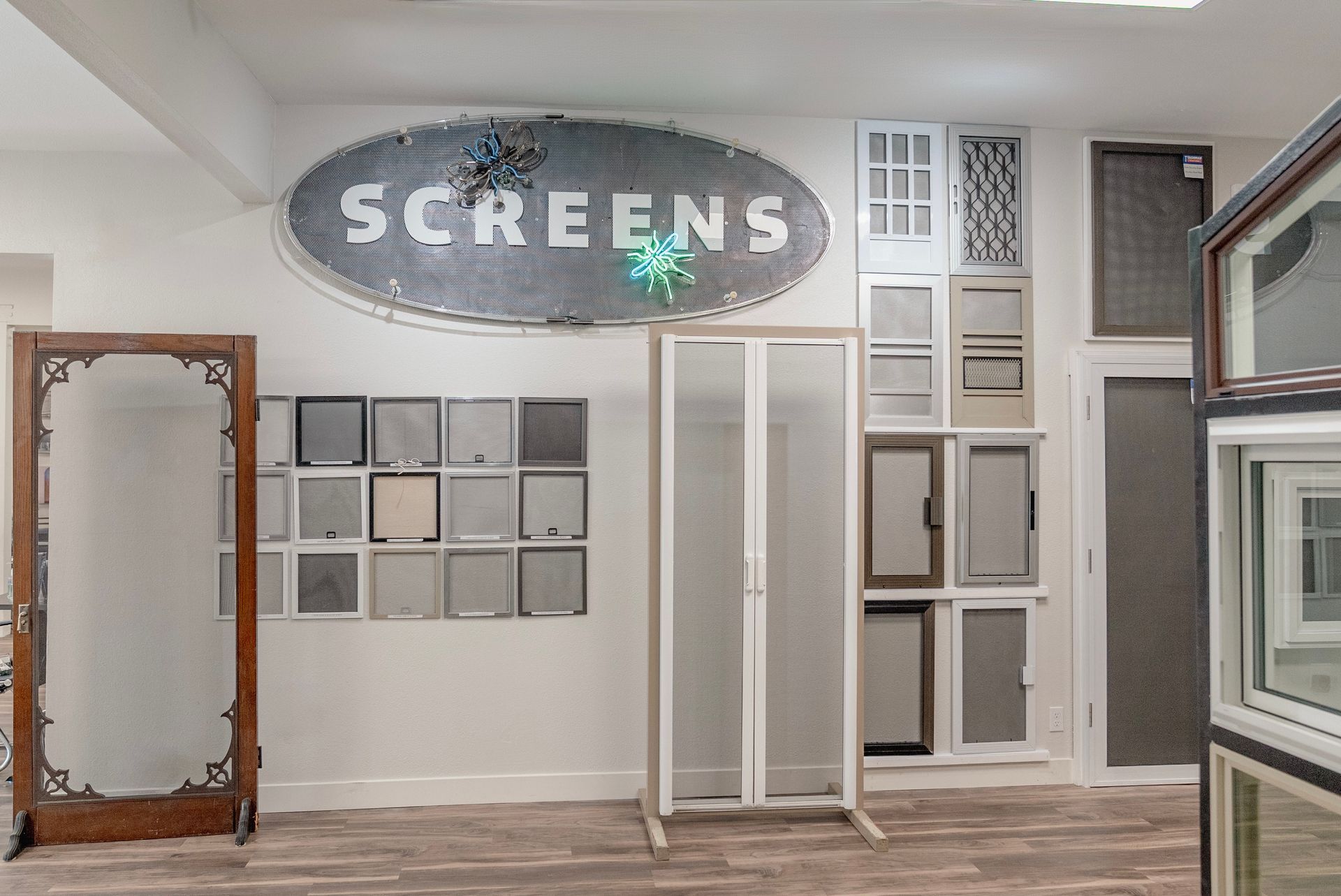
At Tashman Home Center, every window and door screen is custom-built in our West Hollywood workshop. We never subcontract our screen work. Each project is handled by our trained, background-checked in-house team, and we have been serving the West Los Angeles community since 1961. Homeowners can also visit our showroom to see and compare mesh options, colors, and frame finishes in person before committing. That legacy and hands-on approach is part of why the company recently reopened its remodeled West Hollywood showroom to give clients a full hands-on product experience.
The Mesh Matters: Materials and Quality
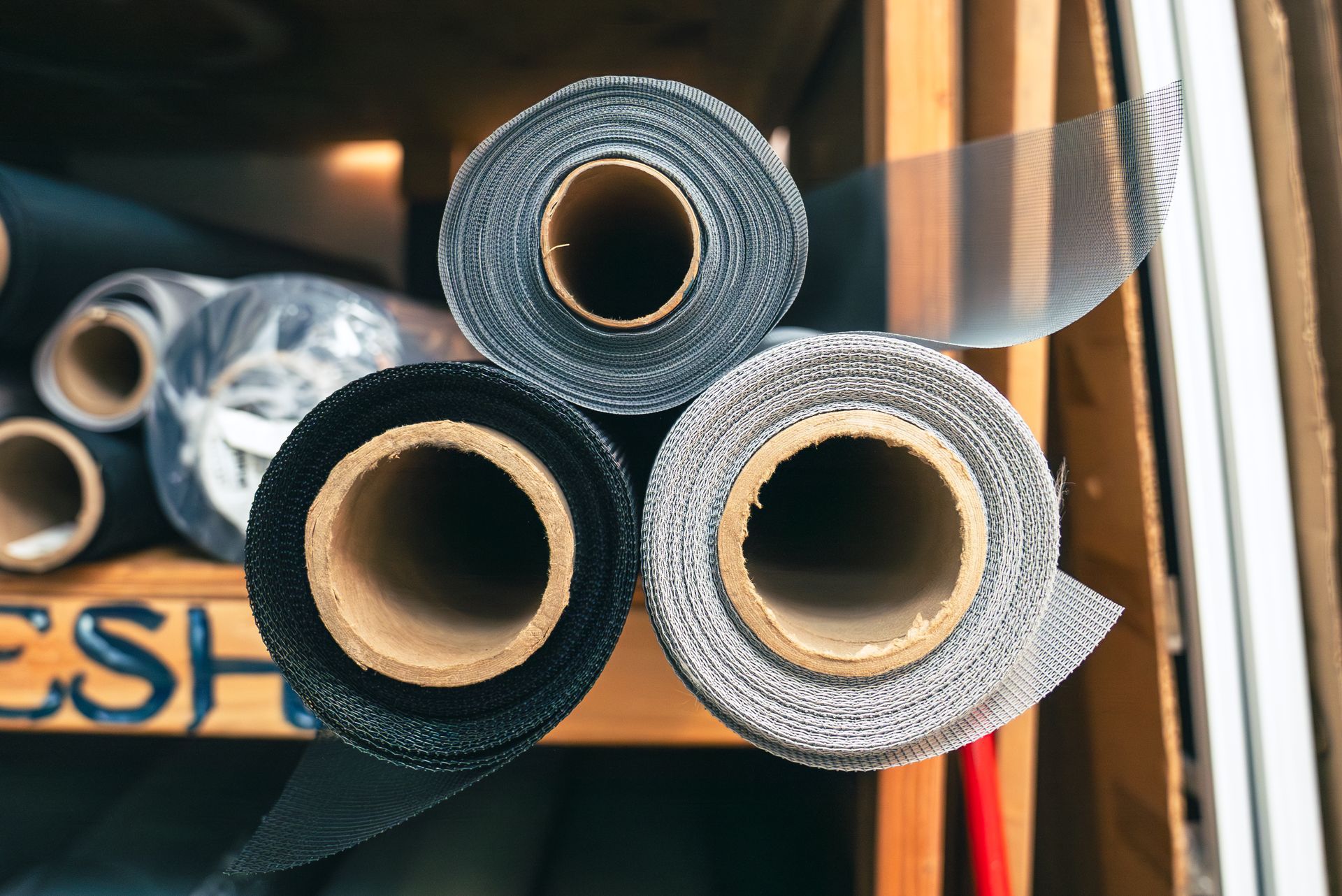
Not all solar screen fabric is the same. The quality of the mesh determines how well the screen blocks heat, how long it lasts, and how it holds up to the sun and weather. Solar screen mesh is typically woven from a fiberglass or polyester base, often coated with PVC for added durability, and it comes in a range of block percentages and colors.
We build our solar screens using professional-grade mesh from trusted manufacturers. Industry-leading fabric, such as Phifer SunTex solar screen material, is engineered to reduce solar heat gain and glare while standing up to years of direct sun exposure. Using proven, name-brand mesh rather than an unknown import is another reason a professionally fabricated screen outperforms and outlasts a big-box kit.
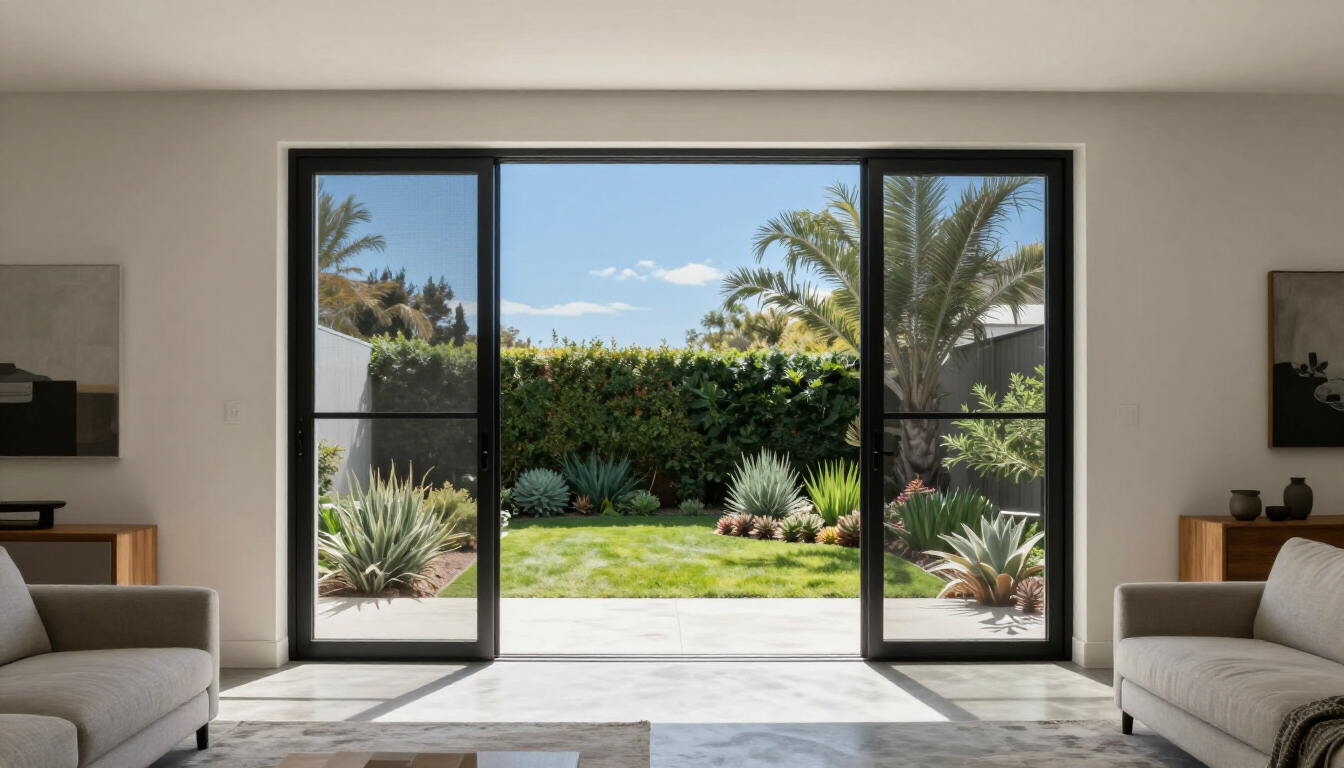
Darker mesh colors, like charcoal and dark bronze, give you better outward visibility from inside while effectively blocking the sun, which surprises many homeowners. Lighter colors reflect more heat off the exterior but can slightly reduce the clarity of your view. Choosing the right color and openness for each room is where local experience pays off.
Which Windows Should Get Solar Screens First
You do not have to screen every window in the house at once. Solar screens can be added selectively, making them easy to budget for in phases. If you are prioritizing, focus on the windows taking the most abuse from the sun.
- South-facing and west-facing windows receive the most direct afternoon and evening sun, so they benefit the most from solar screens and should usually come first.
- Rooms where fading is already visible on floors, rugs, or furniture are strong candidates, since the UV protection stops further damage.
- Rooms with televisions or home offices where glare is a daily annoyance become far more usable with glare-cutting solar screens.
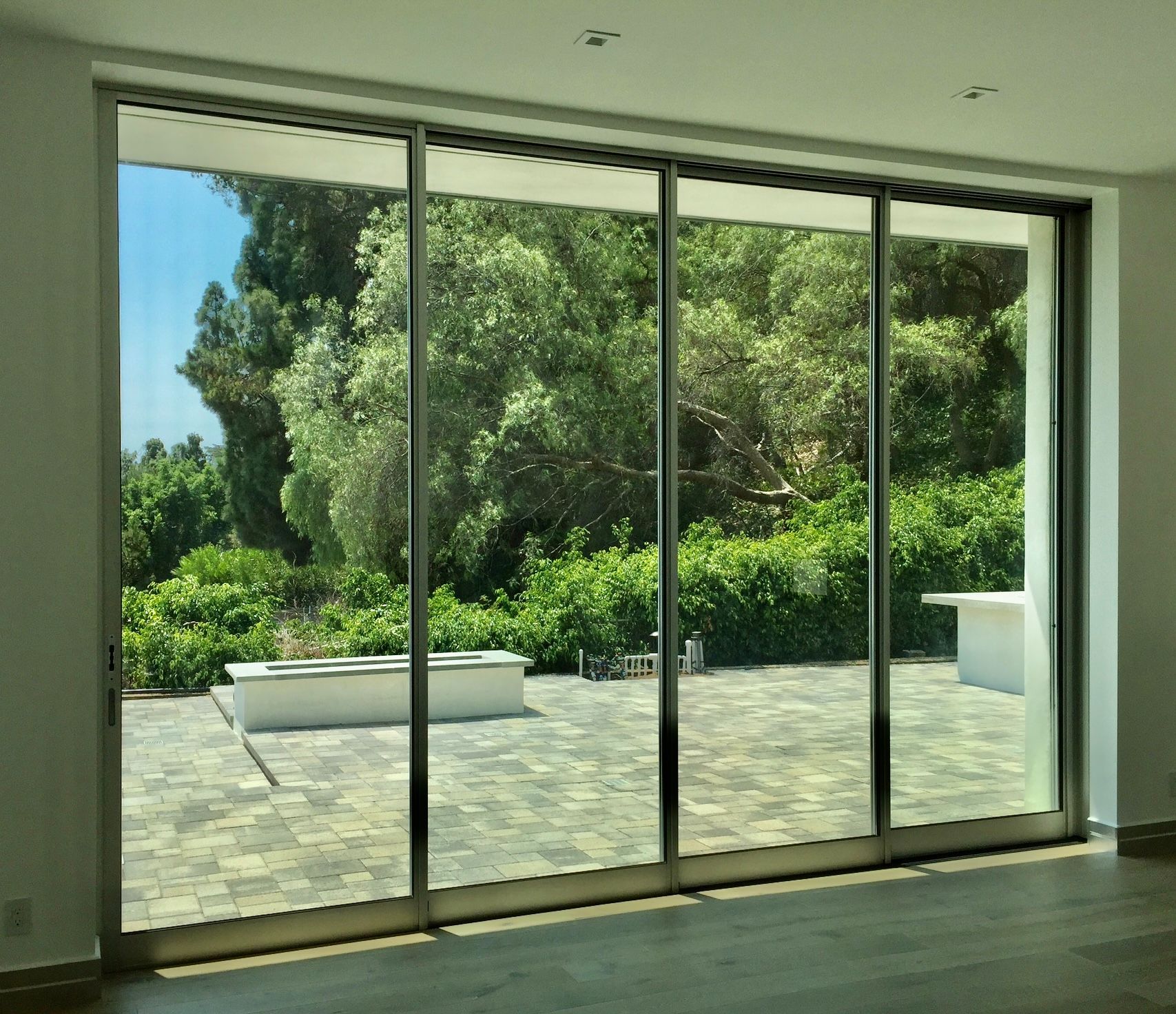
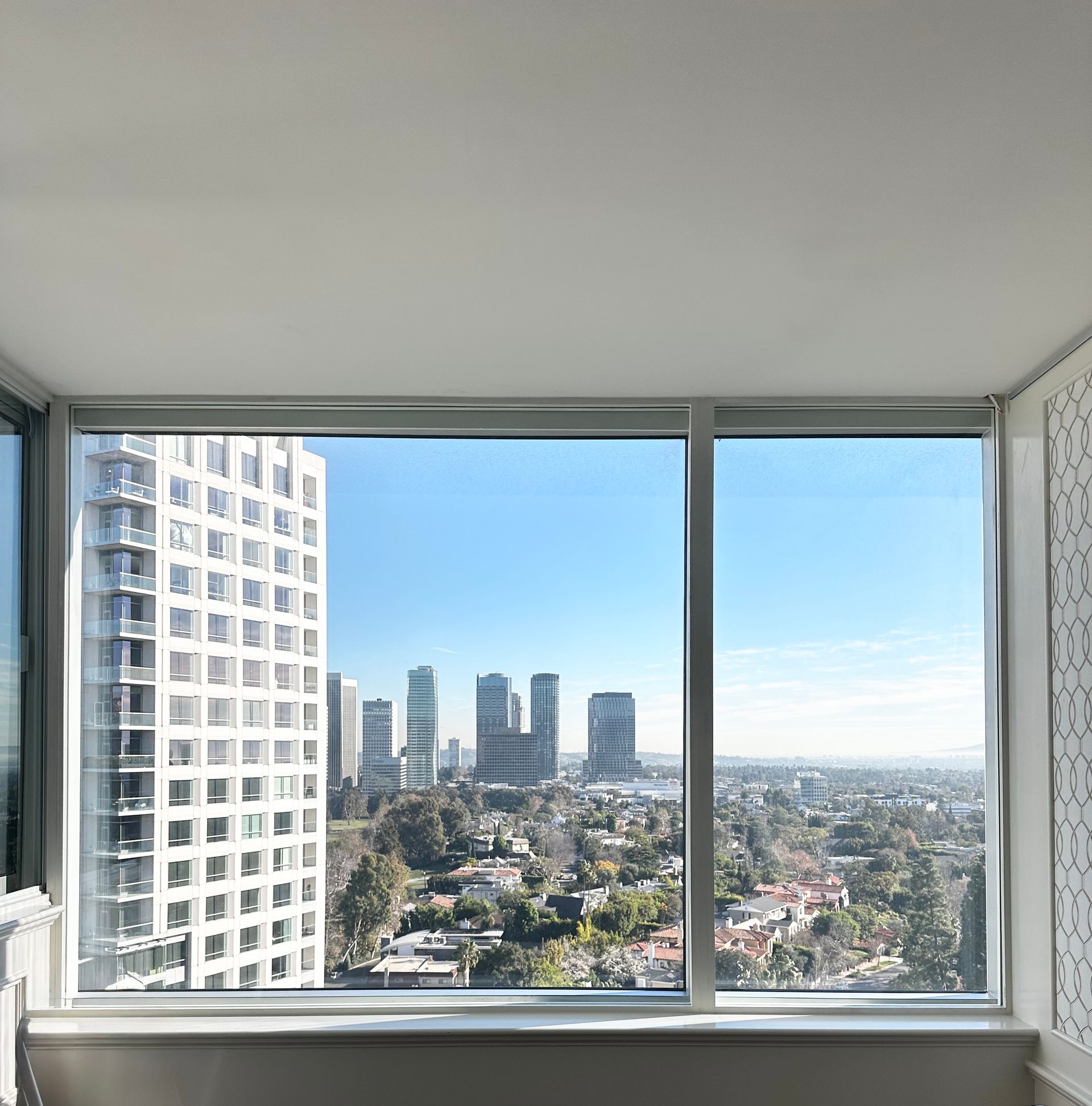
- Large picture windows and sliding-door glass let in enormous amounts of heat, so screening these openings delivers a noticeable change in comfort.
Starting with the worst-offending windows gives you the greatest comfort and energy improvements for the smallest initial spend, and you can add the rest later.
What to Look for in a Solar Screen Installer
A solar screen only performs as well as its fit and build quality, so the installer matters as much as the product. When choosing a local solar screen company in West Hollywood, look for a few key factors.
Look for a company that fabricates its own screens rather than ordering generic sizes. In-house fabrication means the screen is built to your exact opening. Ask if the installation crew is employed by the company or subcontracted, since an in-house team tends to take more care and stands behind the work. Ask about the mesh brand and the available block percentages to match the screen to each room. Finally, a local showroom is a strong sign because it lets you see materials in person and signals that a company is invested in the community for the long term.
Tashman Home Center checks every one of these boxes. We fabricate in-house, install with our own trained team, offer professional-grade mesh in multiple options, and welcome homeowners into our West Hollywood showroom to explore the choices before they decide. You can learn more about our residential and commercial screen services, as well as the full range of mesh and frame options we offer for local homes.
Frequently Asked Questions About Solar Screens
Do solar screens really block heat and lower cooling costs?
Yes. Solar screens block sunlight on the exterior of the window before it heats the glass, which reduces heat gain inside the home. In hot, sun-exposed climates, they can lower cooling costs by keeping rooms cooler and reducing how hard your air conditioner has to work. Homeowners in Los Angeles often notice a real difference between south- and west-facing rooms during the summer.
How much do solar screens cost per window?
Standard solar screens typically cost between $50 and $150 per window installed; mid-range options run $150 to $300 per window, and premium or custom screens can reach $300 to $600 per window. Retractable solar screen systems start around 1,000 dollars and go up with motorization and size. Window size, mesh quality, and access all affect the final price.
Are solar screens or window tint better for reducing heat?
For maximum heat reduction, solar screens usually win because they sit outside the glass and stop the sun before it enters. Window tint works on the inside surface after sunlight has already passed through the glass. Tint offers clearer visibility and blocks slightly more UV, while solar screens block more heat while still allowing airflow. Many homeowners in sunny climates choose screens for their hottest windows.
Do solar screens make the room too dark?
Solar screens do reduce interior light somewhat, since blocking the sun is their main job. You control this by choosing the mesh openness. A more open weave keeps rooms brighter and preserves a clearer view, while a denser weave blocks more heat and darkens the room more. Darker mesh colors, like charcoal, often provide better outward visibility than lighter ones.
How long do solar screens last?
Most solar screens last about ten years, though this varies with climate, mesh quality, and sun exposure. Screens in constant direct sunlight may begin to fade sooner. Choosing high-quality mesh and occasionally cleaning the screens with mild soap and water helps them last longer. Annual inspection for tears or loose frames keeps them performing well.
Can solar screens be installed on any type of window?
Yes. Solar screens can be custom-fabricated to fit nearly any window type or shape, including double-hung, casement, sliding, picture, and even arched or bay windows. Non-rectangular and oversized openings require made-to-shape screens, which take a little longer to build. A professional installer measures each opening to ensure a precise fit with no gaps.
Do solar screens provide privacy?
Solar screens provide daytime privacy. During the day, you can see out clearly while people outside see a darkened mesh surface rather than into your home. Denser mesh offers more privacy. At night, the effect reverses once interior lights are on, so solar screens are best thought of as a daytime privacy feature rather than a full-time one.
Do solar screens require special maintenance?
Solar screens are low maintenance. Occasional cleaning with mild soap and water keeps the mesh clear and effective. Avoid harsh chemicals and pressure washing, which can damage the fabric. In dusty or coastal areas, you may need to clean them more often. Inspecting the screens once a year for small tears or loose frames helps maintain their performance and appearance.
Ready to cool down your West Hollywood home?
If your home is losing the daily battle with the Los Angeles sun, custom solar screens are one of the smartest and most affordable upgrades you can make. They cut heat, block fading UV rays, reduce glare, and give you daytime privacy, all while keeping your windows open to fresh air. Built correctly and fitted precisely, they do it without spoiling your view or your home's appearance.
Tashman Home Center has served West Hollywood, Beverly Hills, Brentwood, Santa Monica, Hancock Park, and the surrounding neighborhoods since 1961. Our in house team will measure your windows, recommend the right mesh for each room, and build screens that fit perfectly and last for years. Visit our West Hollywood showroom or request a free solar screen consultation or call 323-676-0700 today, and let our team show you how much more comfortable your home can be.
Tashman Home Center Blog
Taylor Ann Hancock is the Owner of Glass Mama Marketing and a recognized expert in the residential and commercial glass industry. With deep, hands-on exposure to how glaziers operate, price work, and compete in today’s market, Taylor offers practical, experience-driven insight shaped by the realities of the glass industry, not theory.
About the Author