
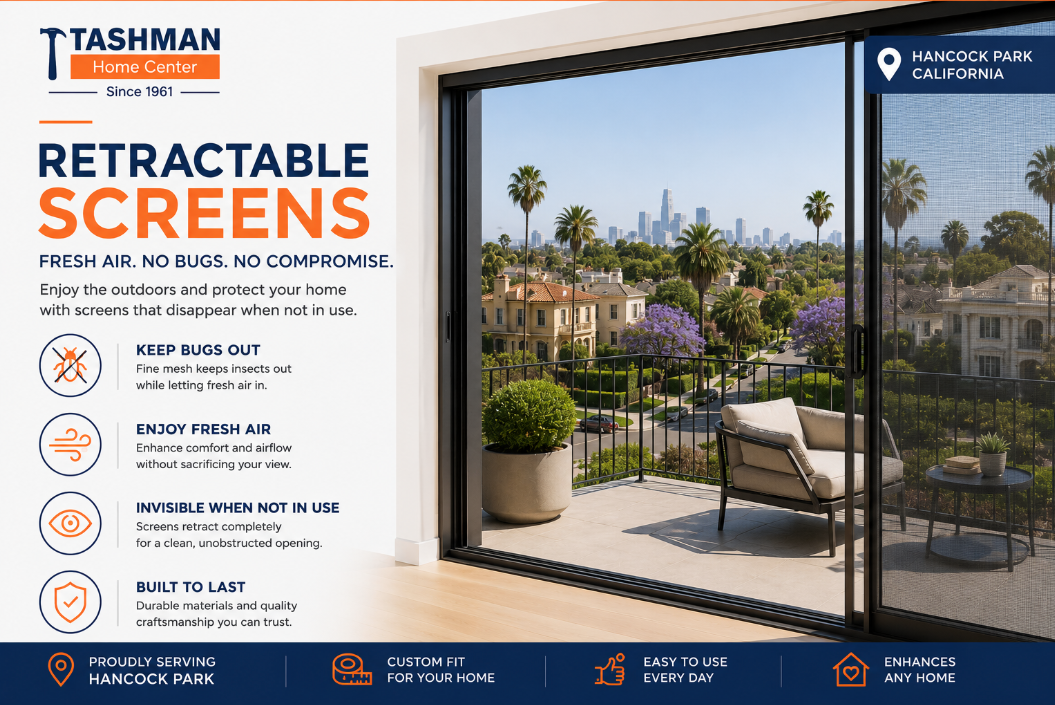
Retractable Screens in Hancock Park: Fresh Air Without the Bugs or the Compromise
Designed for historic homes, retractable screens disappear when not needed and appear only when you want them.
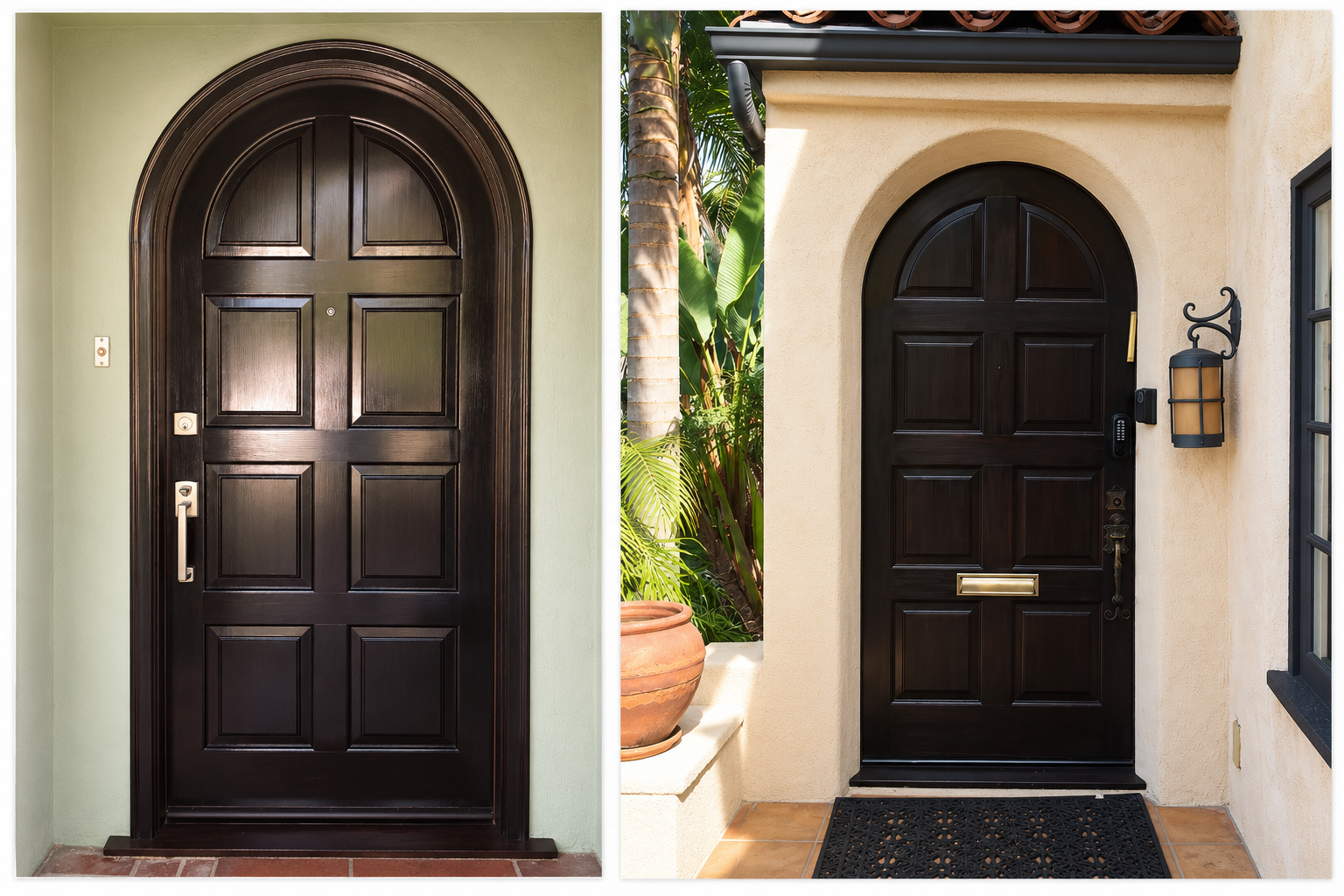
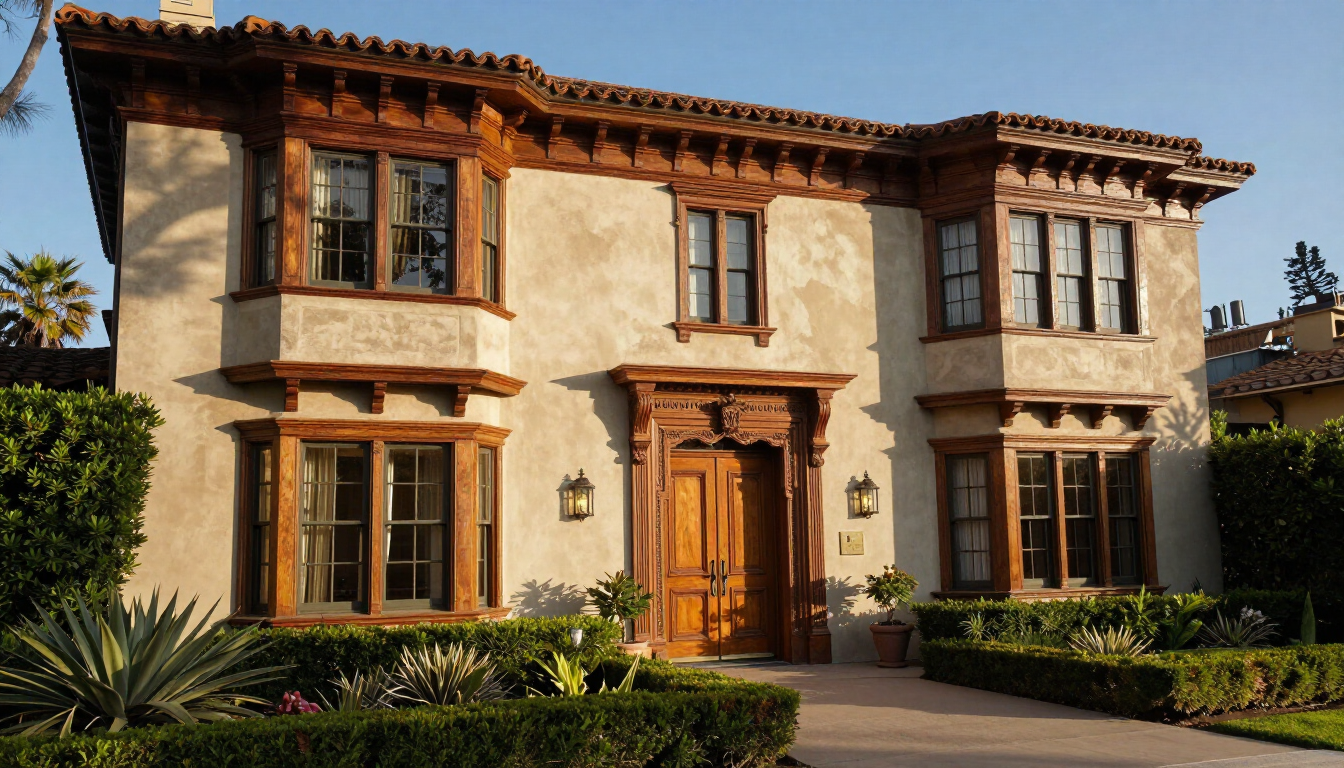
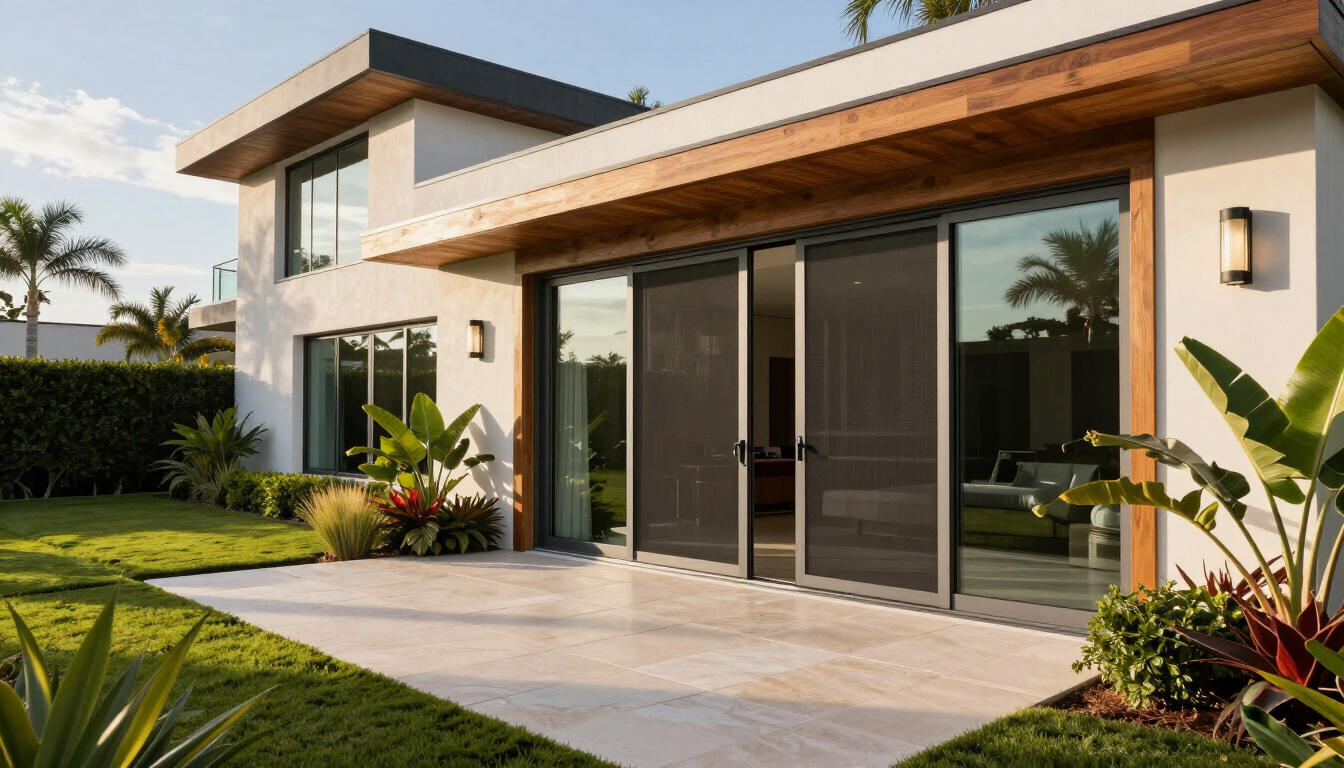
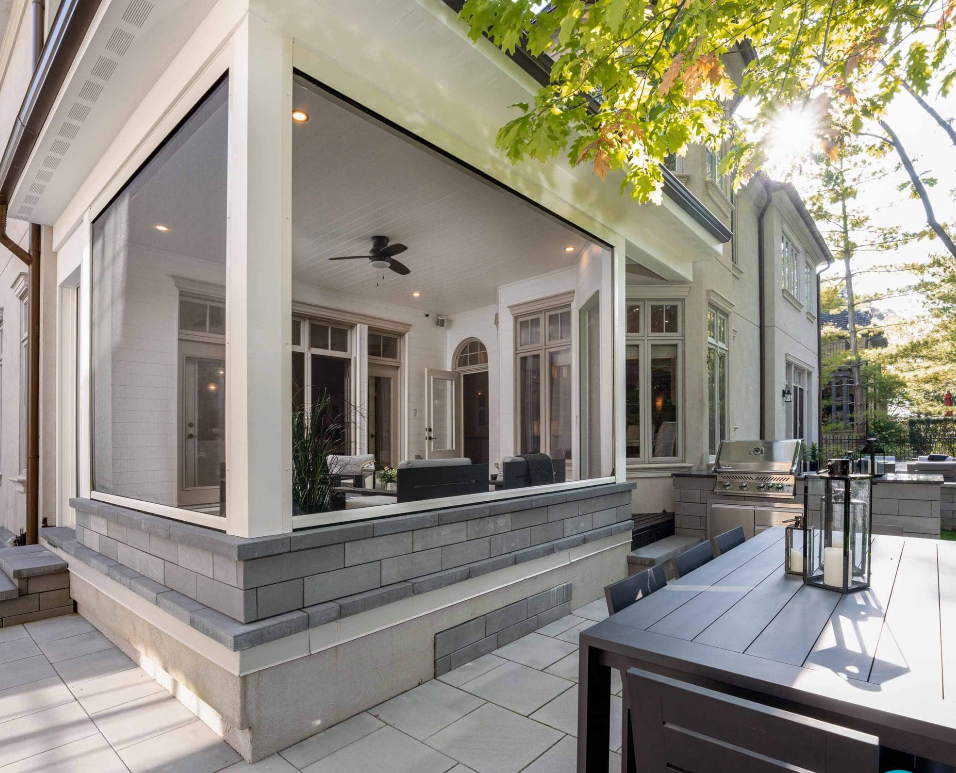
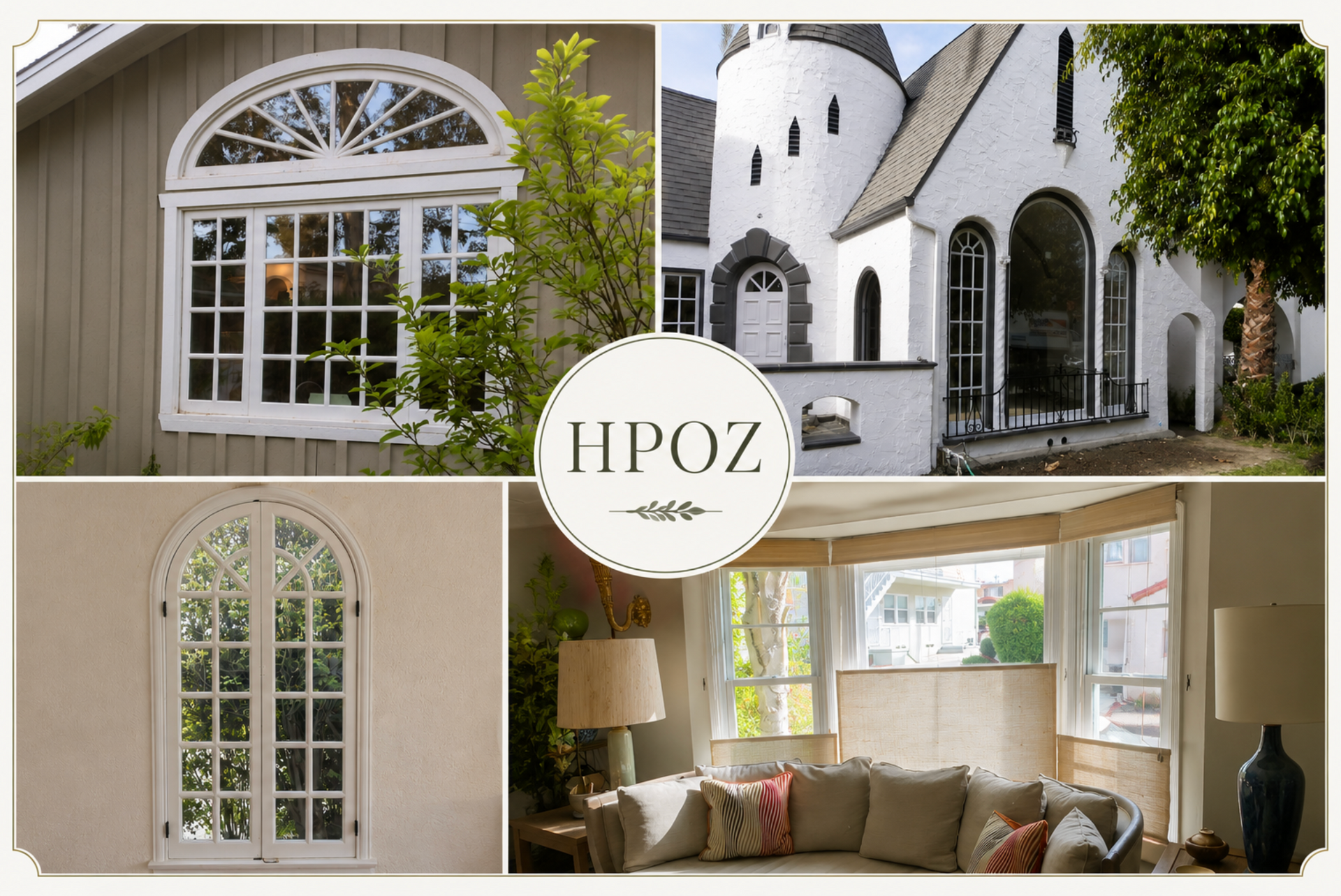
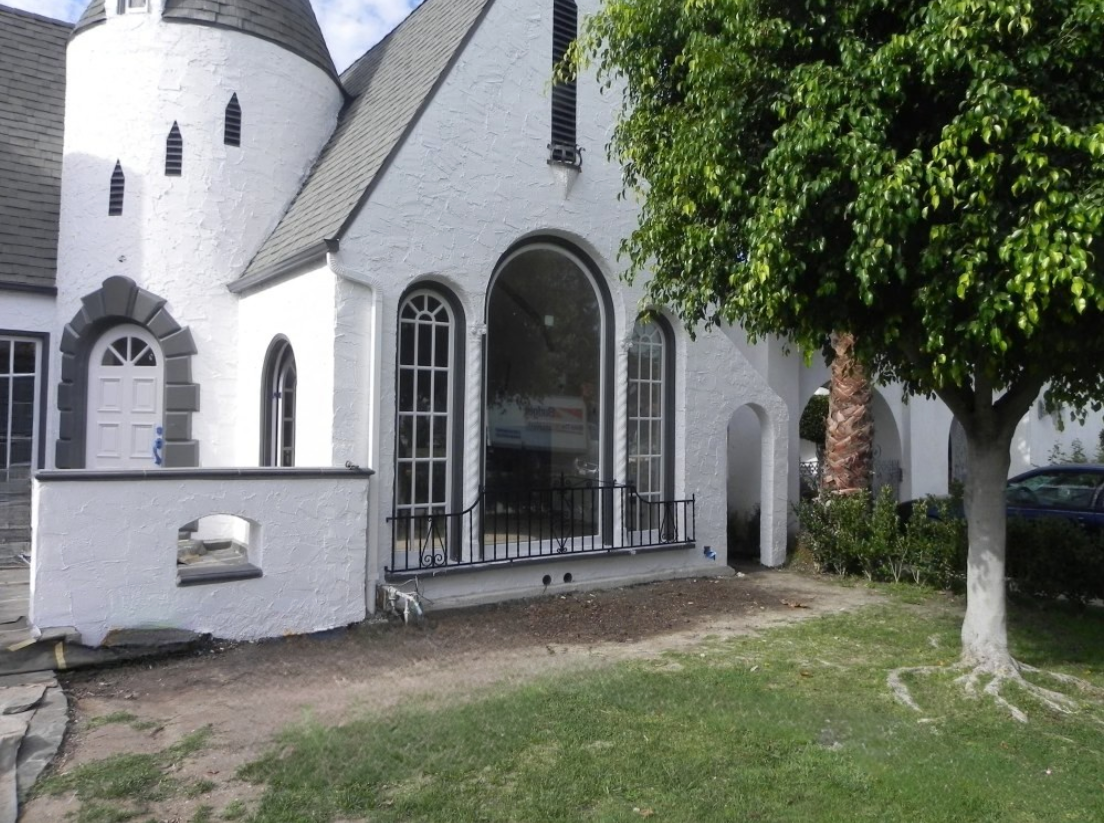
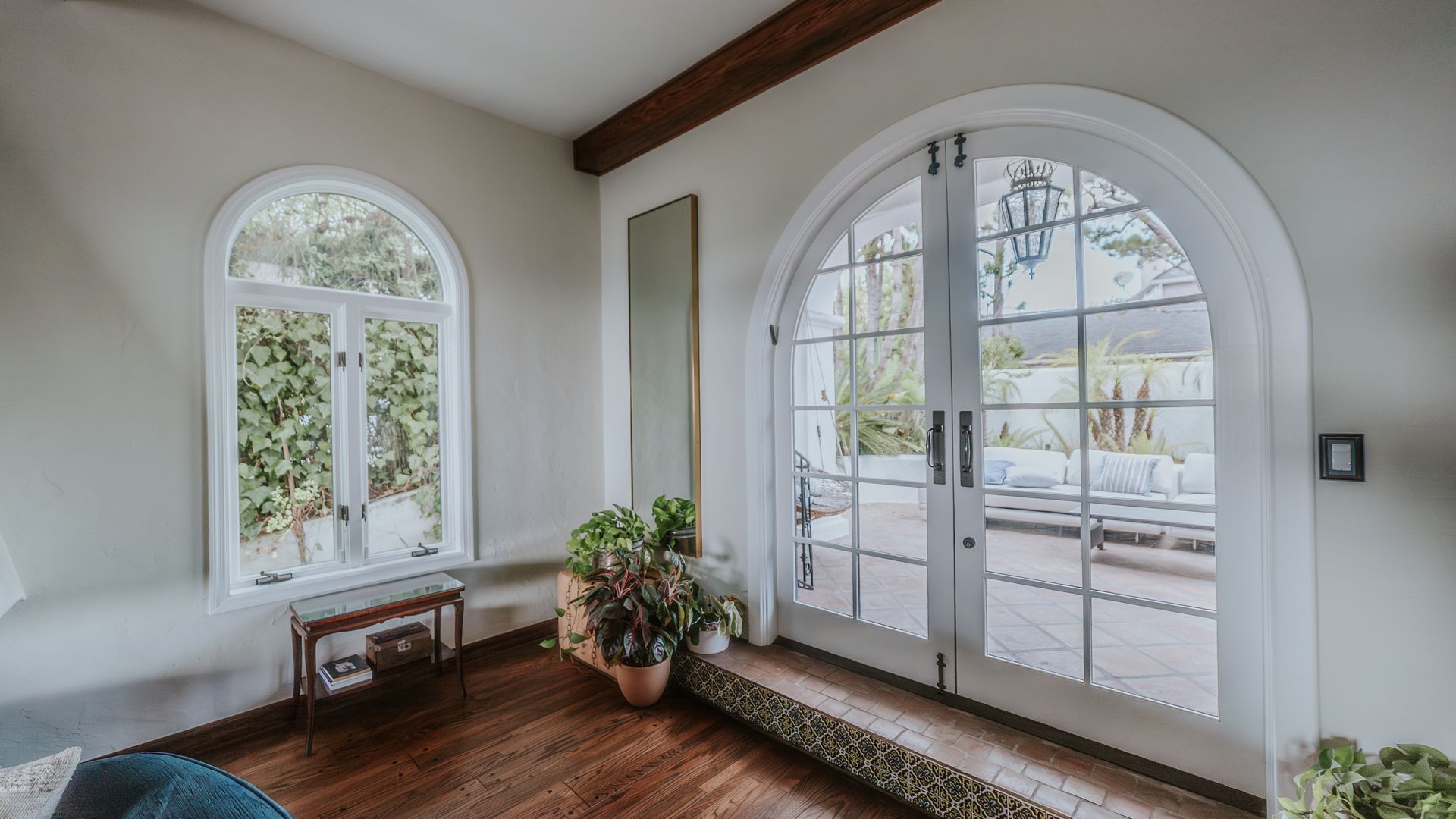
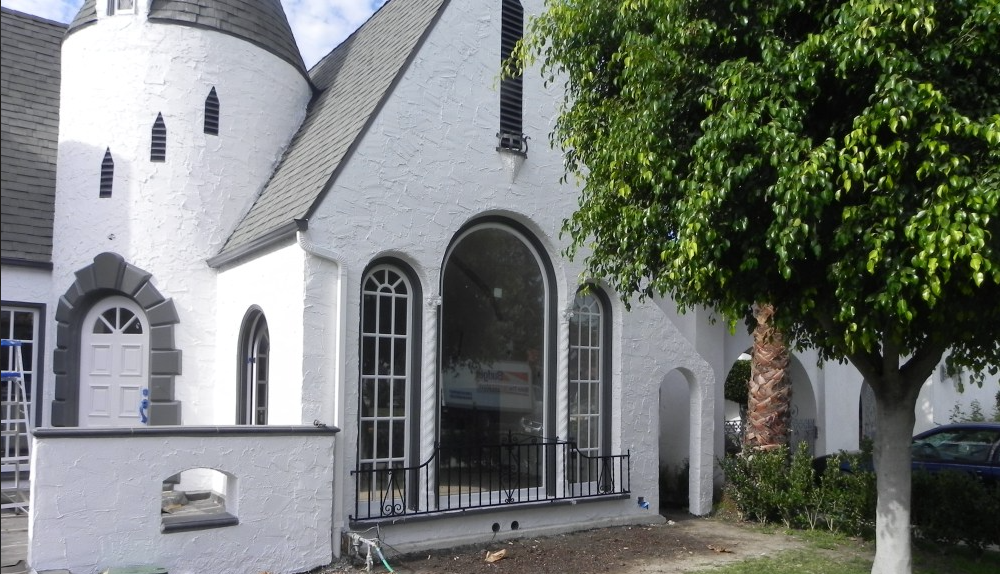
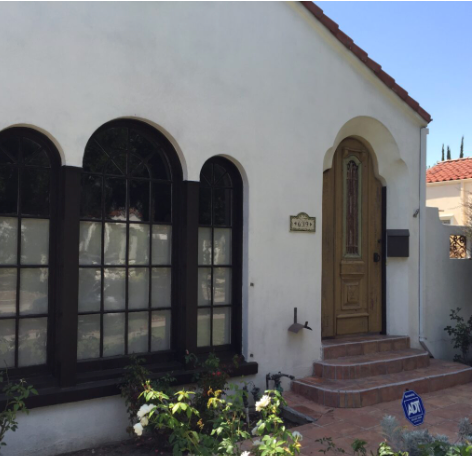
Hancock Park is one of Los Angeles's most architecturally distinctive neighborhoods. The wide, tree-lined streets, meticulously maintained Craftsman bungalows, Spanish Colonial Revivals, and Tudor estates give the area a character that homeowners work hard to protect. The same windows and doors that make these homes beautiful in the cooler months become a source of genuine frustration once temperatures climb. Open the French doors, and the flies follow immediately. Let in a breeze through the living room, and the mosquitoes arrive before the air does. For homeowners who have spent years restoring original casement windows or selecting hardware that matches period details, the last thing anyone wants is a bulky aluminum frame blocking the view. That is the problem: retractable screens for Hancock Park homes were designed to solve cleanly, without altering the appearance of your property in any way.
Why Hancock Park Homes Are Perfect for Retractable Screens
Hancock Park occupies a unique position in Los Angeles real estate. Many of its homes sit within the Hancock Park Historic Preservation Overlay Zone, a designation that includes architectural review requirements and strict guidelines for exterior modifications. Adding a fixed screen to a period door or casement window can trigger a review, and in many cases, a denial.
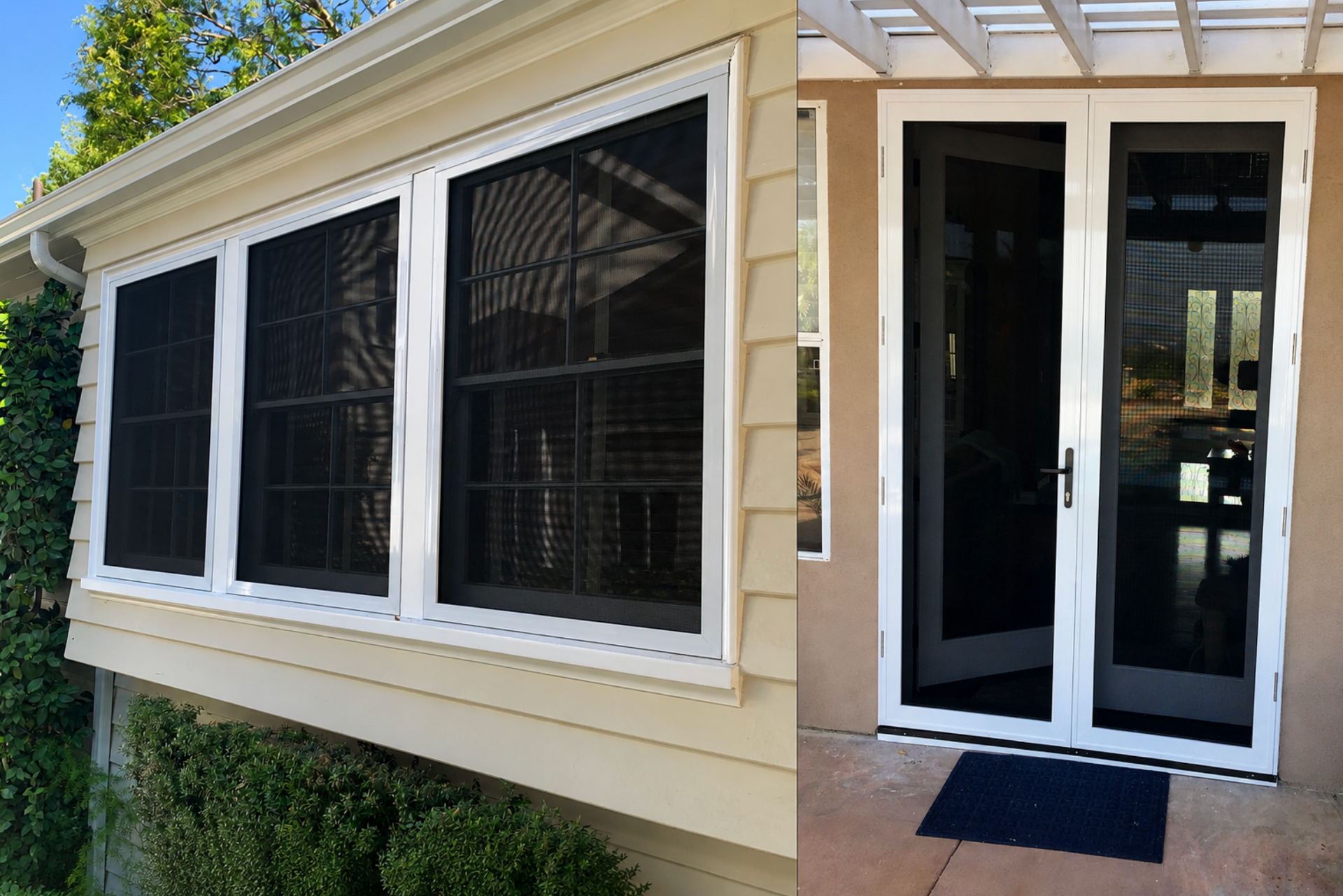
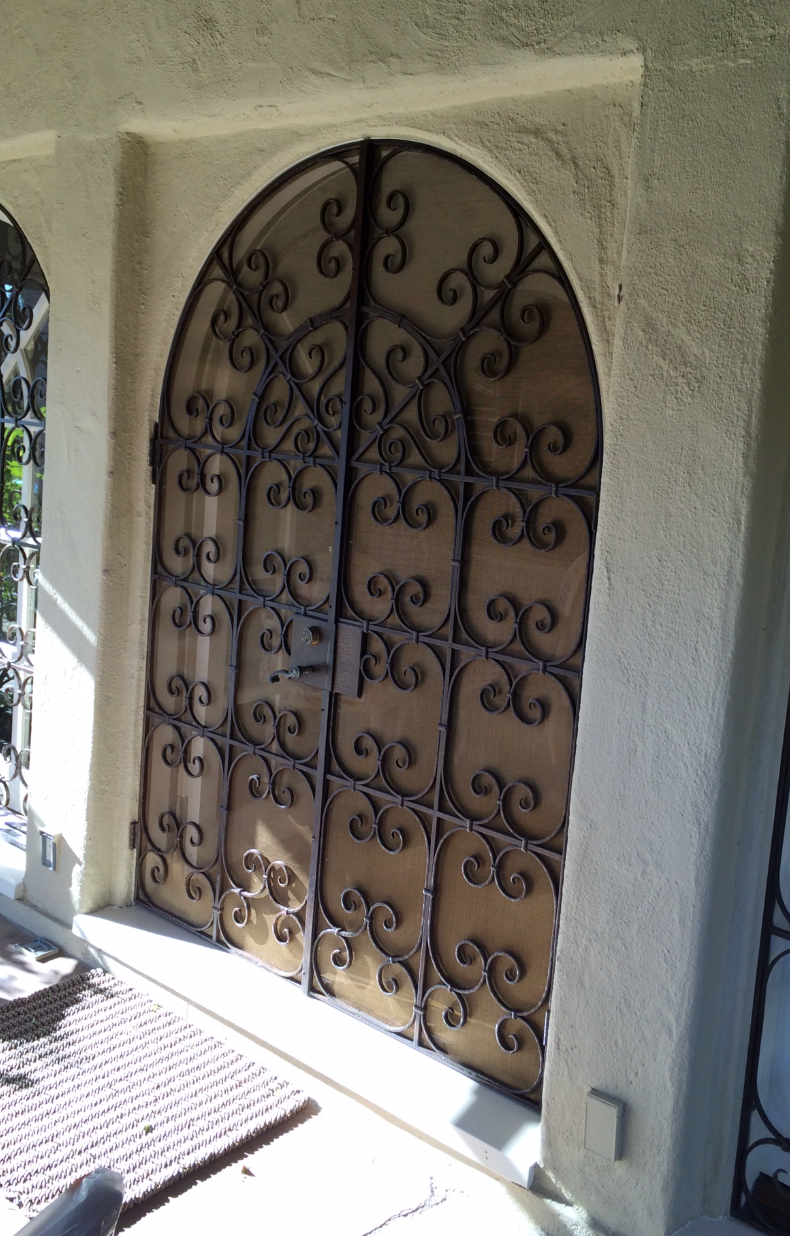
Retractable screens sidestep that problem entirely. When fully retracted, the cassette housing is slim enough to mount within the existing door casing without altering the visual profile of the opening. No screen is visible from the street. No frame crosses the view from inside. The system disappears, and so does the problem.
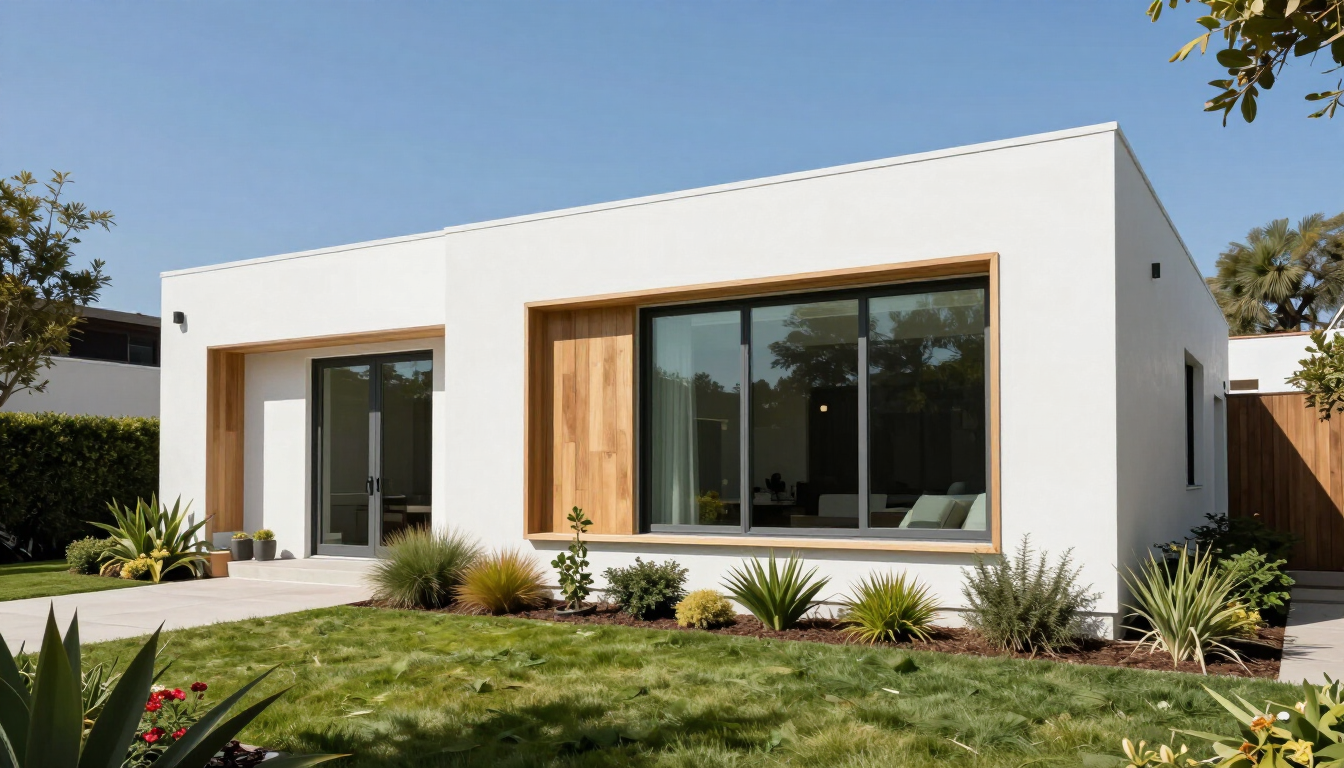
Beyond compliance, Hancock Park's architecture lends itself well to retractable screens. French door configurations, wide patio sliders, oversized casements, and deep-set single entries are all standard in this neighborhood. These openings benefit from a screen that can cover the full span without interrupting the architectural character on either side.
The neighborhood is also close enough to Spaulding Square and Carthay Circle that many of the same historic preservation considerations apply to adjacent properties. Homeowners throughout this corridor have found that retractable screens are often the only solution that satisfies both the homeowners' association and their personal aesthetic standards for their property.
What Retractable Screens Are and How They Work
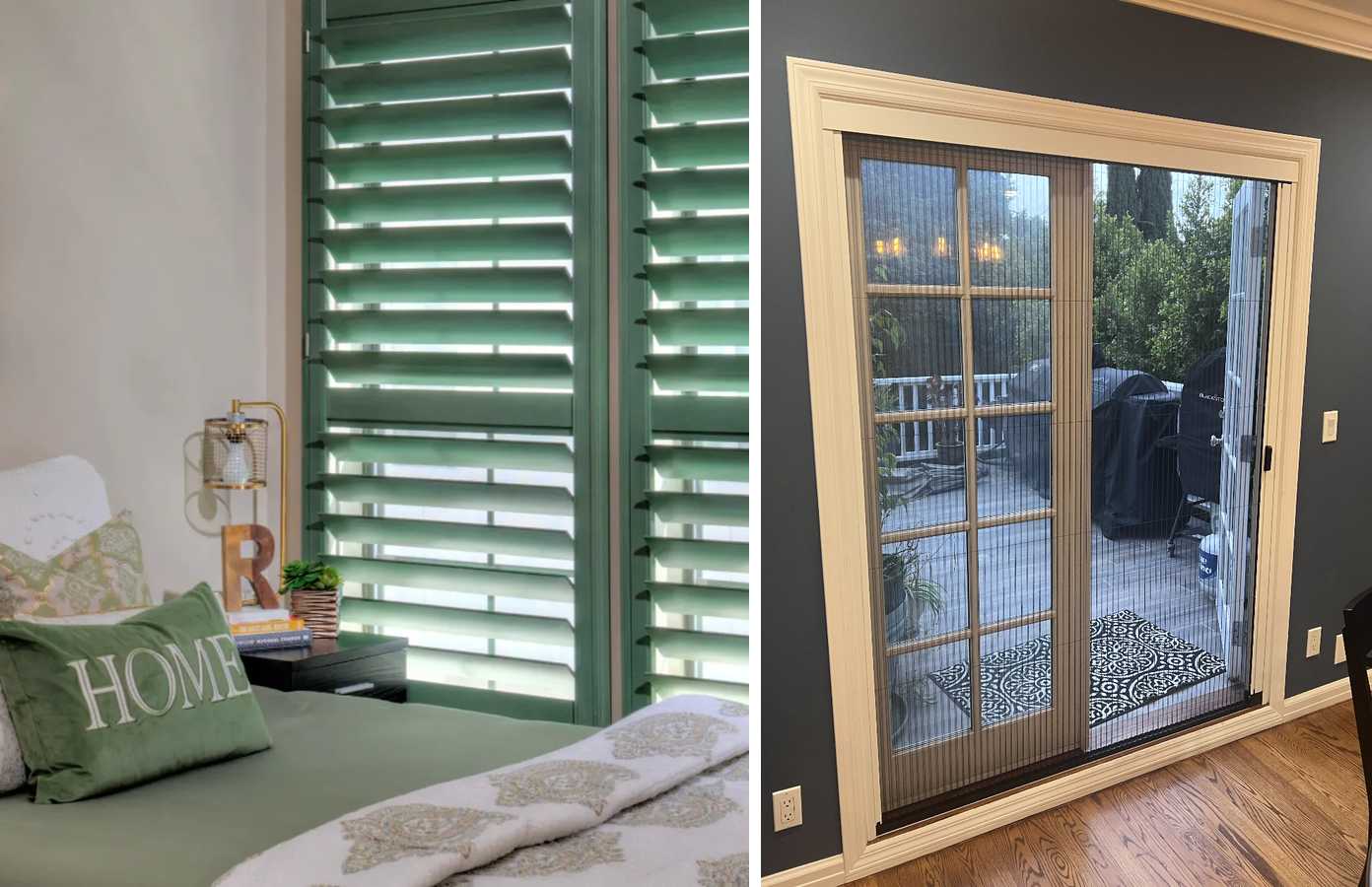
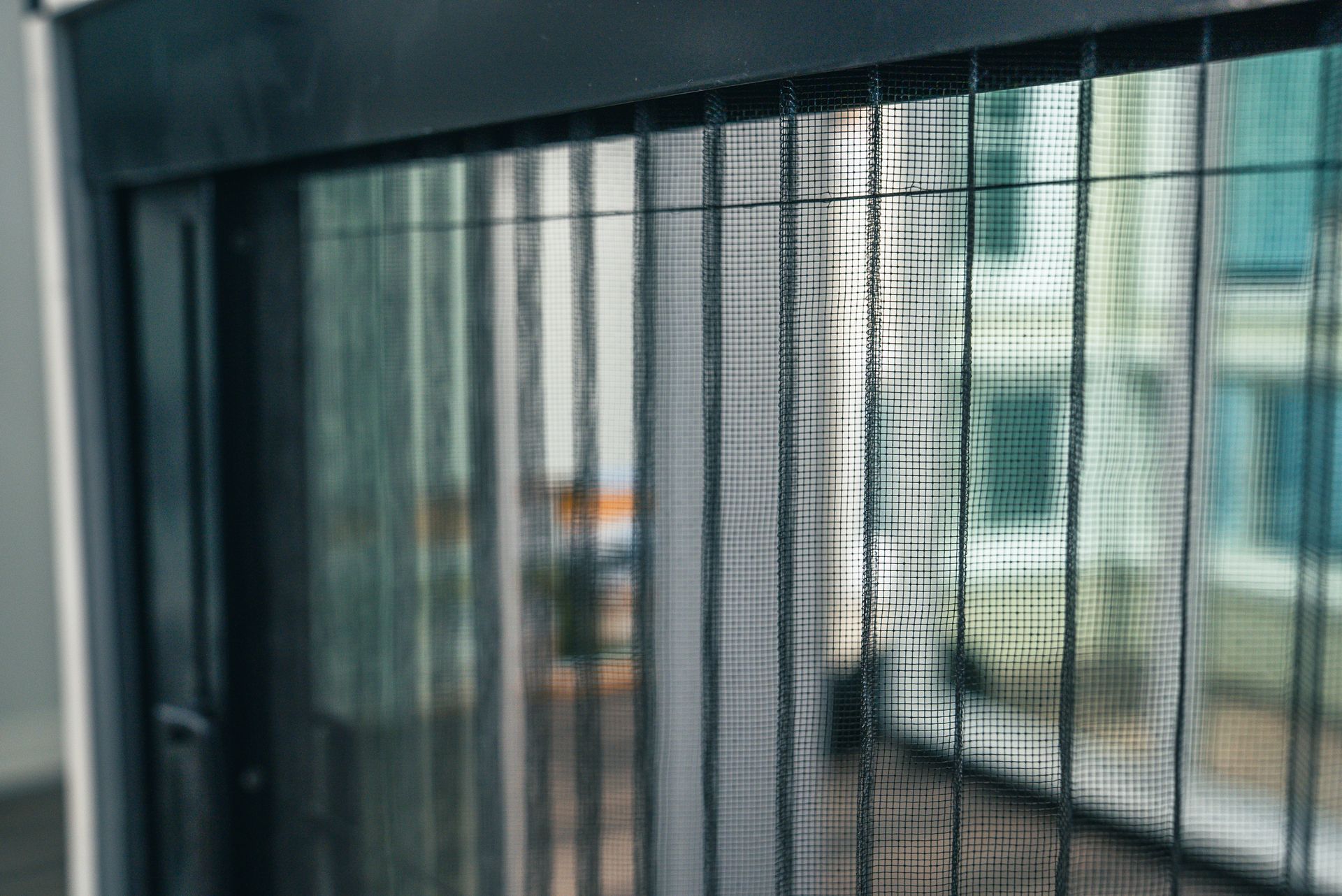
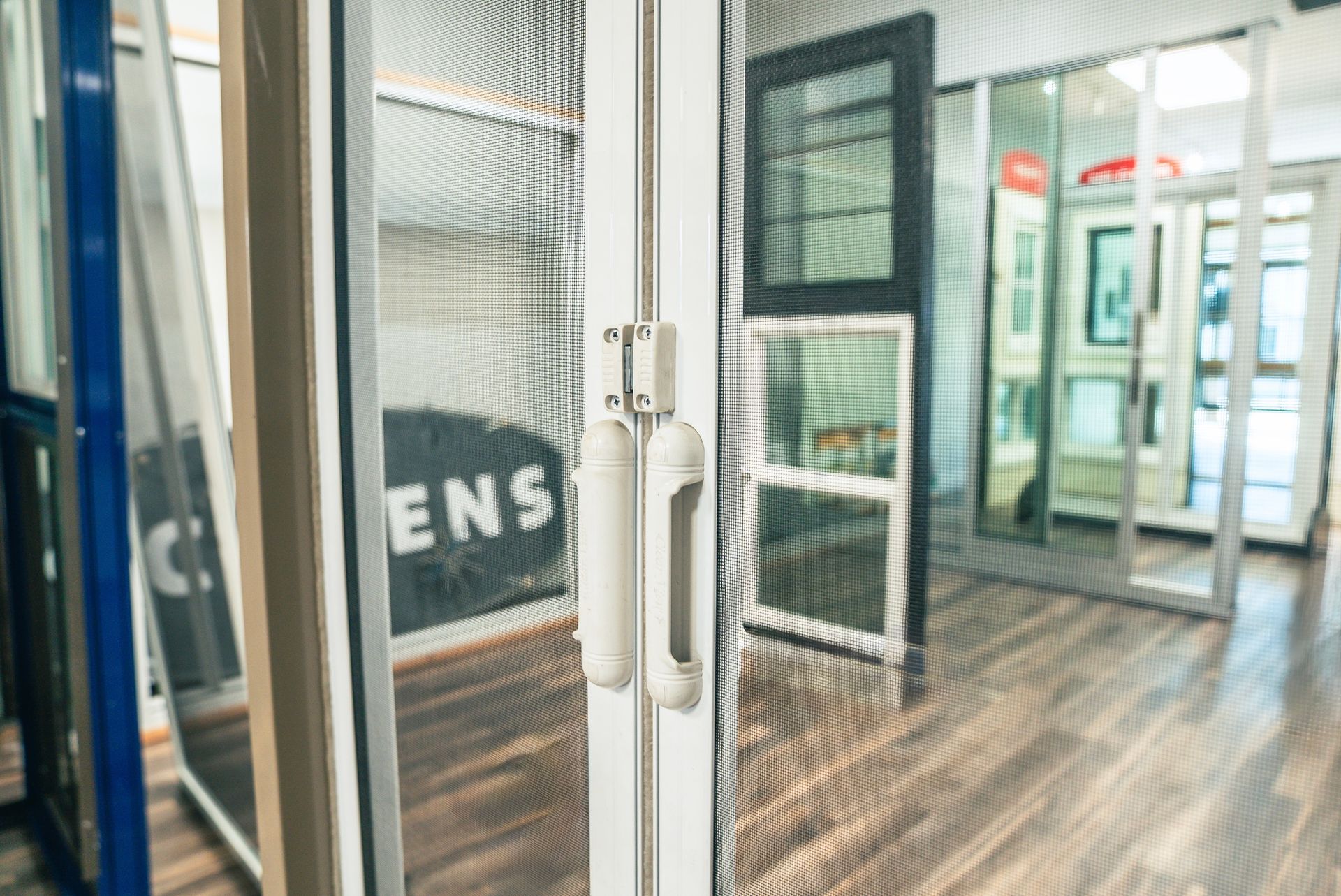
A retractable screen system consists of a fine-mesh screen attached to a spring-loaded or motorized roller housed in a slim cassette. When the door or window is in use, the screen pulls across the opening and locks in place. When not needed, the screen retracts smoothly into the cassette, which mounts discreetly to one side of the door frame.
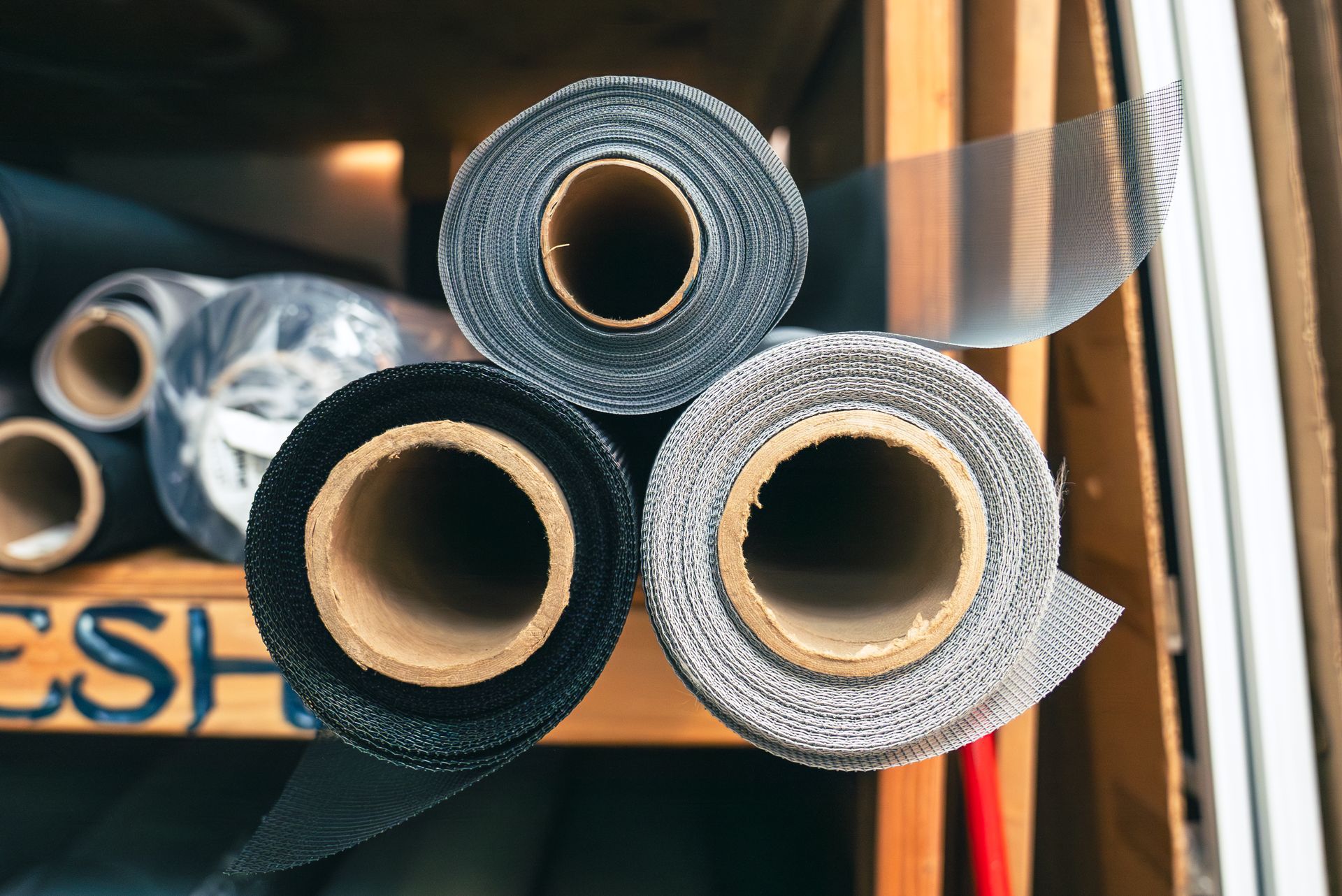
The screen itself does real work. A quality mesh blocks flying insects, filters airborne dust, and reduces direct solar glare without meaningfully restricting airflow or natural light. High-performance mesh options from manufacturers like Phifer, including BetterVue and UltraVue lines, allow for exceptional visibility through the screen while maintaining protection against even the smallest insects.
The cassette housing is where retractable screens distinguish themselves from every fixed alternative. At full retraction, the housing typically measures between 1 and 2 inches wide. On a period door in Hancock Park, that profile sits inside the existing casing without any exterior modification. For homes with existing architectural trim detail, the cassette can often be finished or painted to match.
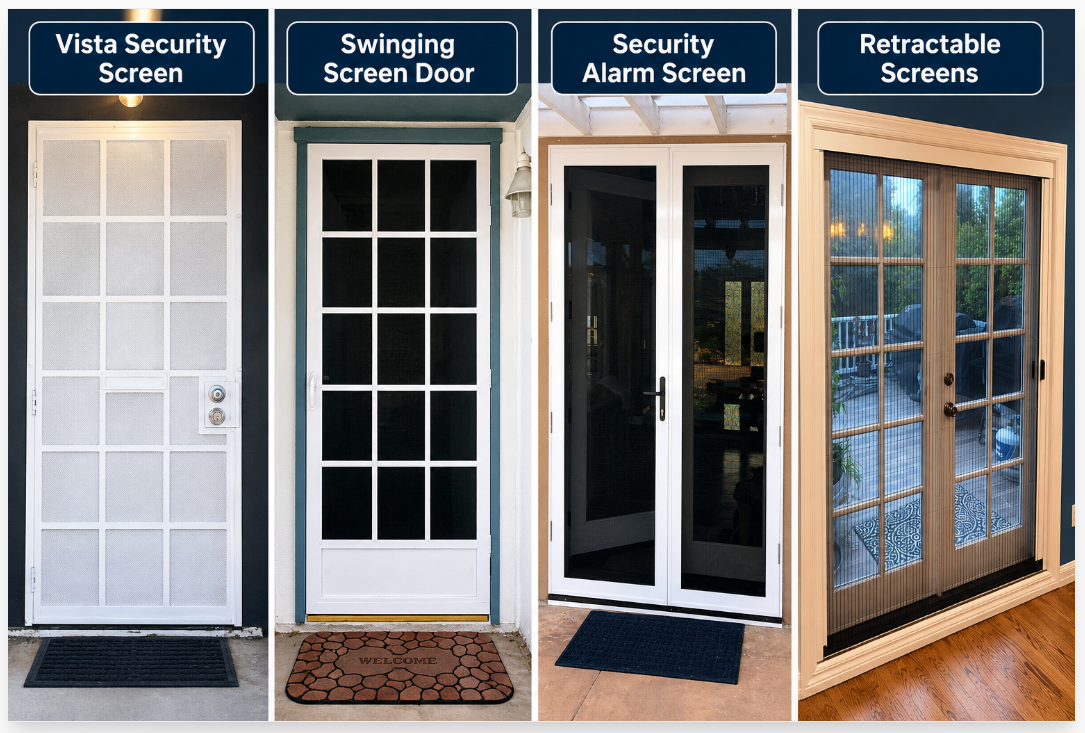
Systems also vary in how they deploy. Single-panel systems are the standard for single-entry doors and work across openings up to approximately four feet wide. Bi-part systems use two panels that meet at the center, making them ideal for French door configurations and wider patio openings. Some systems include a handle or pull cord for smooth deployment. Higher-end models offer motorized operation with optional remote or smart home integration.
The Right System for Every Opening in Your Home
Not every retractable screen system is built for the same application, and choosing the right one is crucial for long-term performance.
Single Entry Doors
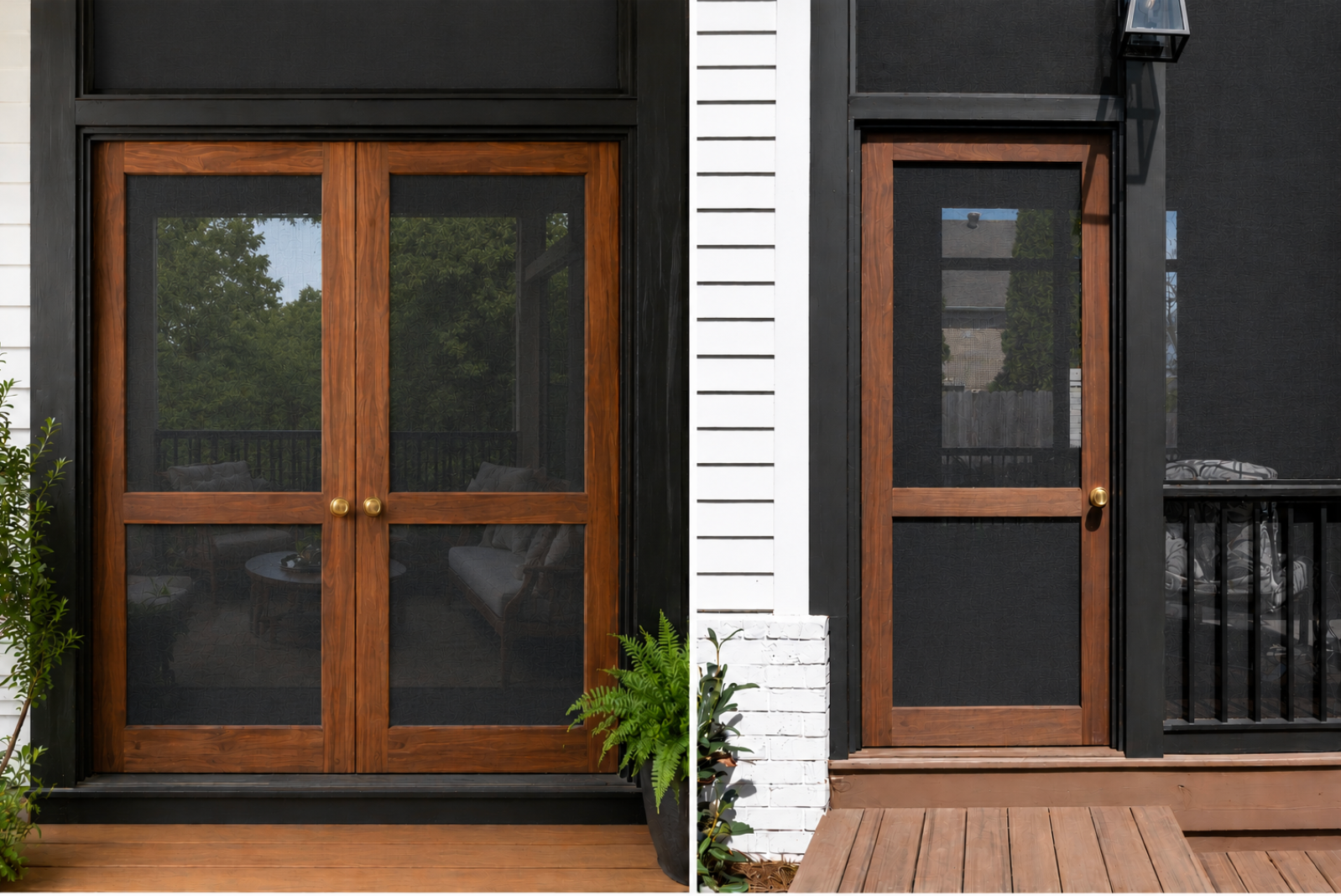
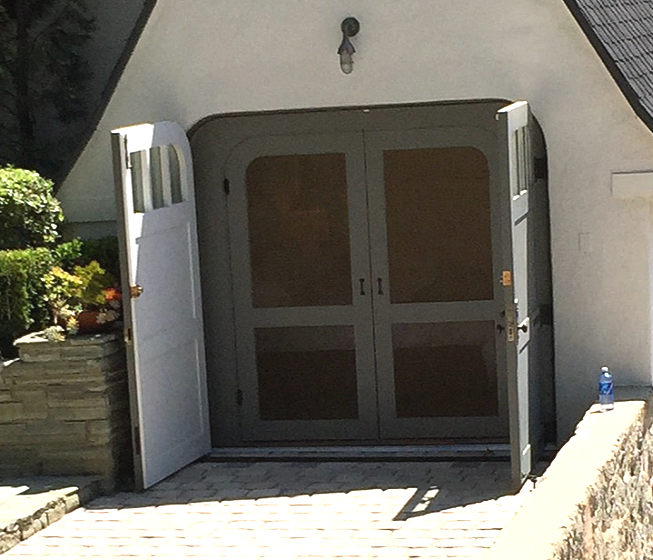
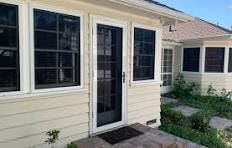
A single-panel cassette system is the cleanest choice for single-entry doors. The screen pulls from one side to the other and retracts fully when the door is closed. This configuration works well for the front entries and side doors common throughout Hancock Park, particularly on Craftsman and Colonial Revival homes, where the entry door is often a focal design feature.
French Doors
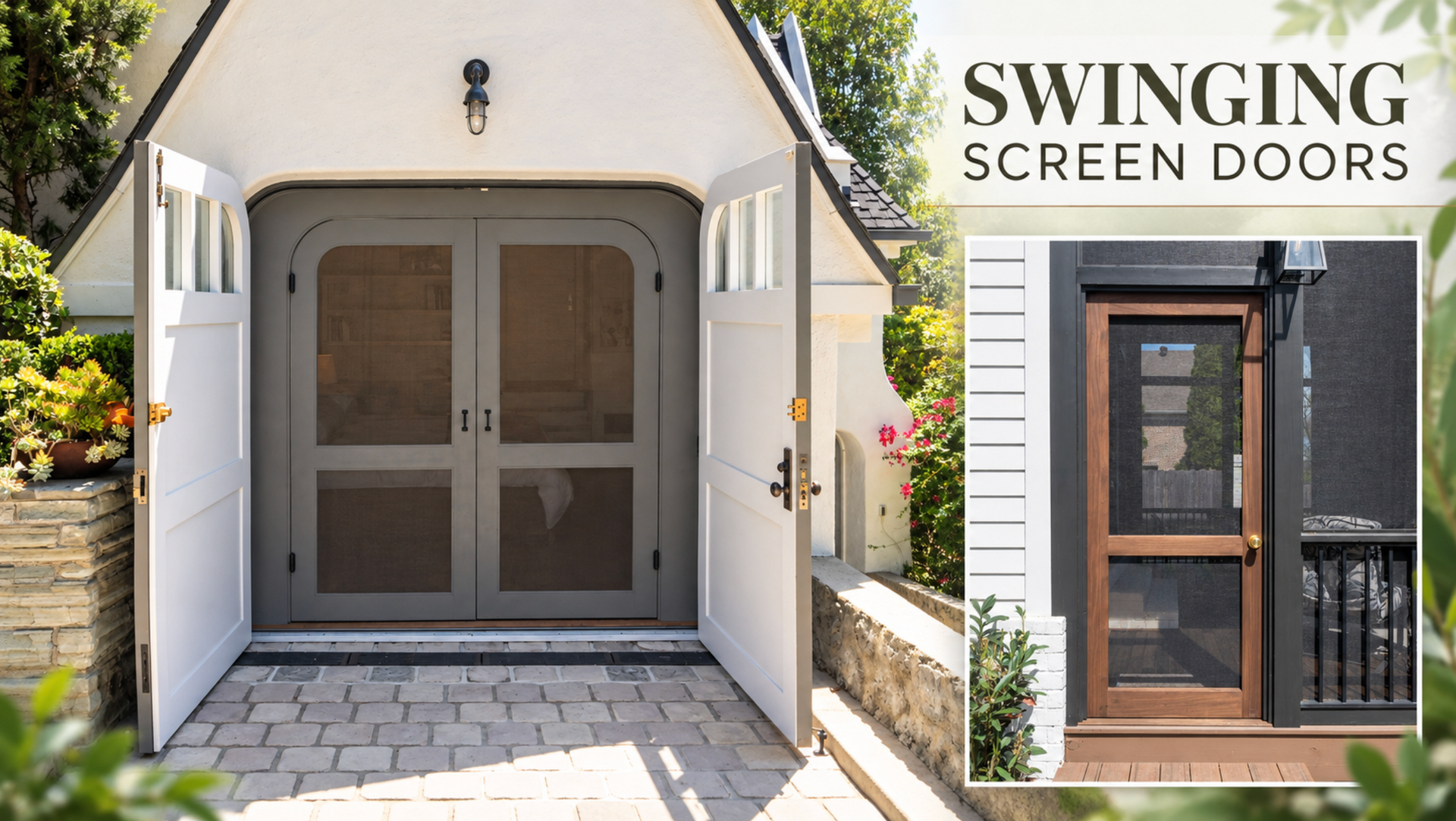
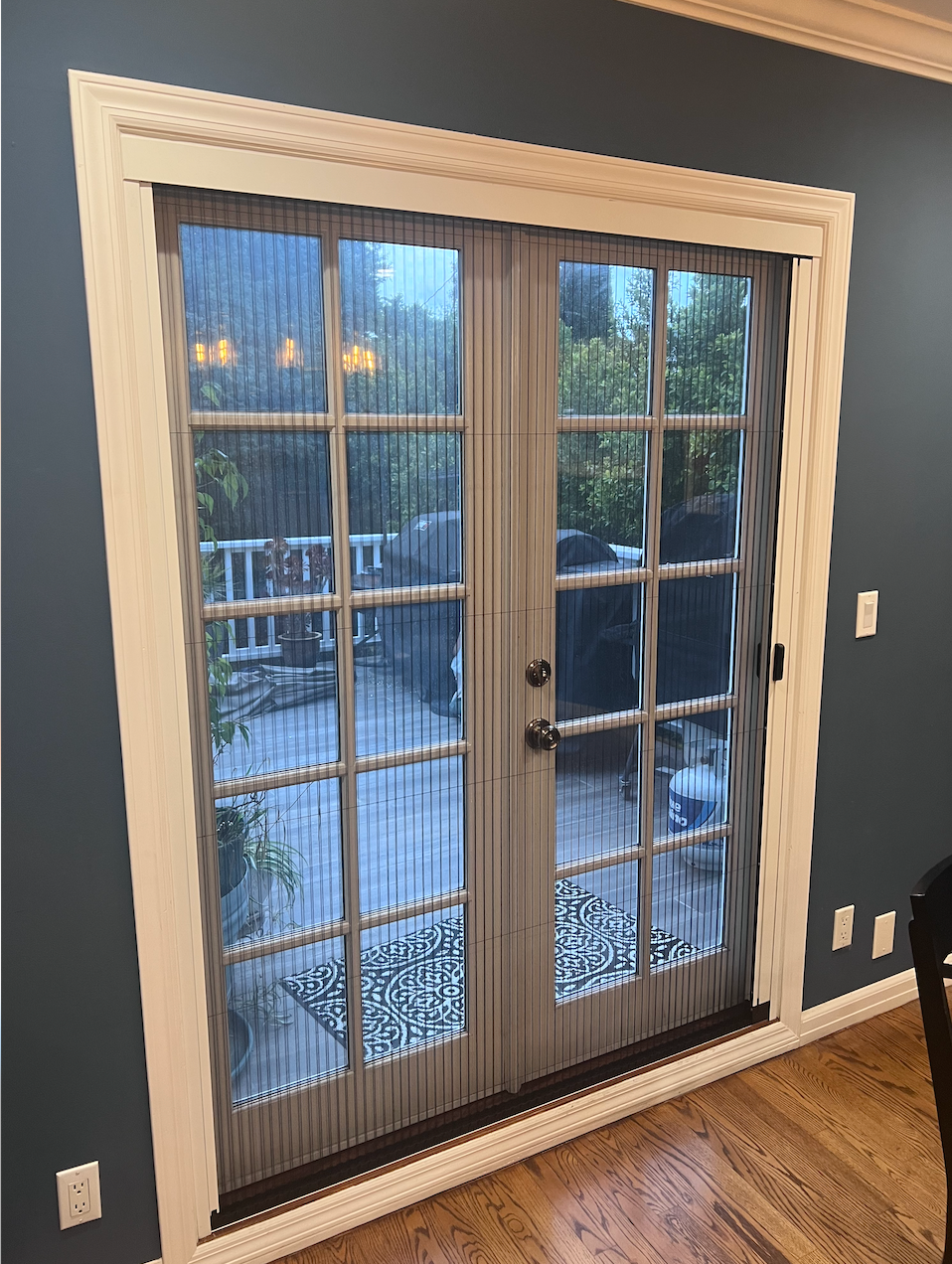
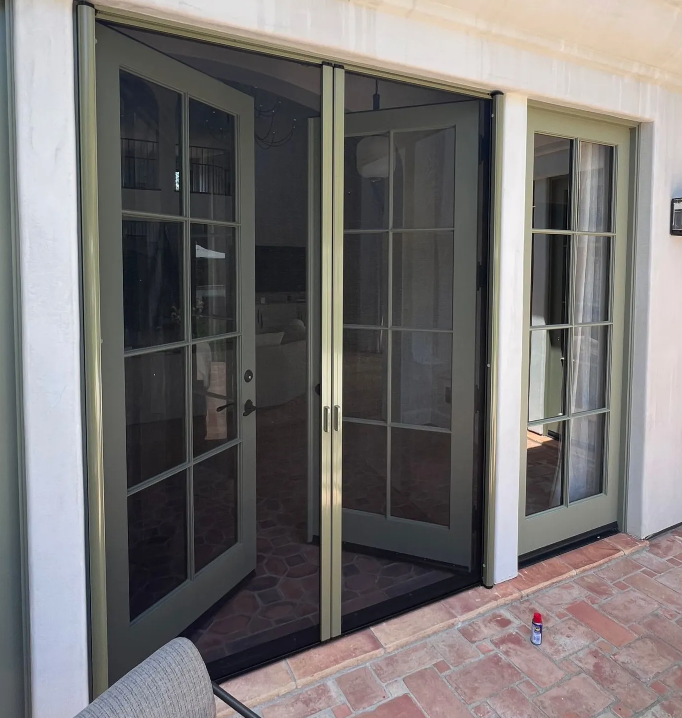
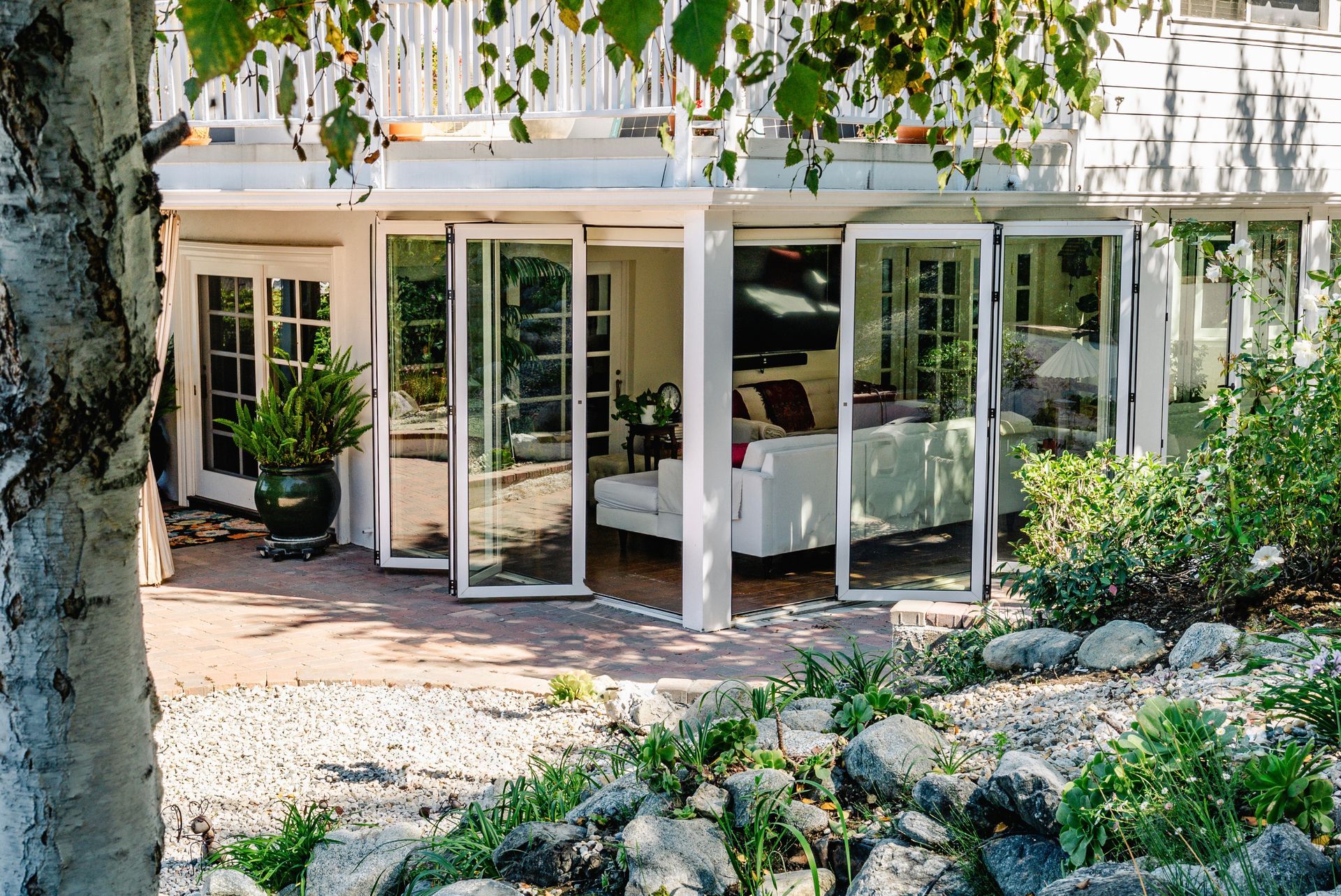
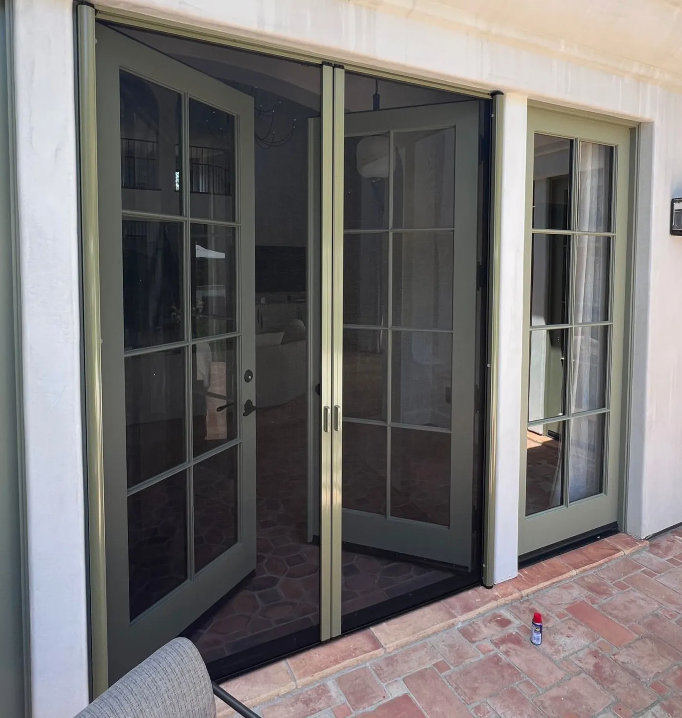
French doors call for a bi-part system. Two panels meet at the center when deployed, covering the full opening without requiring either door to be propped or restricted. When retracted, each panel disappears into its own cassette positioned on either side of the opening. This is among the most popular configurations in Hancock Park because French doors leading to rear gardens and patios are standard in the neighborhood's residential architecture.
Wide Patio Sliders and Multi-Panel Openings
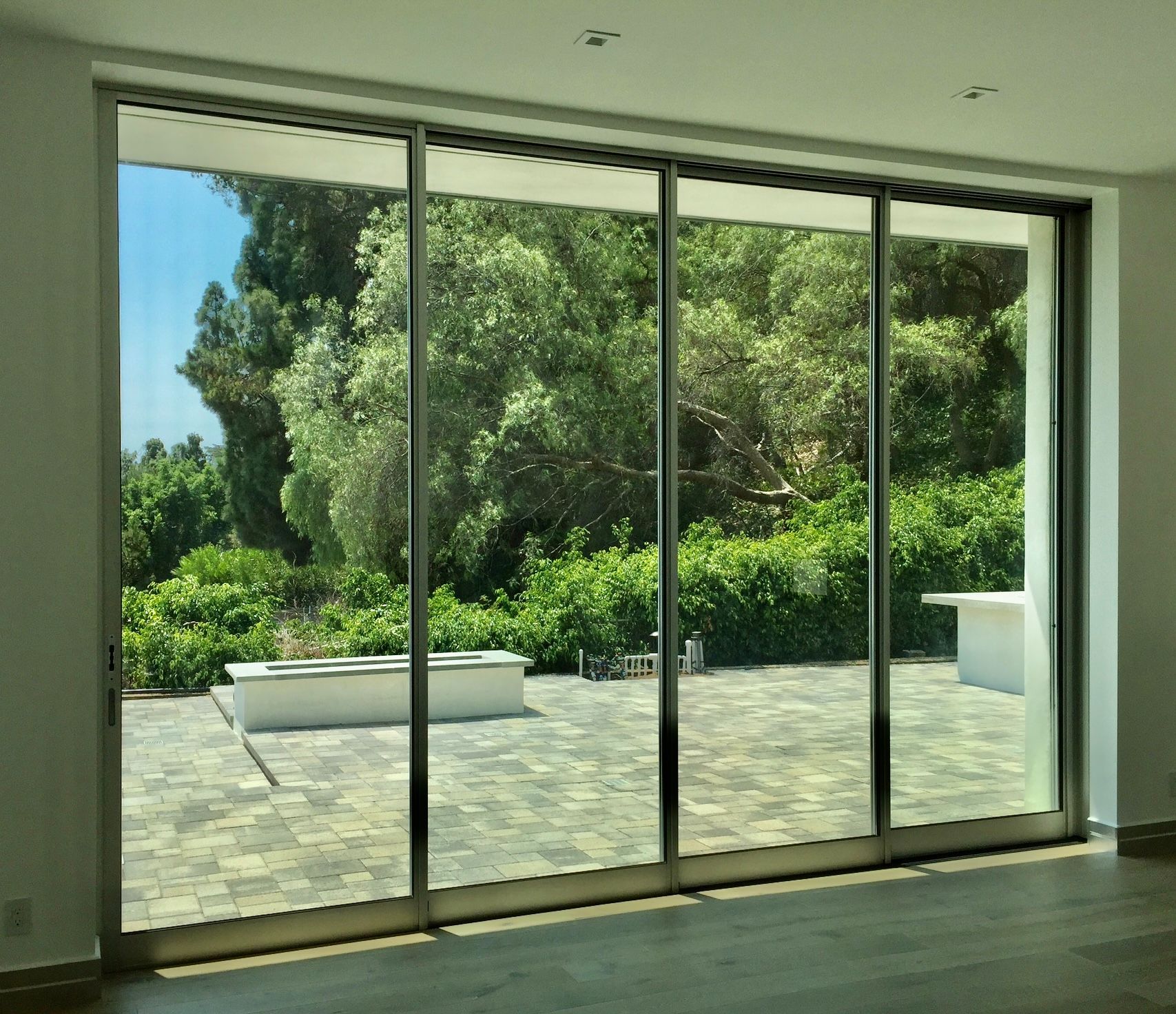
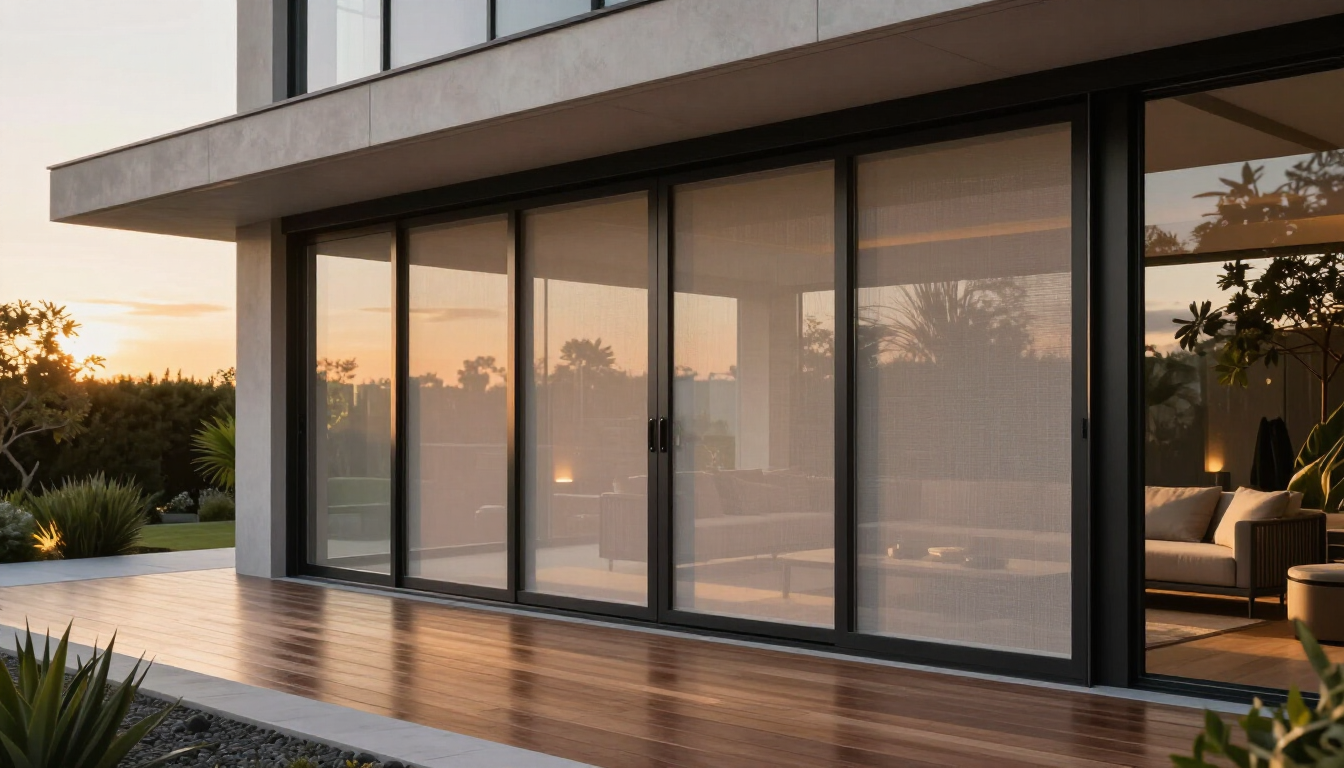
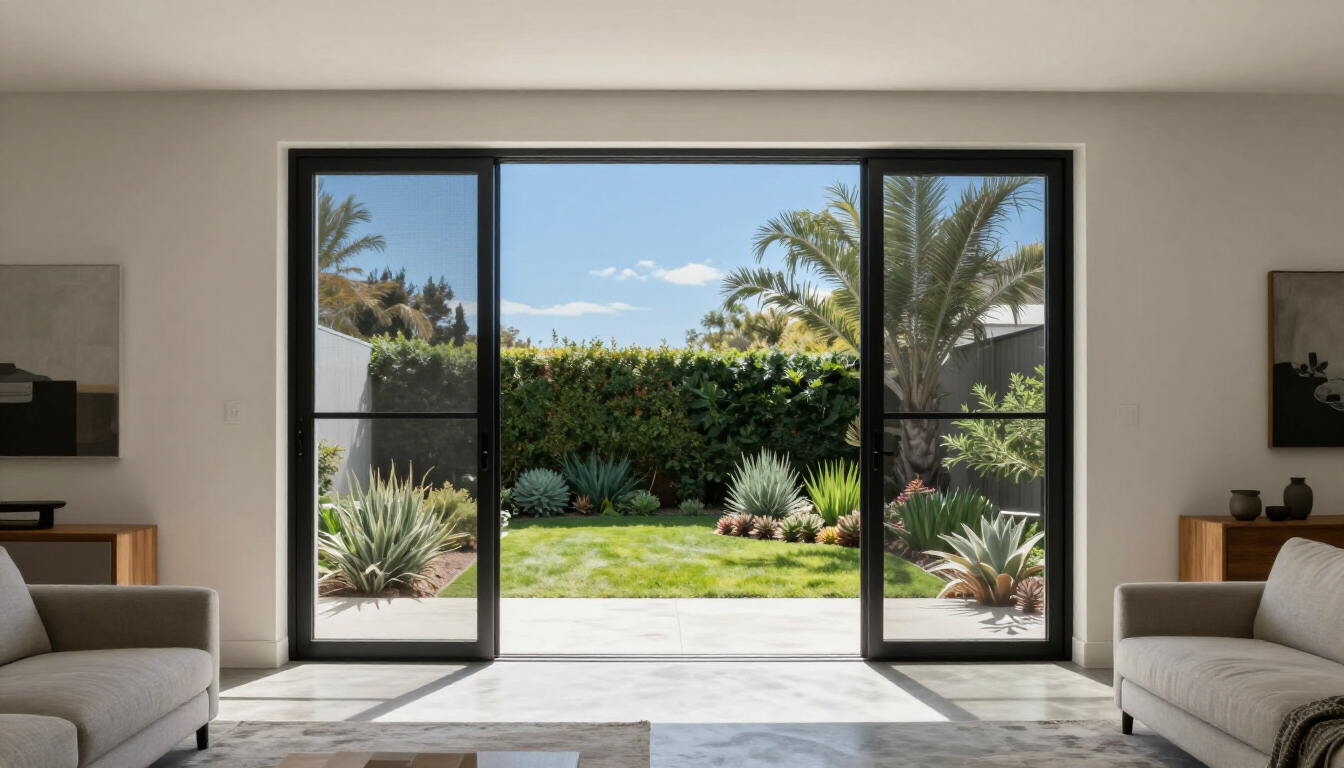
Wide patio sliders and multi-panel door systems require careful measurement and, in some cases, a purpose-built screen track to support the span. Tashman's installation team measures each opening precisely before specifying a system, ensuring the screen glides smoothly without bowing, binding, or losing tension over time.
Rollaway retractable screen systems are among the most requested by homeowners in this part of Los Angeles. Their cassette design is particularly well-suited to retrofit applications where the existing casing must be preserved, which describes the majority of Hancock Park's housing stock.
Retractable Screens and Hancock Park Historic Properties
Historic properties in Hancock Park come with a specific set of considerations that most screen vendors are not equipped to handle. The HPOZ guidelines that govern exterior changes in this neighborhood are not suggestions. They are enforced, and any deviations can result in compliance orders requiring reversals at the homeowner's expense.
Tashman Home Center has worked in HPOZ zones throughout Los Angeles for decades. Their team understands what the guidelines require for exterior attachments, which cassette profiles are appropriate for different architectural styles, and how to document installations for review boards or property managers. That level of institutional knowledge is not common in the screen industry.
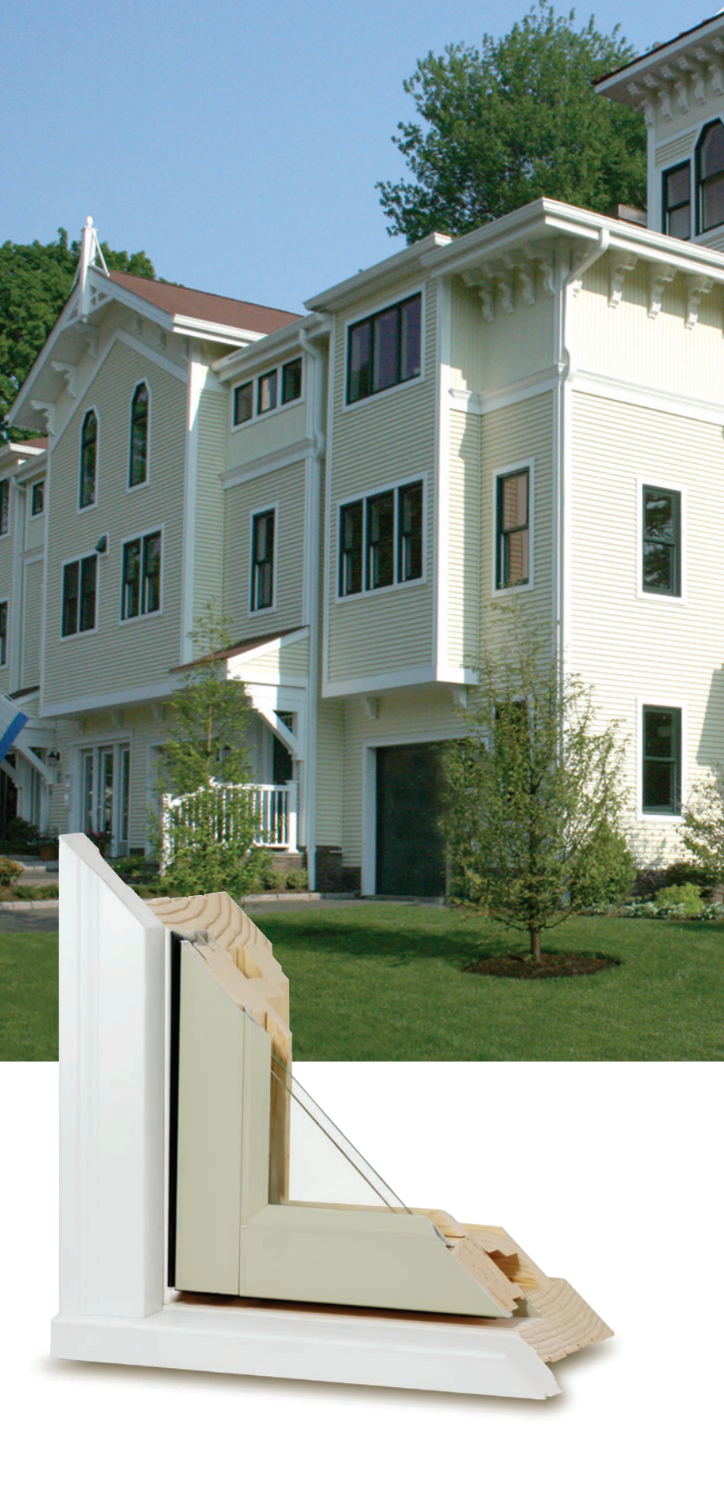
For homeowners with original wood windows, the installation approach is equally important. Drilling into historic window frames requires precision and experience to avoid structural damage. Tashman's installers are trained in these applications and bring the appropriate hardware for each type of opening.
As noted in recent press coverage on open-air living for Los Angeles homeowners, Tashman has positioned itself as the go-to resource for properties where solutions must be both functional and architecturally appropriate. That reputation extends directly to Hancock Park, where historic integrity and daily comfort matter equally.
What to Expect from Professional Retractable Screen Installation
A professional retractable screen installation follows a clear and predictable process. Understanding what is involved helps homeowners plan appropriately and sets realistic expectations for the project timeline.
Consultation and Measurement
The process begins with a site visit to measure each opening. Retractable screen systems are not off-the-shelf products. Every cassette and mesh panel is specified to the exact dimensions of the opening, including width, height, and clearance within the door casing. During the consultation, the installer will also assess the condition of the frame, the mounting surface, and any HPOZ or HOA documentation that may be required.
Product Selection
Once measurements are complete, the homeowner selects the system type, mesh specification, cassette finish, and any hardware options. Mesh choices typically include standard insect screen, fine-mesh options for smaller insects, solar-control options that reduce glare, and pet-resistant weaves for households with cats or dogs. Cassette finishes are available in a range of standard colors and can often be matched or powder-coated to align with existing door hardware.
Fabrication and Lead Time
Because systems are custom-fitted, there is a fabrication period between order and installation. Lead times vary depending on the system and the volume of orders in progress. Homeowners planning for peak summer use are well served by scheduling early in the spring season.
Installation Day
Installation is typically completed in a single visit. Tashman's team arrives in uniform, protects surrounding surfaces, mounts the cassette and track hardware, attaches the mesh panel, tests the deployment and retraction through multiple cycles, and cleans the work area before leaving. Most single-door installations are complete within an hour. French door and multi-opening projects take longer but are still typically finished within a single appointment.
How Tashman Home Center Serves Hancock Park
Tashman Home Center has operated from its West Hollywood location on Santa Monica Boulevard since 1961. More than six decades of continuous operation in the Los Angeles market have produced an installation team and product selection that reflect the specific demands of the neighborhoods they serve, including Hancock Park, Los Feliz, Silver Lake, and the surrounding historic preservation corridor.
Every retractable screen installation is handled by Tashman's in-house crew. These are trained, background-checked installers who work directly for the company rather than through a subcontracting arrangement. That distinction matters for consistency, accountability, and the quality of communication during the project.
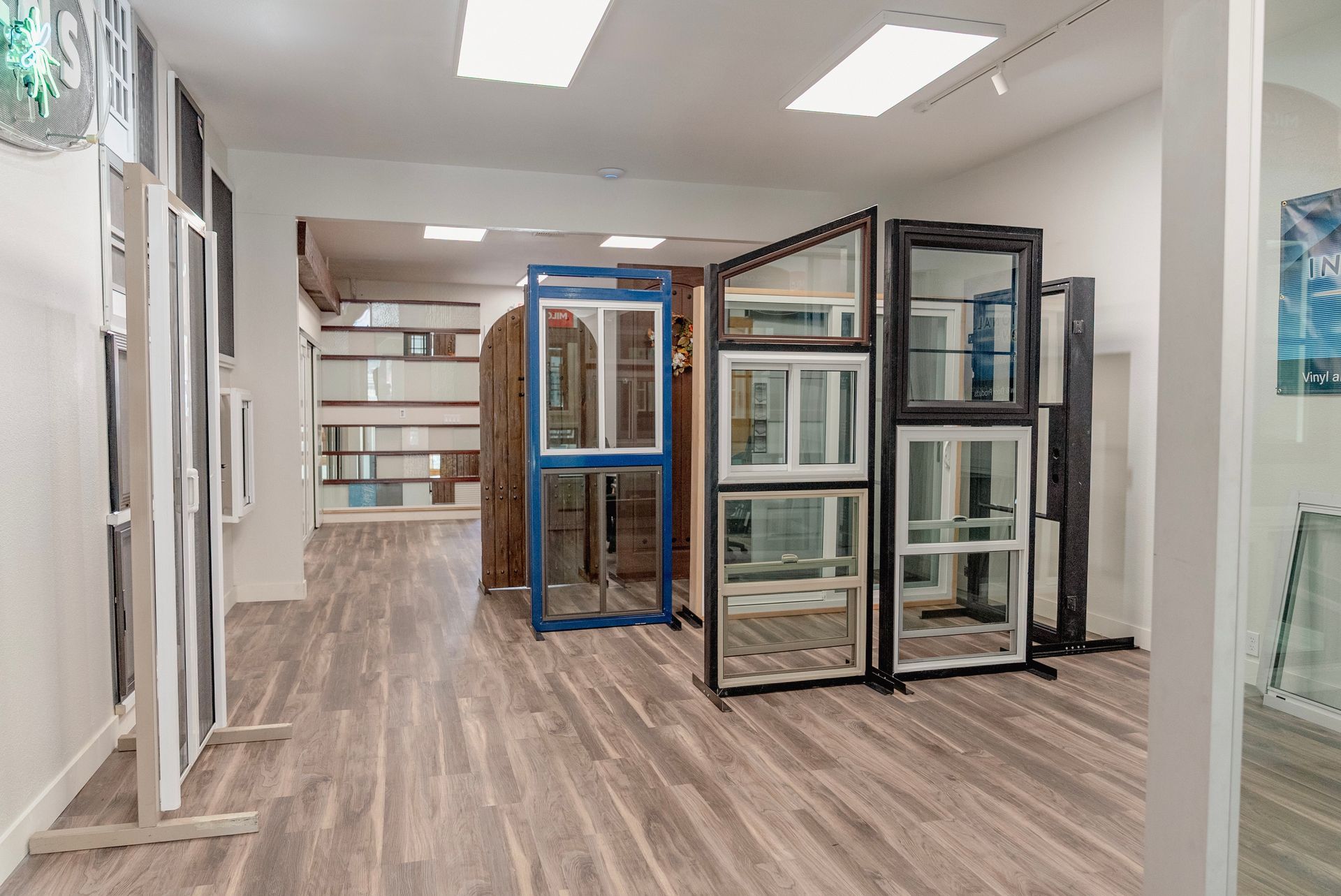
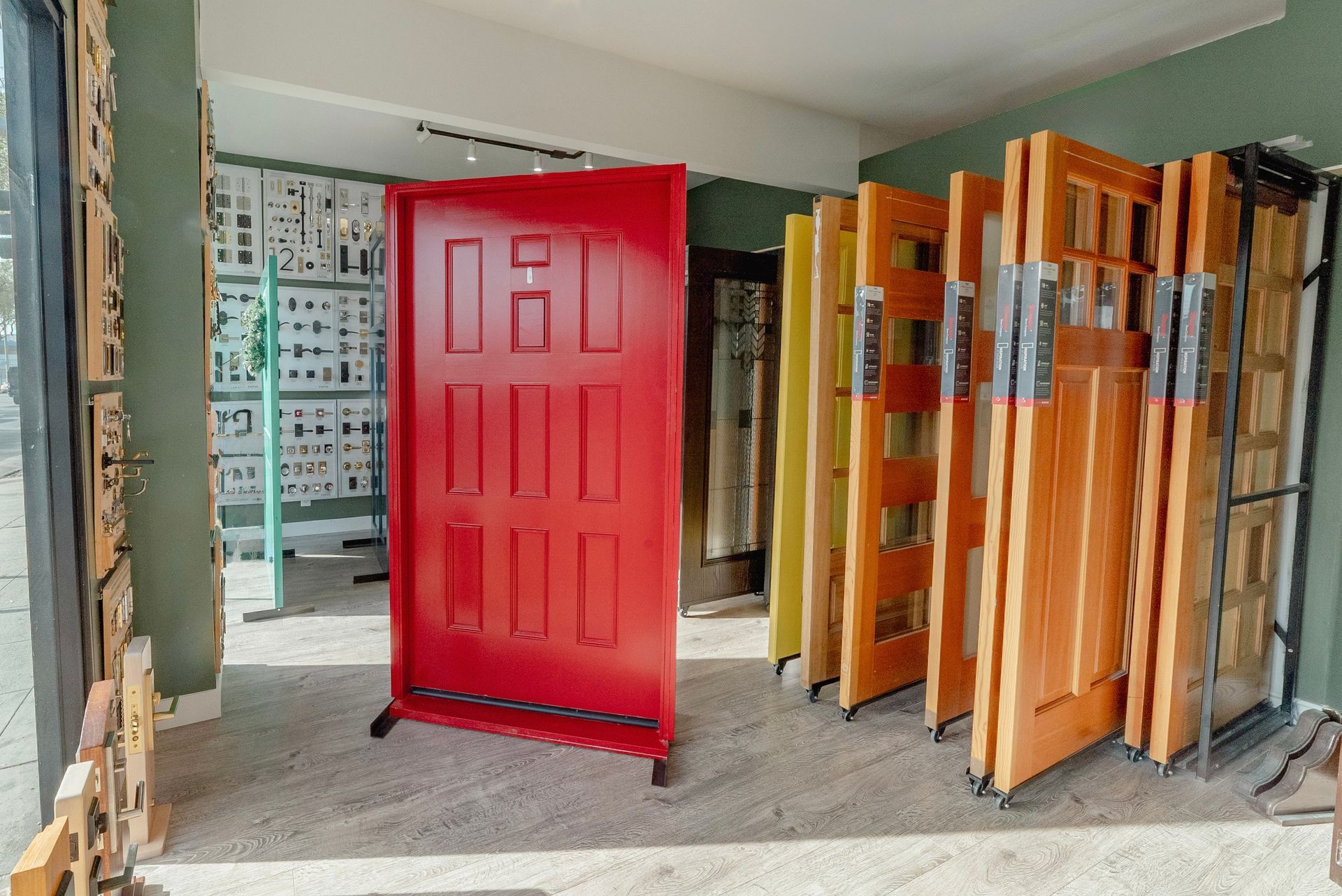
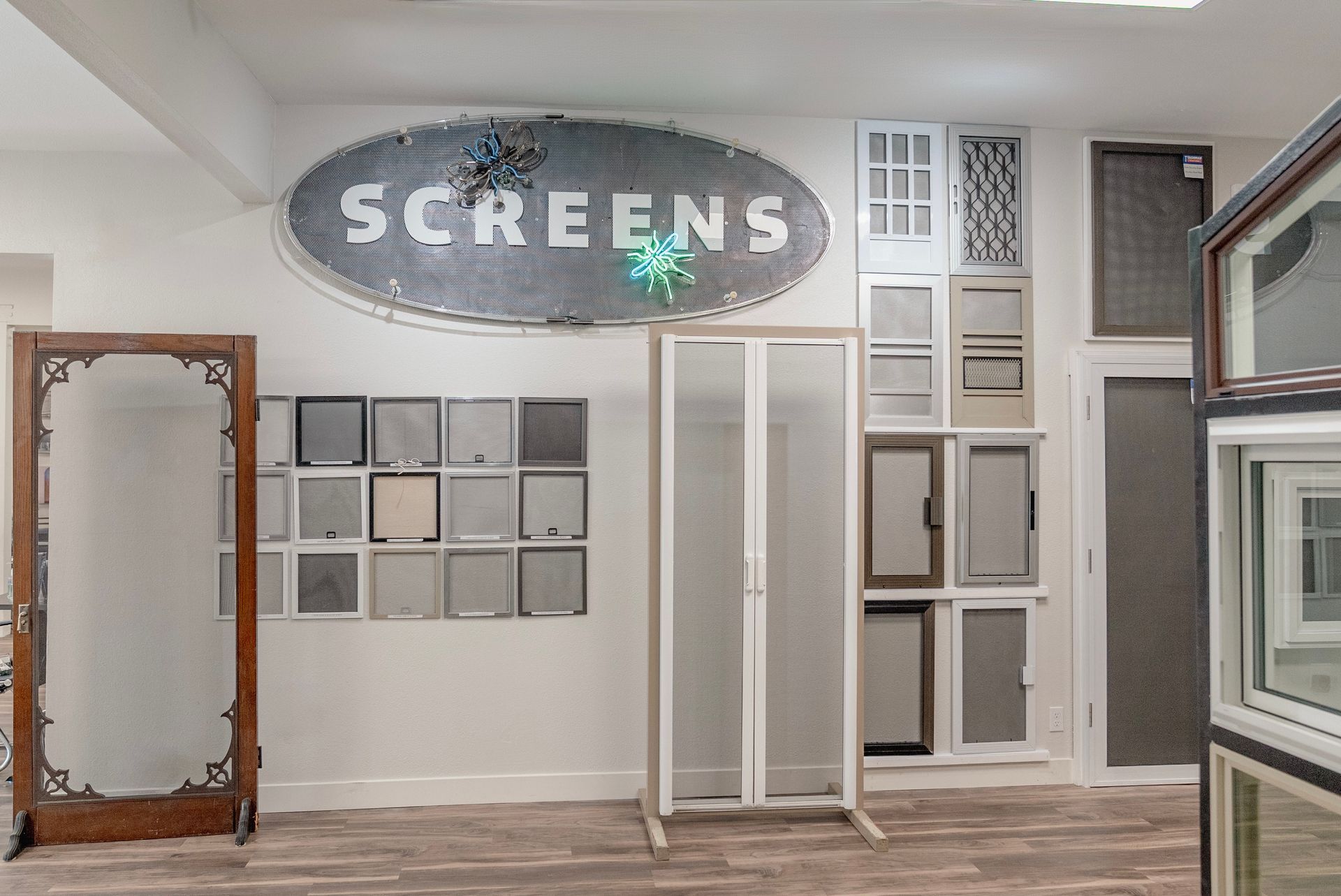
Tashman's West Hollywood showroom allows Hancock Park homeowners to see screen systems, mesh options, and cassette profiles in person before making a selection. The showroom is open to homeowners, architects, and contractors, and functions as a working reference for anyone who wants to understand how a particular system will look and operate before committing.
For homeowners who prefer an in-home consultation, Tashman also sends team members to measure openings and review options on site. This approach is particularly useful for properties with complex configurations, multiple openings, or any situation in which HPOZ documentation is required.
You can explore all available custom retractable screen systems on the Tashman website, including configurations for single doors, French doors, patio sliders, and casement windows throughout the Hancock Park area. California Contractor License No. 298720.
Schedule Your Free Consultation for Retractable Screens in Hancock Park
Hancock Park homeowners who want fresh air without fixed screens, visible frames, or historic preservation complications have a clear path forward. A retractable screen installation from Tashman Home Center addresses all of those concerns in a single project.
Whether you need a system for a single entry door, a pair of French doors leading to your rear garden, or multiple openings as part of a full renovation, Tashman provides a process that begins with accurate measurement and ends with a system that functions correctly from the first use.
To learn more about retractable screen installation for Hancock Park homes, visit the Tashman service page or stop by the West Hollywood showroom at 7763 Santa Monica Boulevard.
To
schedule a free consultation, contact Tashman Home Center directly. Their team is available to answer questions, review your openings, and provide a written estimate for any configuration. Call
(323) 676-0700.
Frequently Asked Questions About Retractable Screens in Hancock Park
Are retractable screens allowed in Hancock Park HPOZ properties?
Yes, in most cases. Retractable screens are generally HPOZ-compliant because they do not permanently alter the appearance of the door or window from the exterior. When fully retracted, the cassette housing is the only visible addition and it is typically mounted within the existing door casing. Tashman can help prepare any documentation required for an architectural review submission.
How much do retractable screens cost for a Hancock Park home?
Retractable screen pricing in the Los Angeles area typically ranges from approximately $400 to $1,200 per opening, depending on the size of the opening, the system type, and the mesh specification. Single entry doors fall toward the lower end of that range. French door bi-part systems and motorized configurations fall toward the higher end. Tashman provides free in home estimates so homeowners have accurate numbers before committing.
How long do retractable screens last?
A properly installed retractable screen system in Los Angeles should last between eight and fifteen years with normal use. The cassette housing and roller mechanism are the most durable components. The mesh itself can be replaced without replacing the full system if it is damaged. Regular cleaning of the track and cassette extends the life of the mechanism significantly.
Will a retractable screen work on an original wood door frame?
Yes, but installation requires care. Older wood frames may have minor warping or dimensional variation that affects how the screen track aligns. Tashman's installers are experienced with historic frame conditions and use appropriate hardware to ensure a secure, clean installation without damaging the original material.
What mesh options are available for retractable screens?
Standard insect mesh, fine mesh for smaller insects, solar control mesh that reduces glare and heat gain, and pet resistant weaves are all available. Phifer mesh products, including BetterVue, UltraVue, and PetScreen options, are among the most commonly specified for Hancock Park installations. The right choice depends on the opening, the household, and the primary purpose of the screen.
Can retractable screens be installed on windows as well as doors?
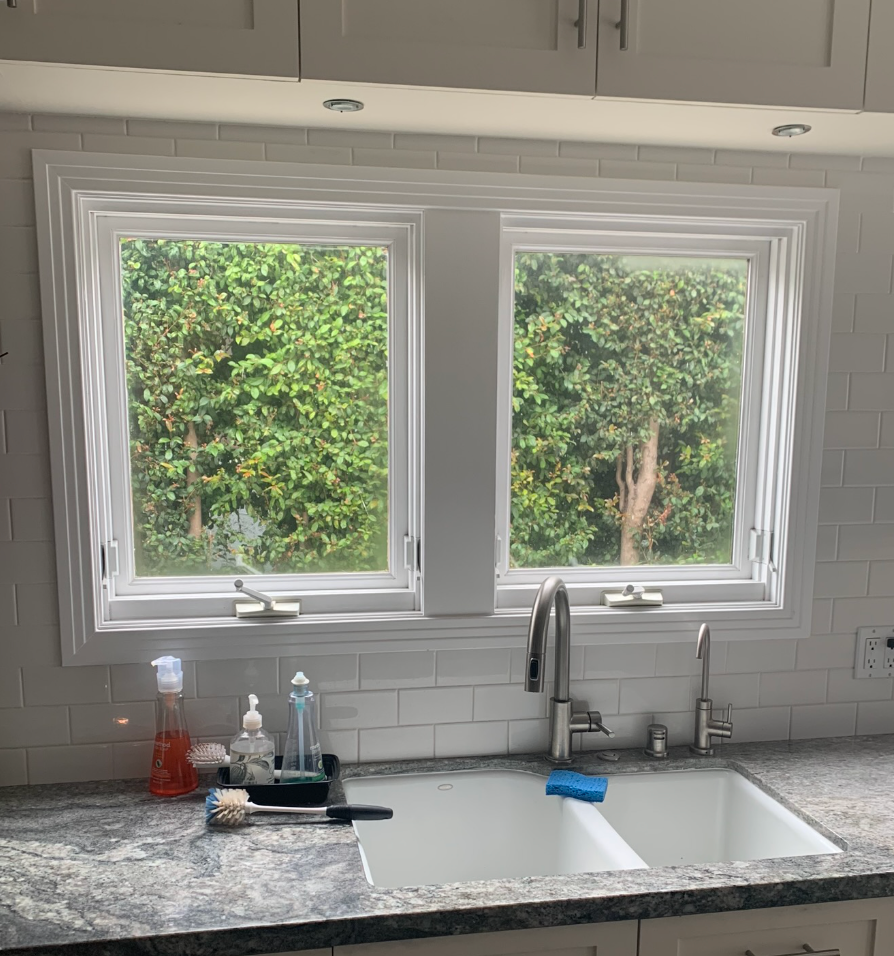
Yes. Retractable screens are available for casement windows, double hung windows, sliding windows, and fixed openings with awning operators. Window applications use a narrower cassette profile and are particularly common in Hancock Park's historic Craftsman and Colonial Revival homes, where maintaining clean sightlines through original windows is a priority.
How do retractable screens handle wind?
Quality retractable screen systems include tensioning mechanisms that keep the mesh panel stable and prevent billowing in light winds. For openings that regularly experience stronger airflow, Tashman's team can recommend systems with reinforced mesh and track guides that hold the panel steady under wind loading. This is worth discussing during your consultation if wind conditions are a regular concern at your property.
Tashman Home Center Blog
Taylor Ann Hancock is the Owner of Glass Mama Marketing and a recognized expert in the residential and commercial glass industry. With deep, hands-on exposure to how glaziers operate, price work, and compete in today’s market, Taylor offers practical, experience-driven insight shaped by the realities of the glass industry, not theory.
About the Author