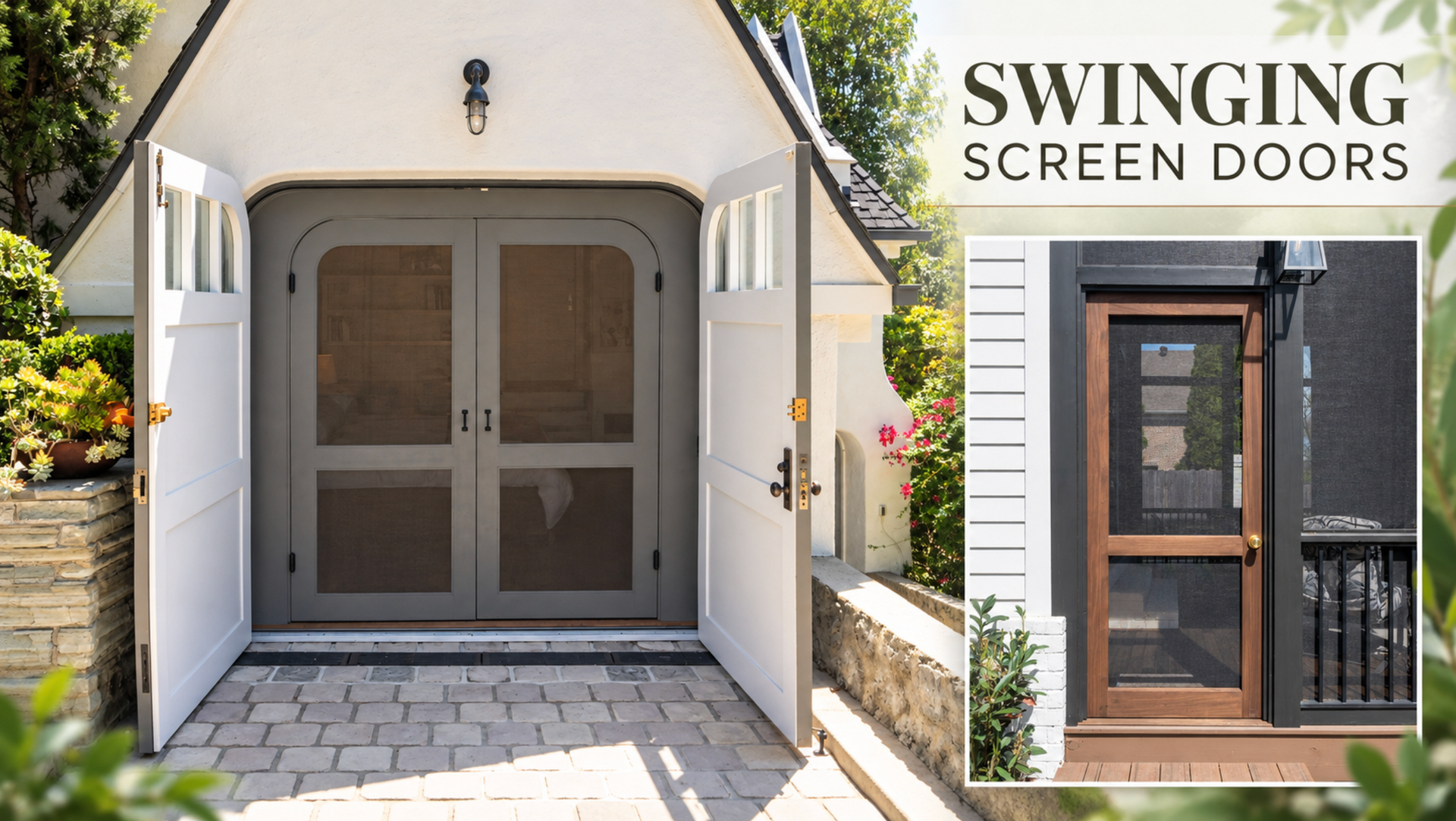
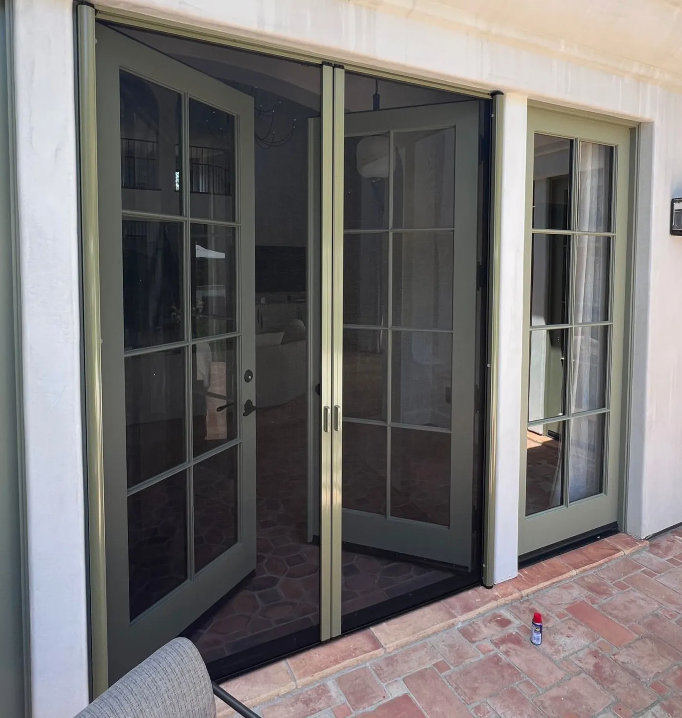
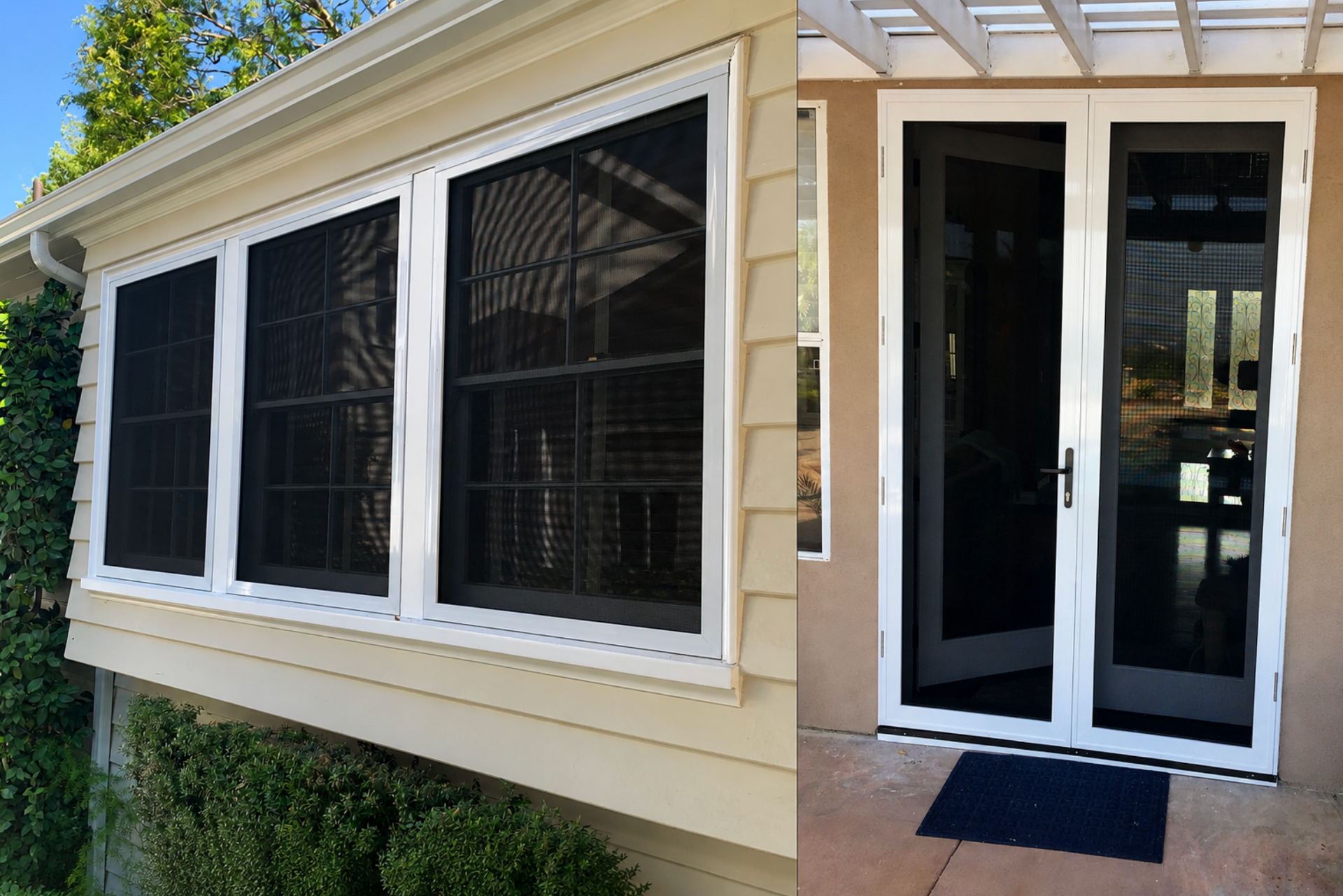
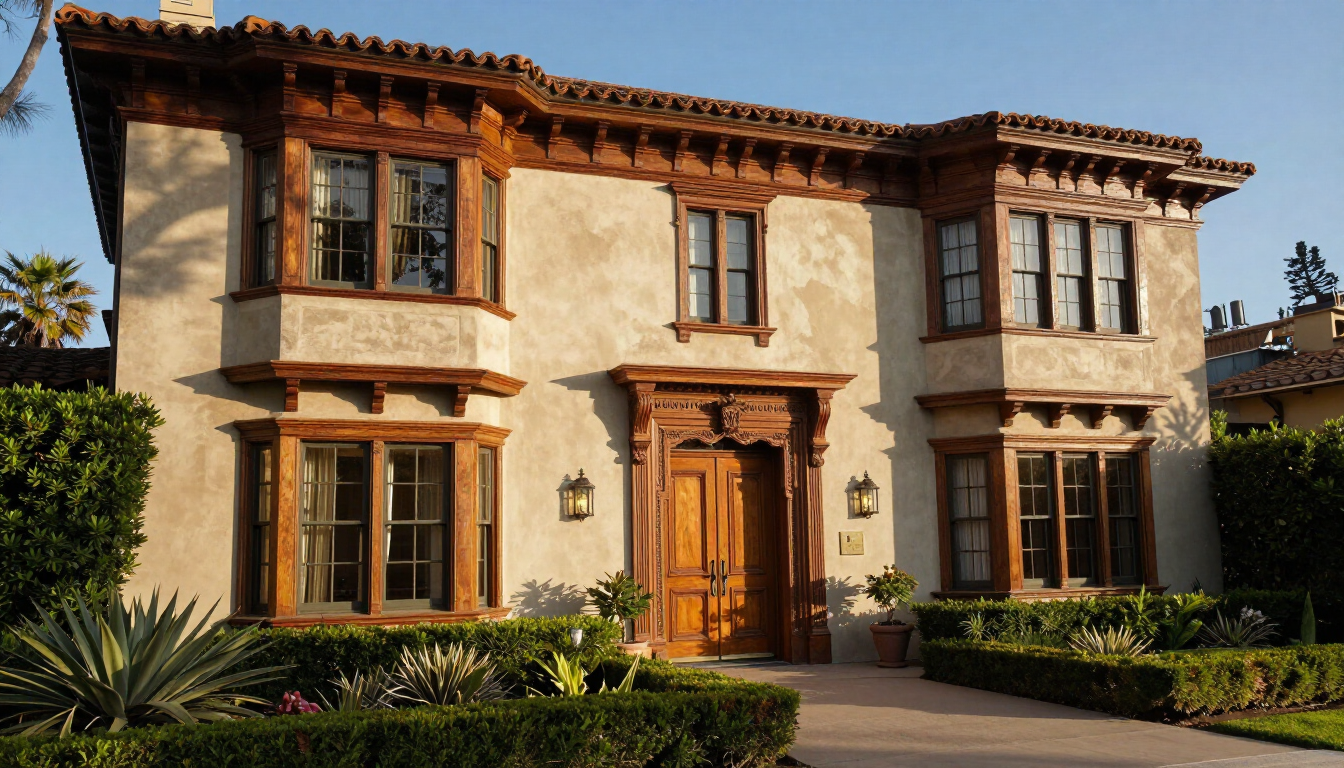
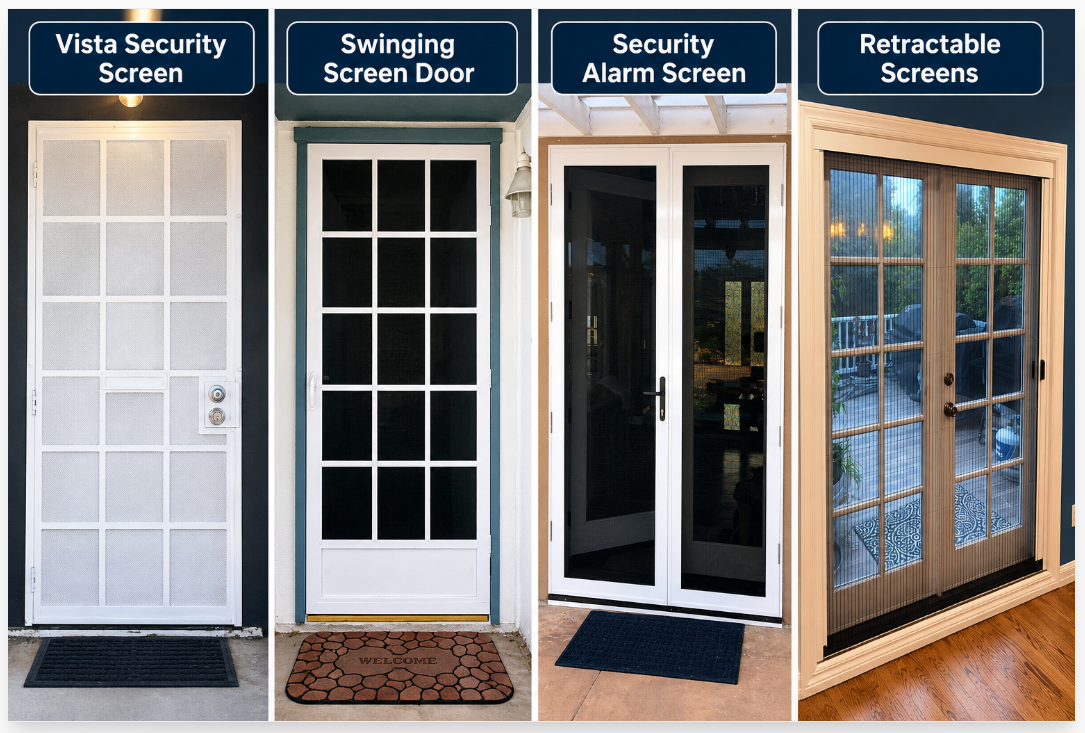
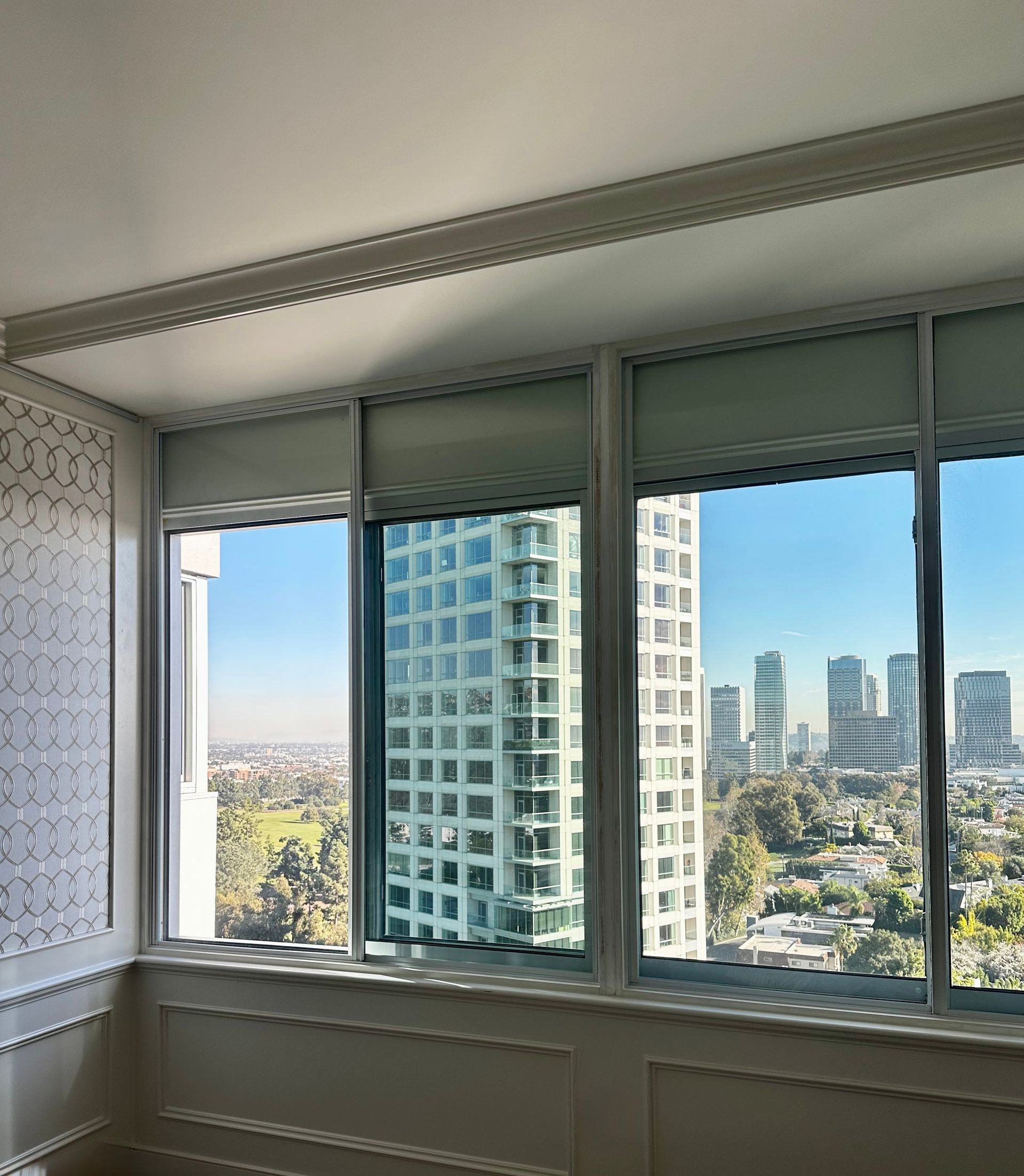
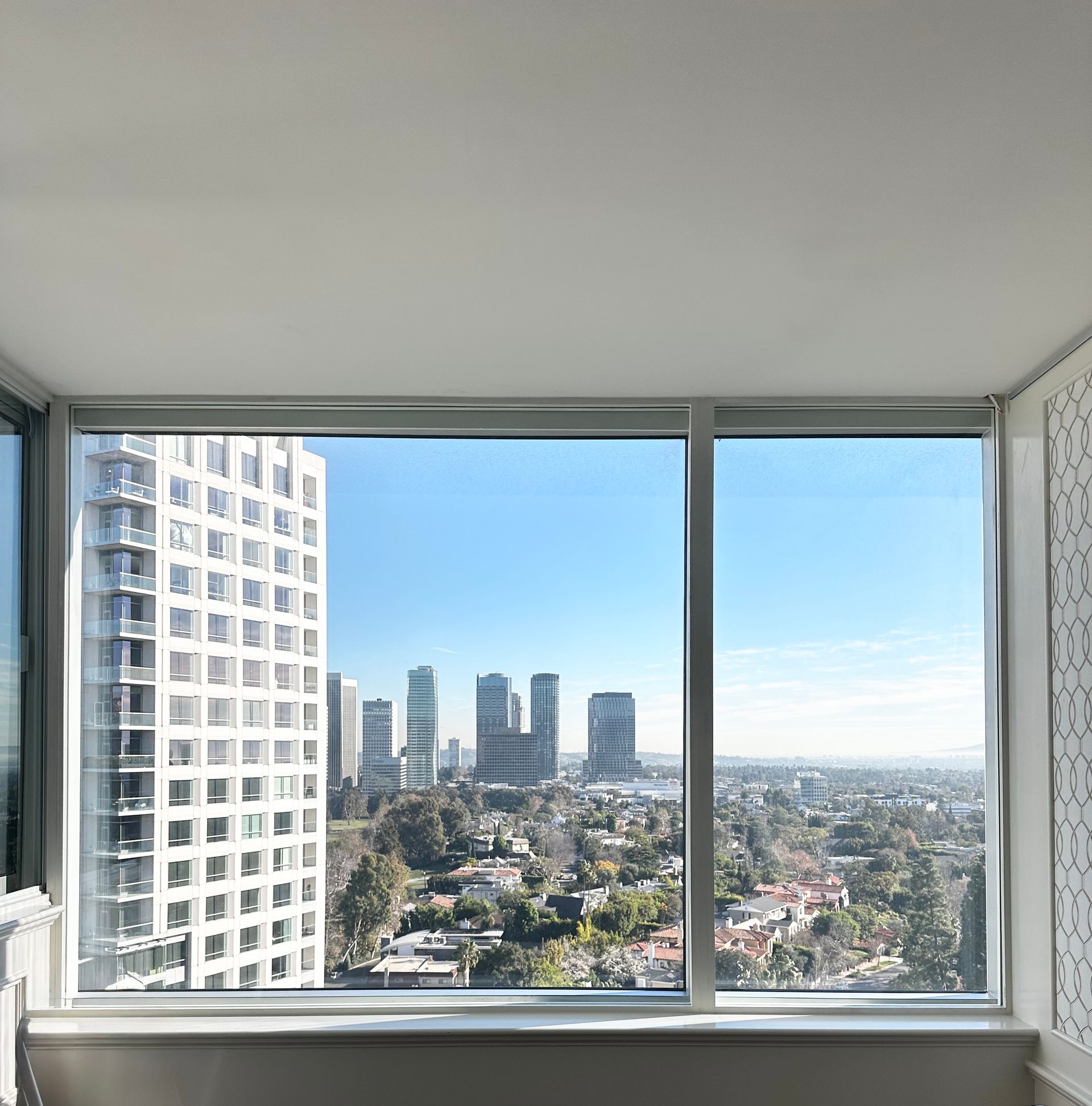
There is a specific kind of tired that comes from living in Los Angeles. It is not the tired that one good night of sleep fixes. It is the slow build that comes from waking at two in the morning to a motorcycle on Sunset Boulevard, from taking a client call over the sound of a leaf blower next door, from lying in a beautiful bedroom and listening to the 101 hum through the glass. Homeowners across the city describe it in almost identical language. The house is lovely. The house is well built. The house is loud.
Noise is a solvable engineering problem, and the fix almost always begins at wall openings. Windows and doors are the thinnest and weakest points in any exterior envelope, which is why properly installed
soundproof doors in Los Angeles produce a larger drop in perceived noise than nearly any other single change a homeowner can make. Walls do their job. Roofs do their job. Glass and door slabs are where the sound gets in, and glass and door slabs are where the problem gets solved.
This guide explains how soundproofing works, what the ratings mean, what the two main installation approaches look like in a real Los Angeles home, what the work costs, and how to tell a serious local soundproofing contractor from a company selling ordinary replacement windows with a quiet-sounding name.
Why Los Angeles Noise Is Its Own Category of Problem
Every city is loud in its own way. Los Angeles is loud in several ways at once, and the mix is what makes it difficult to hear.
Traffic noise here is constant rather than intermittent. Homes along Wilshire Boulevard, Santa Monica Boulevard, La Cienega, Beverly Boulevard, and the corridors feeding the
101 and the
405 never get the deep overnight lull that quieter cities experience. Air traffic adds a second layer, with approach paths over Westchester, Playa del Rey, Culver City, and parts of the Westside carrying low-frequency aircraft rumble that ordinary glass barely touches. Construction and remodeling activity add a third layer, and in neighborhoods like Beverly Grove, Hancock Park, and Sherman Oaks that activity can run for years on a single block.
Then there is the housing stock itself. A large share of the most desirable homes in Los Angeles were built between
1910 and
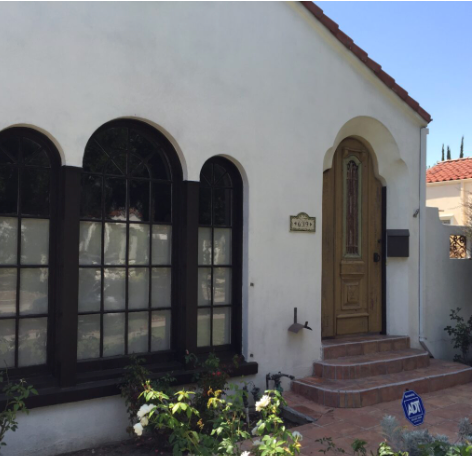
1960. Spanish Colonials in Los Feliz, Craftsman bungalows in Highland Park, period homes in Hancock Park, and postwar residences in Encino and Sherman Oaks were built with single-pane glass in wood sash, often with weight-and-pulley balances and generous air gaps around the frame. Those windows are beautiful. They also let sound pass almost unimpeded.
Low-frequency noise is the aspect most homeowners underestimate. Bass-heavy sound from buses, trucks, motorcycles, and aircraft travels farther and passes through assemblies more easily than speech or birdsong. This is why a homeowner can install brand-new dual-pane windows, feel a real improvement in temperature and drafts, and still hear the boulevard. Thermal and acoustic performance are two distinct engineering targets, and standard replacement glass is designed for the former.
How Soundproofing Performance Is Measured: STC, OITC, and What the Numbers Mean
Sound Transmission Class, abbreviated as
STC, is the standard laboratory measurement used to compare how effectively an assembly stops airborne noise. It is defined under
ASTM test methods and is expressed as a single number. Higher is better.
The scale is logarithmic, which is the detail most product pages skip. Moving from an
STC of
28 to
38 represents roughly a
90 percent reduction in perceived noise. Moving from
28 to
43 represents better than a
95 percent reduction. Small movements in the number represent large movements in what your ears experience.
Here is how common assemblies compare in practice.
- A single-pane wood sash window typically tests at around
STC
26-28.
- A standard dual-pane replacement window typically tests around
STC
28 to
32.
- A window made with laminated acoustic glass can achieve an
STC rating of
35 or higher.
- An older louvered or jalousie window can test below
STC
18, which is close to leaving the opening open.
Outdoor Indoor Transmission Class, abbreviated as
OITC, is the second number to ask about.
STC weights the frequencies of human speech.
OITC weights low-frequency sound from traffic, aircraft, and heavy equipment. For a home on a busy Los Angeles corridor, OITC is often the more honest predictor of how the room will feel at rush hour.
Any contractor quoting a soundproofing project should be able to provide both numbers for the proposed assembly. A company that cannot produce a rating is selling a feeling rather than a specification.
Where the Sound Is Really Getting In
Glass gets the attention, and glass matters. It is rarely the whole story.
- Gaps around the frame carry sound the way an open pipe carries water, and a small unsealed perimeter can undo an expensive glass package.
- Door bottoms are the single most common source of leaks in a home because the gap under a standard slab is a direct path for street noise.
- Hollow-core interior doors offer little mass, which is why a home office or bedroom can feel loud even when the exterior windows perform well.
- Old weight pockets in historic wood sash windows are open cavities within the wall that channel sound entirely around the glass.
- Mail slots, pet doors, and unsealed penetrations act as small acoustic bypasses regardless of the window's rating.
This is why installation quality carries as much weight as product selection. A high-rated assembly installed with a
sloppy perimeter will underperform a modest assembly installed correctly.
The Two Ways to Quiet a Los Angeles Home
There are two legitimate paths to a quieter interior. The right one depends on the building, the level of noise, and what the homeowner is willing to change about the house's appearance.
Interior Soundproofing Systems
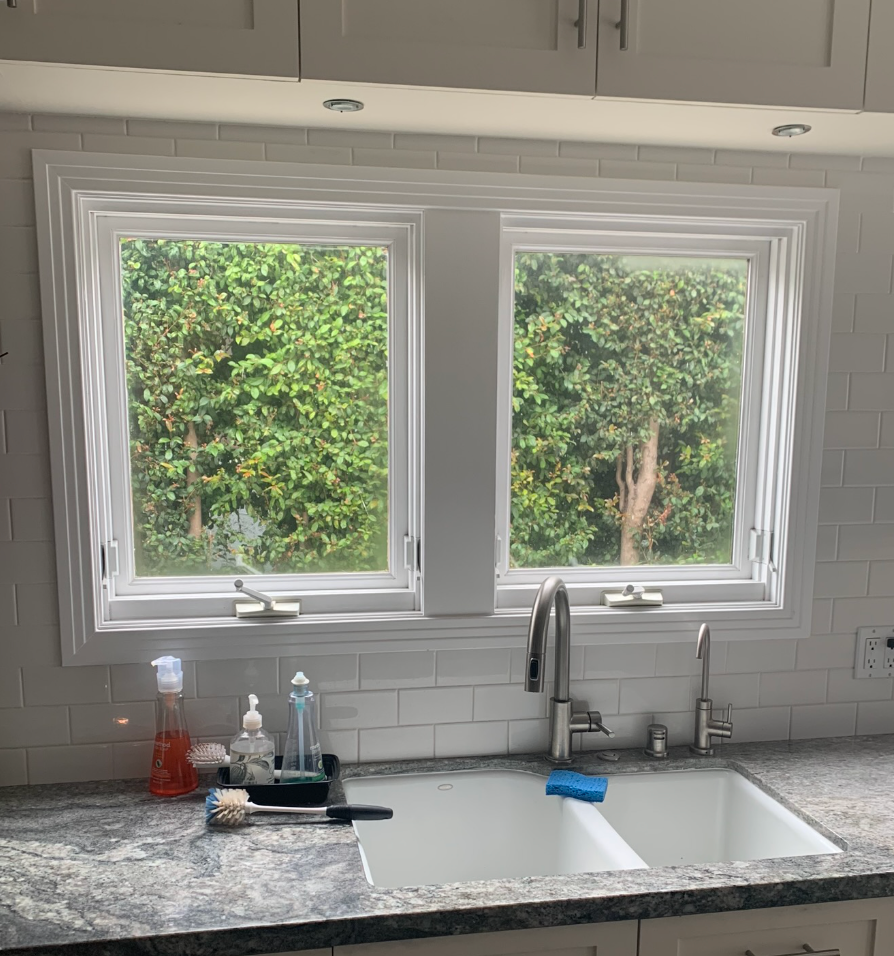
The first approach adds a second, acoustically engineered window or door on the interior side of the existing opening. The original window stays exactly where it is. The new interior unit is custom measured and installed in front of it, creating a sealed air space between the two assemblies.
That air space is the working part of the design. Sound needs a medium to travel through, and a wide, isolated cavity between two independent frames breaks the vibration path far more effectively than a narrow, factory-sealed cavity within a single insulated glass unit. Pair the air space with laminated glass and spring-loaded perimeter seals, and the assembly can achieve performance levels no ordinary replacement window can.
Tashman Home Center installs CitiQuiet interior soundproofing systems, which have been manufactured for more than three decades and are widely specified in dense urban housing. You can review the manufacturer information directly at
CitiQuiet soundproof window systems. The installation requires no structural alterations to the existing opening, making it the natural choice for condominiums, historic residences, buildings governed by an association, and any home where the exterior appearance must remain exactly as it is.
Interior systems are also the fastest path from decision to quiet. There is no demolition, no stucco patching, and no exterior scaffolding.
Full Window and Door Replacement With Acoustic Glazing
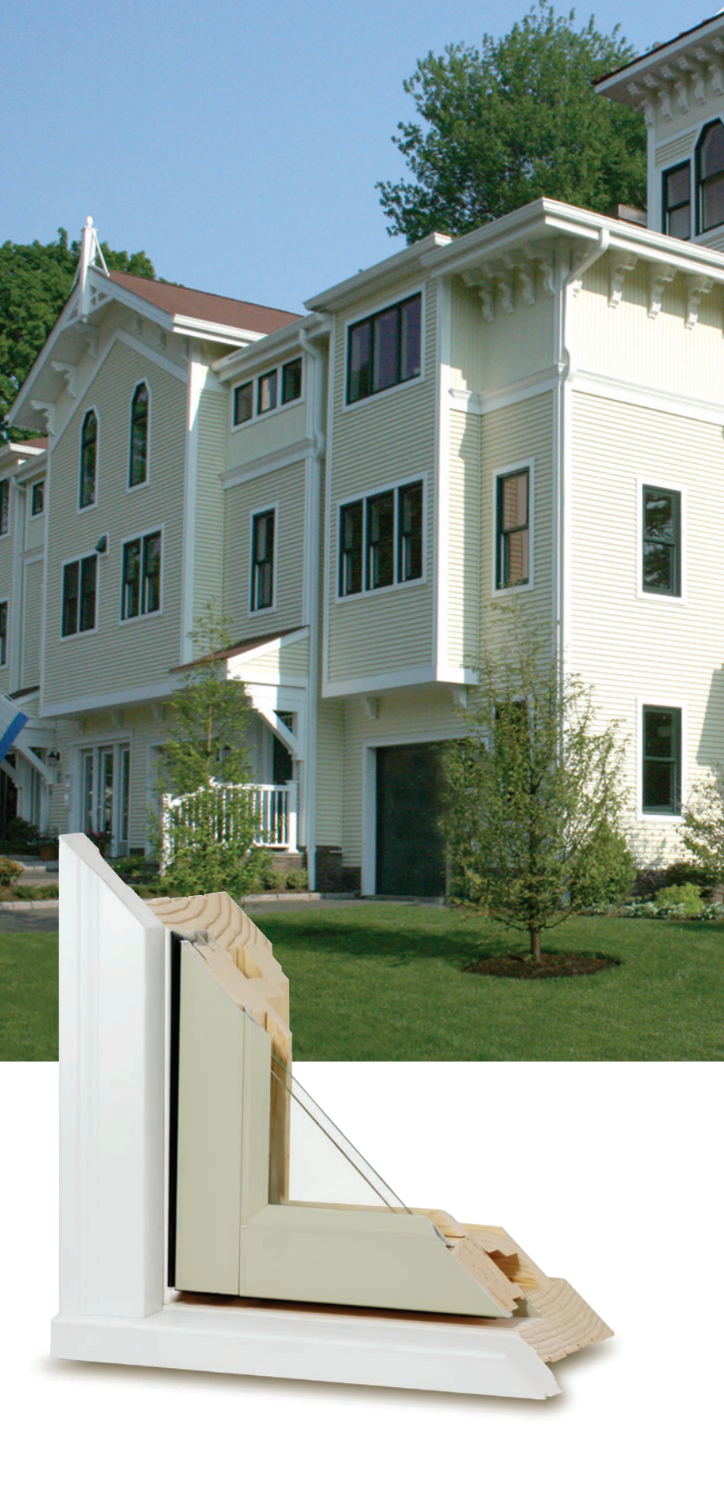
The second approach removes the existing unit and installs a new window or door built from the start for acoustic performance. This path makes sense when the existing windows are failing anyway, when the frames are rotted or racked, or when a homeowner wants improved thermal performance, security, and noise control in a single project.
The acoustic package here comes from three variables working together.
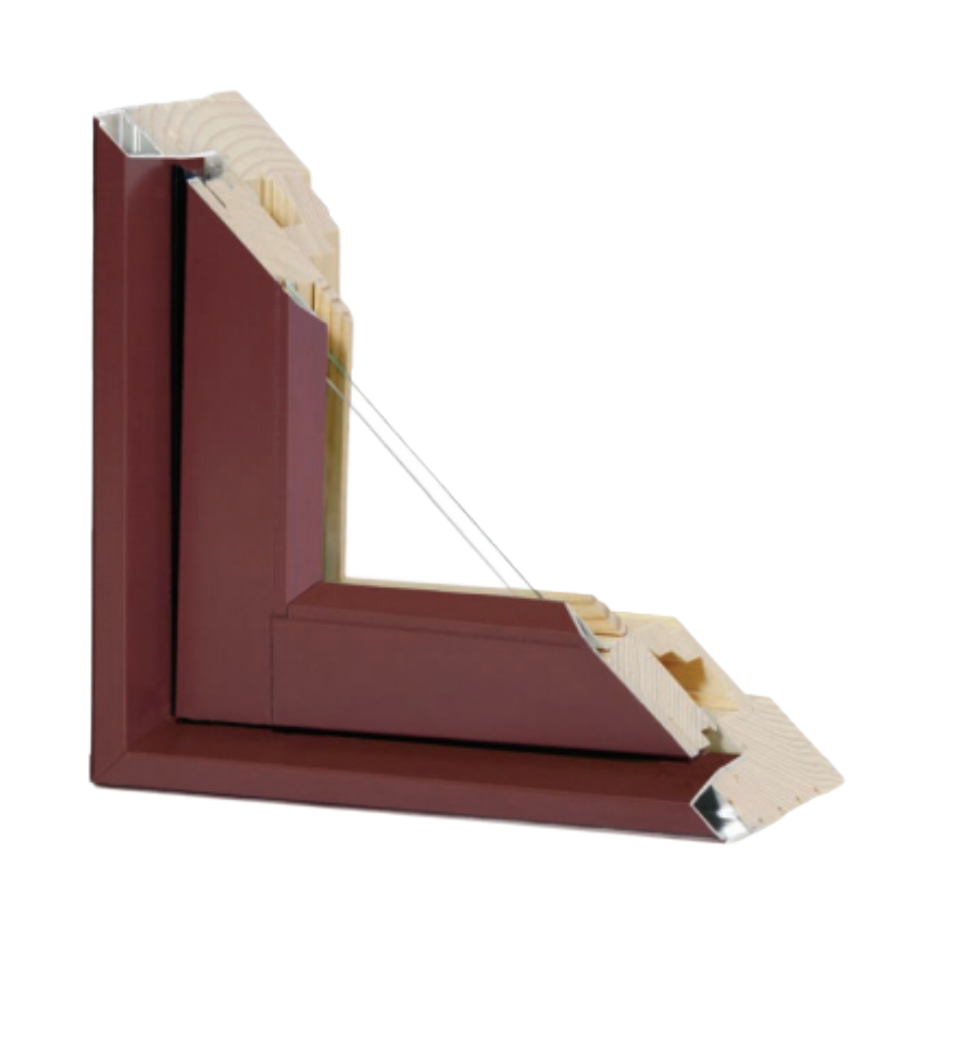
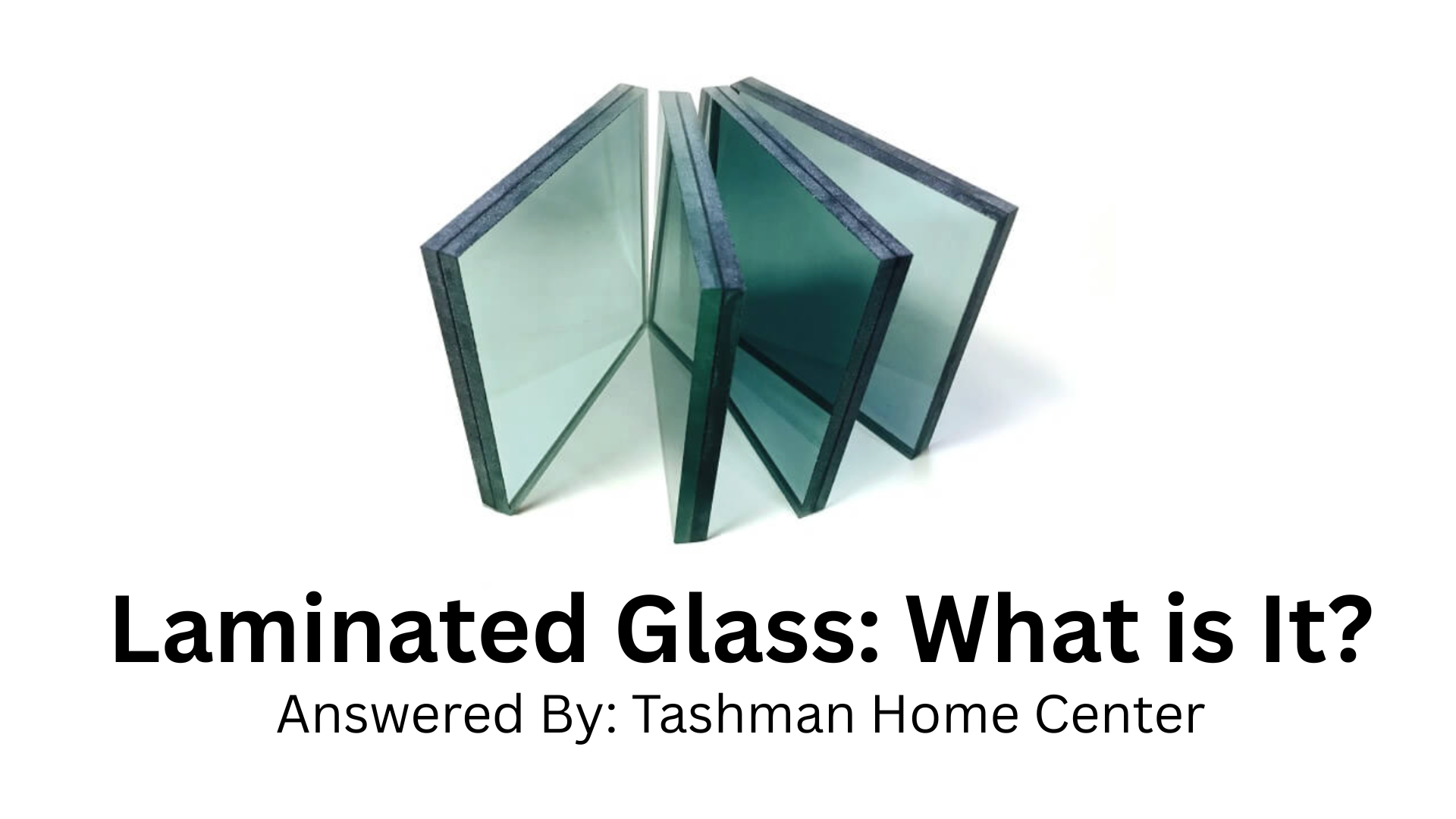
- Laminated glass bonds two lites around a flexible acoustic interlayer that absorbs vibration instead of transmitting it.
- Asymmetric glazing pairs two panes of different thicknesses so that the assembly does not resonate at a single shared frequency.
- Wider and inert-filled air spaces reduce the coupling between the two panes of glass.
Milgard, Crystal Pacific, Guardian Glass, and Cardinal Glass all produce glazing packages suited to this work, and the correct specification depends on the noise source, the wall's orientation, and the size of the opening. A bedroom facing a bus route and a second-story office facing a quiet canyon are not the same acoustic problem and should not receive the same glass.
For homeowners weighing which direction fits their property, our
soundproof window installation in Los Angeles
page walks through the window side of this decision in more detail.
What Soundproof Doors Do That Ordinary Doors Cannot
Doors are where most soundproofing projects quietly fail. A homeowner spends real money on glass, gets a meaningful improvement, and then discovers that the patio slider, the balcony door, or the door to the home office is still letting sound through.
Three things separate an acoustic door from a standard one.
- Mass matters more than anything else, which is why a solid core or acoustically engineered slab outperforms a hollow core door by a wide margin.
- Perimeter sealing must be continuous, including compression seals on all four sides and a working threshold or automatic bottom seal.
- Glazed doors need the same laminated acoustic treatment as windows, because a large lite of ordinary glass will set the performance ceiling for the entire assembly.
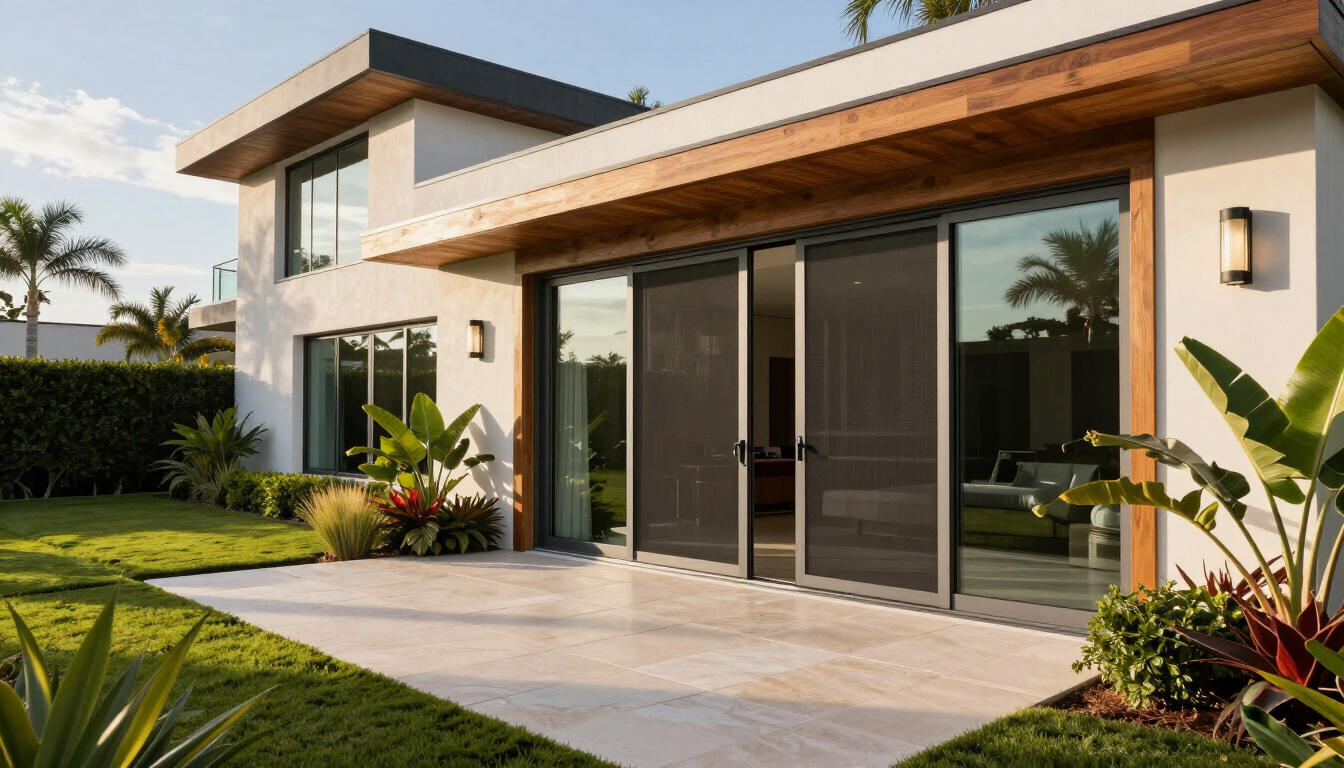
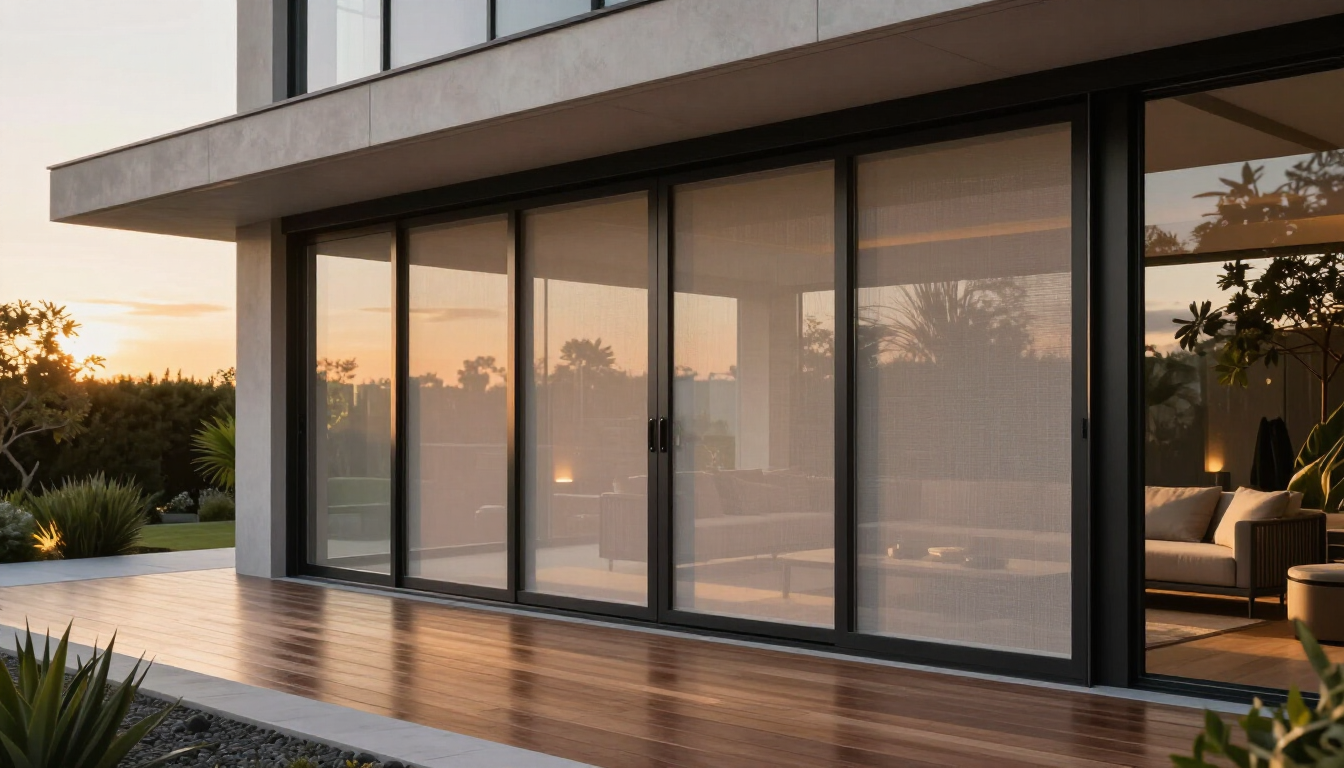
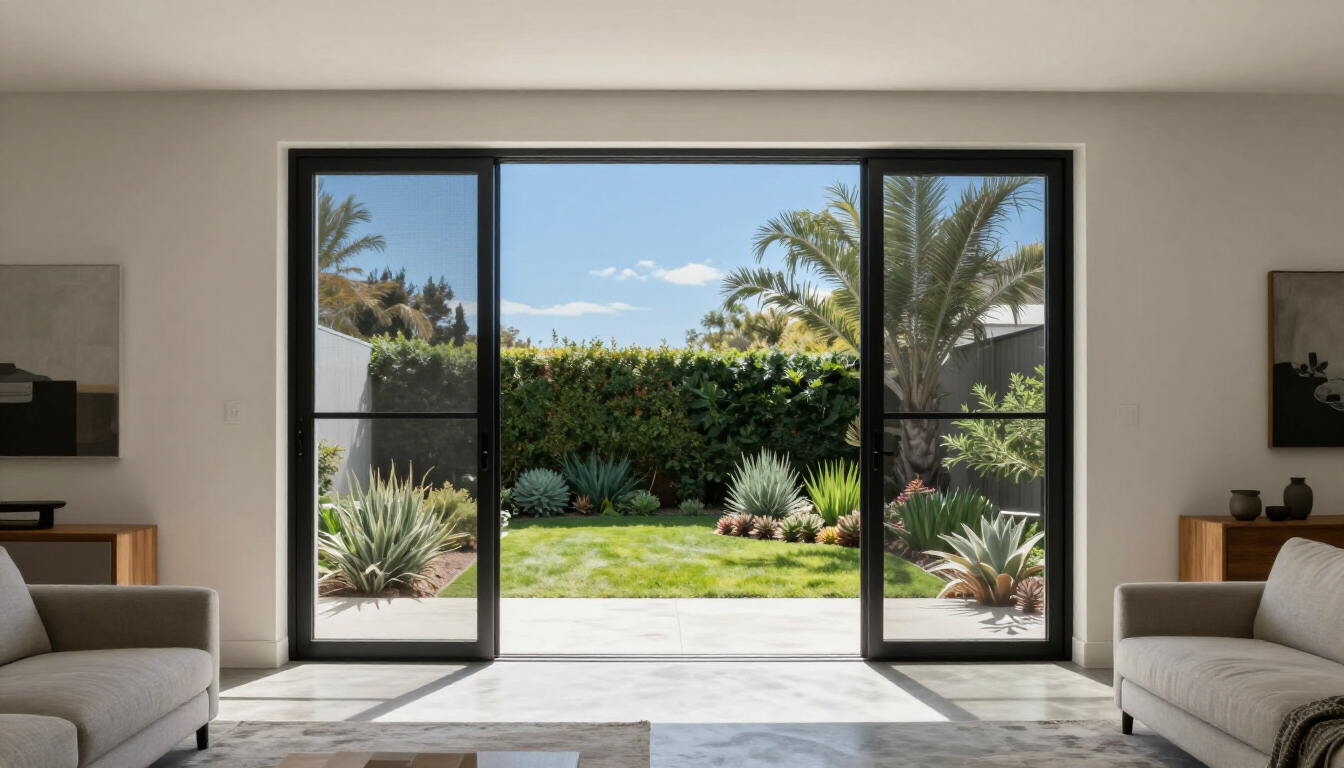
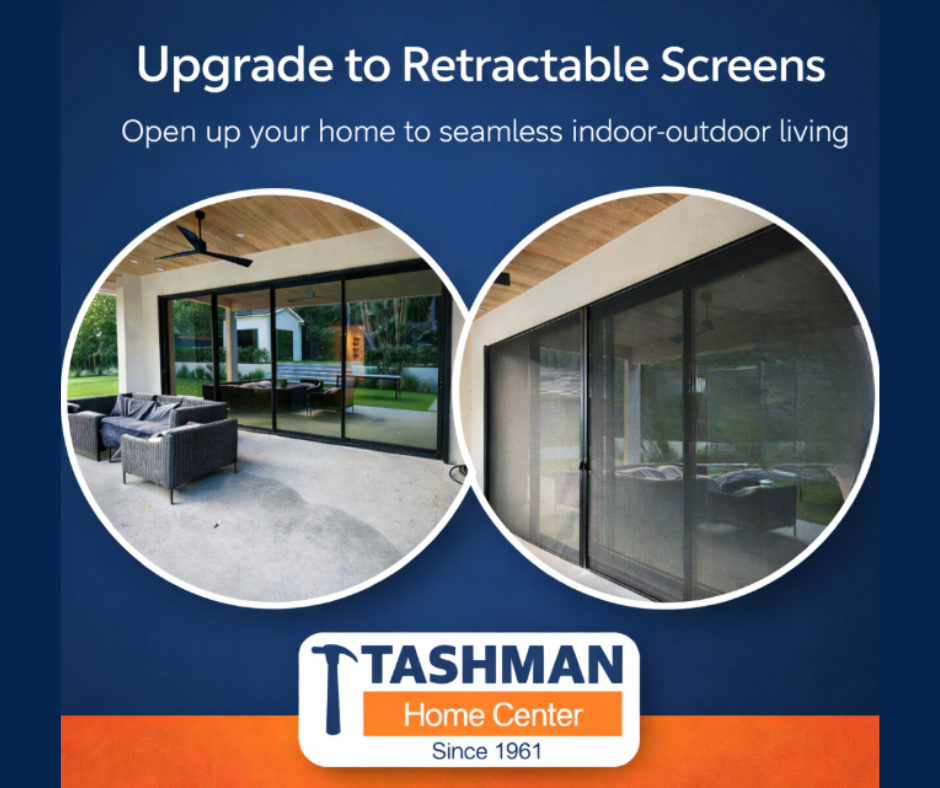
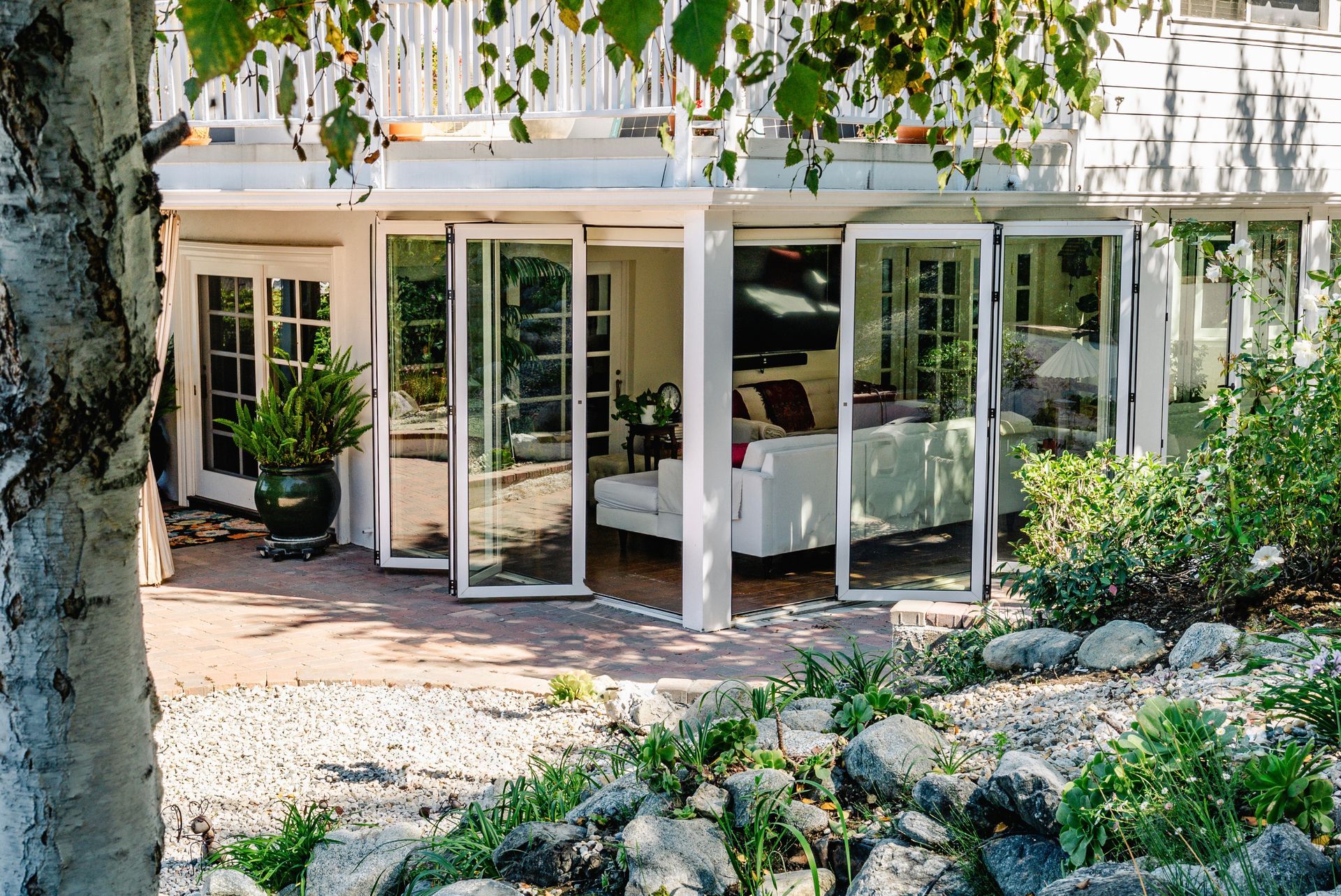
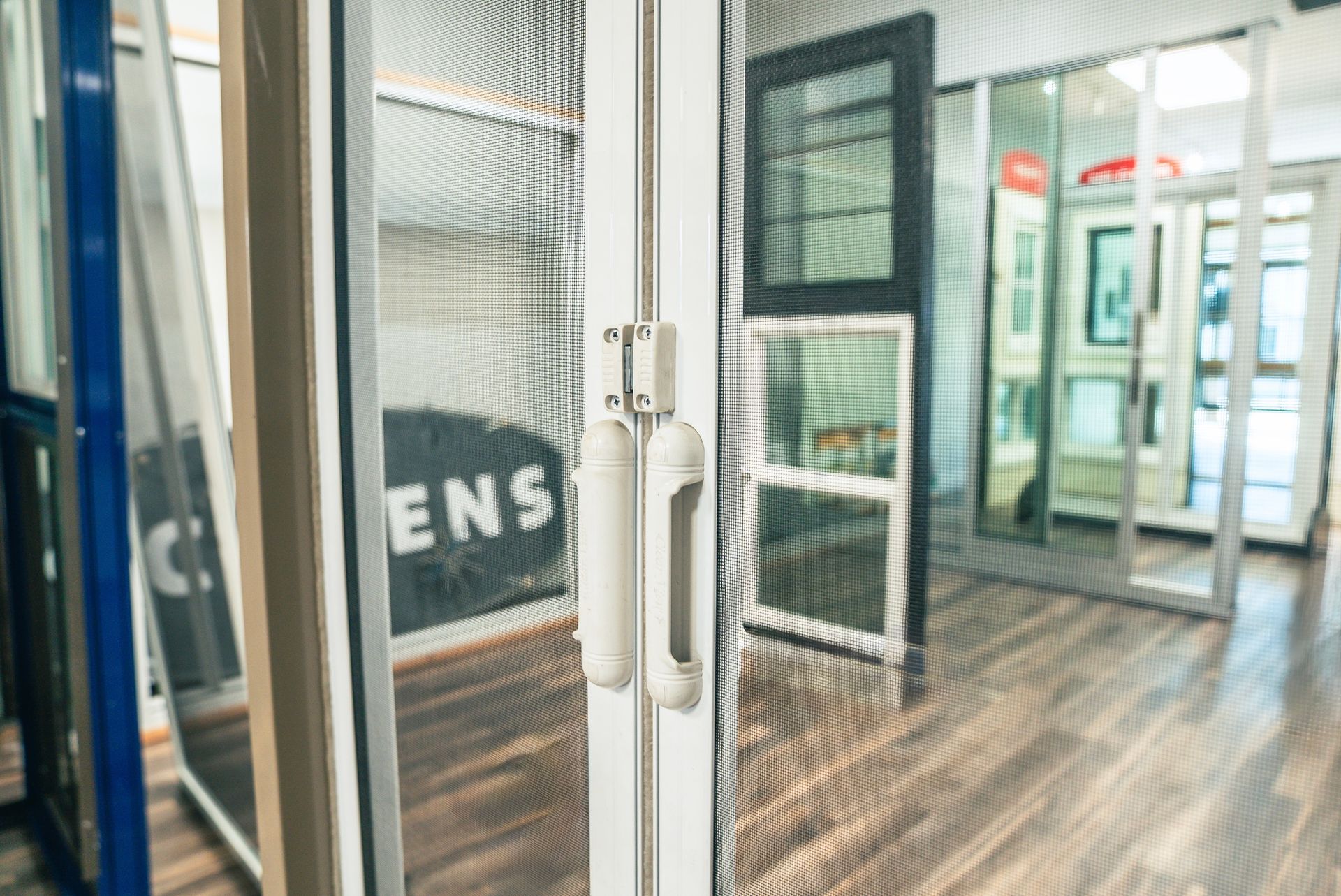
Sliding patio doors deserve special attention in Los Angeles. Indoor-outdoor living is part of how homes here are designed, and a wide slider facing a courtyard, pool deck, or street is often the largest single opening in the house. A slider built with laminated acoustic glass and properly adjusted interlocks performs dramatically better than a standard unit, and the difference is obvious the first evening you sit in the room.
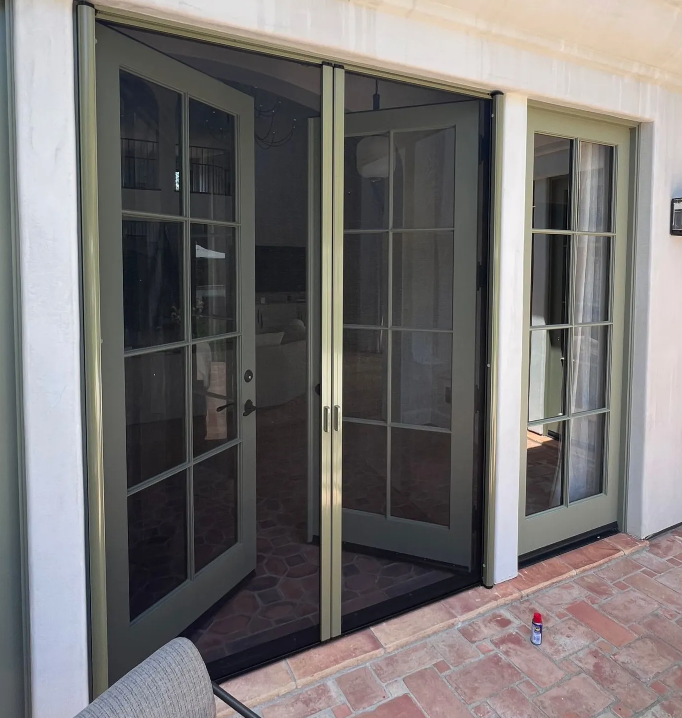
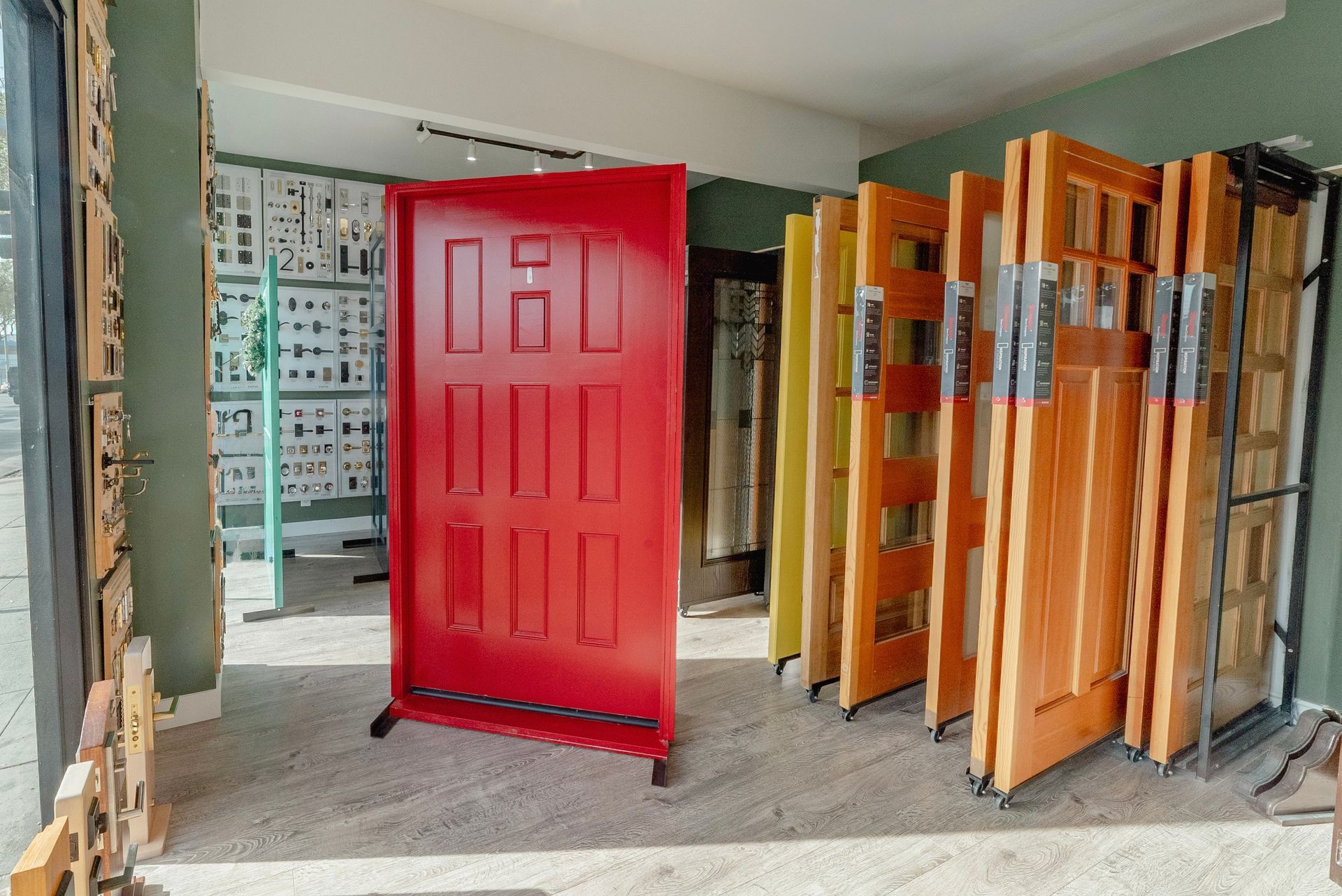
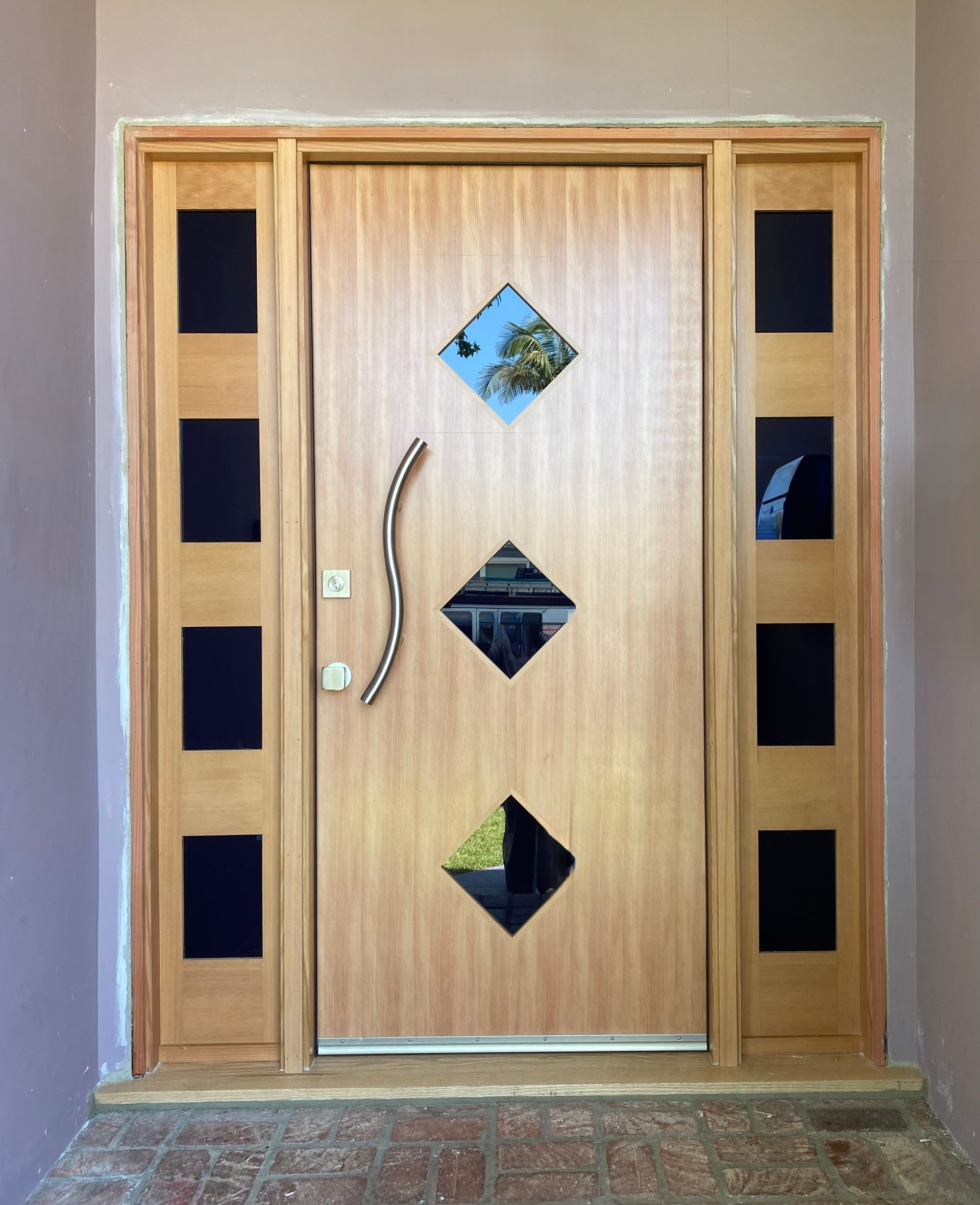
Interior soundproof doors solve a different problem. Recording rooms, home theaters, home offices, and nurseries all benefit from a heavier slab with real perimeter seals, and this is one of the most common requests we see from clients working from home. Our
acoustic door installation services cover both exterior and interior applications.
Soundproofing Historic Homes and HPOZ Properties Without Losing Character
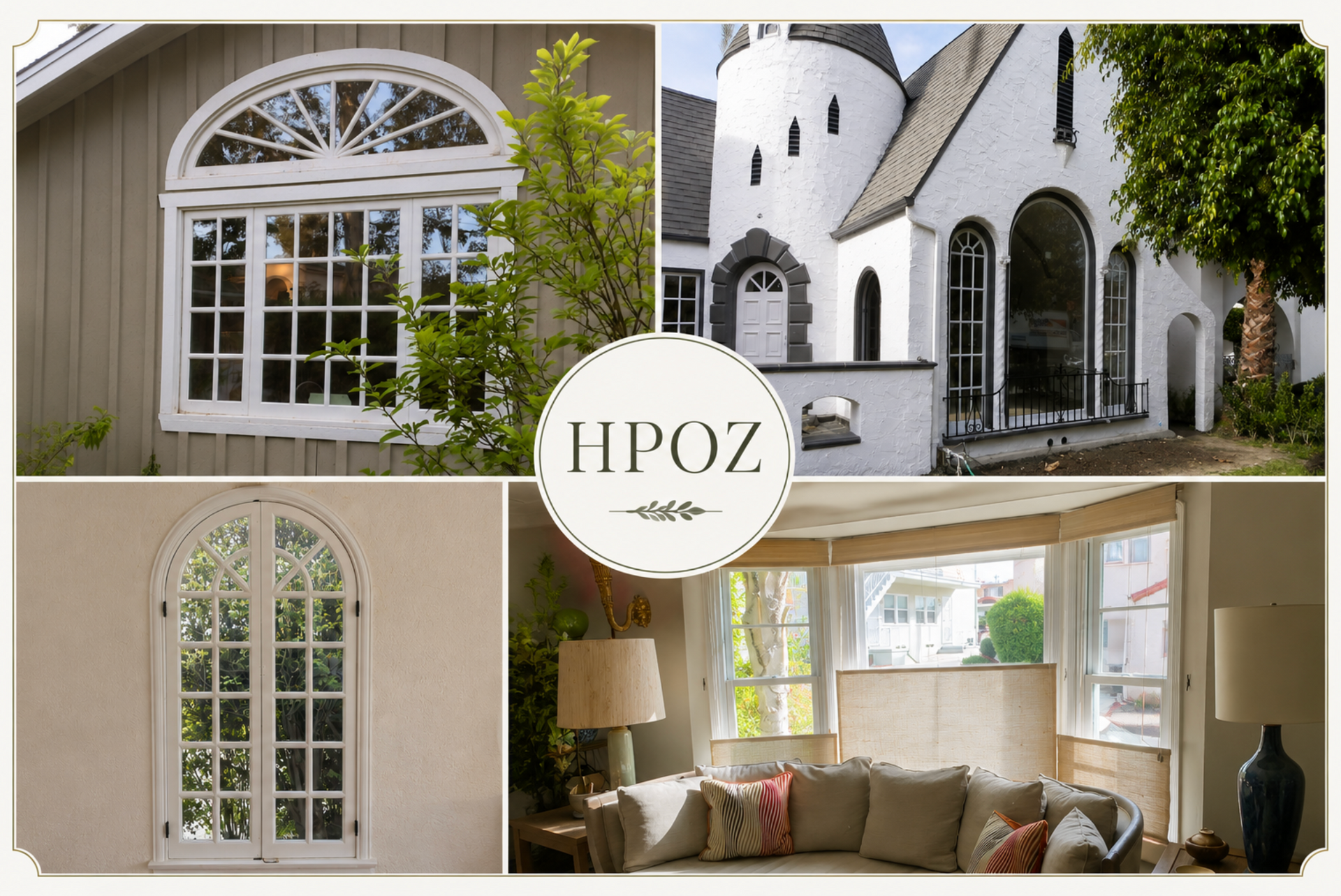
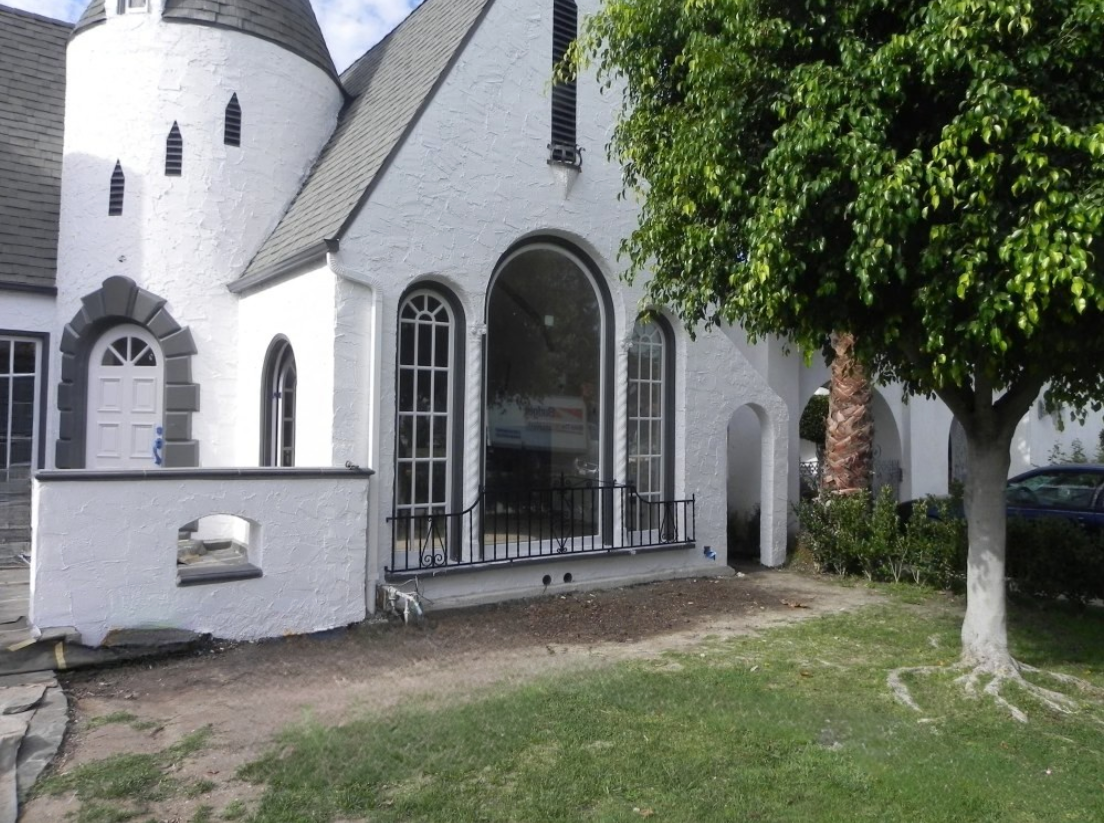
Los Angeles has one of the largest collections of designated Historic Preservation Overlay Zones in the country. Hancock Park, Spaulding Square, Carthay Circle, Windsor Square, Angeleno Heights, and West Adams all have review requirements governing what may be changed on a visible elevation.
Owners in these neighborhoods are usually caught between two pressures. The original windows are the reason the house looks the way it does. They are also the reason the house is loud.
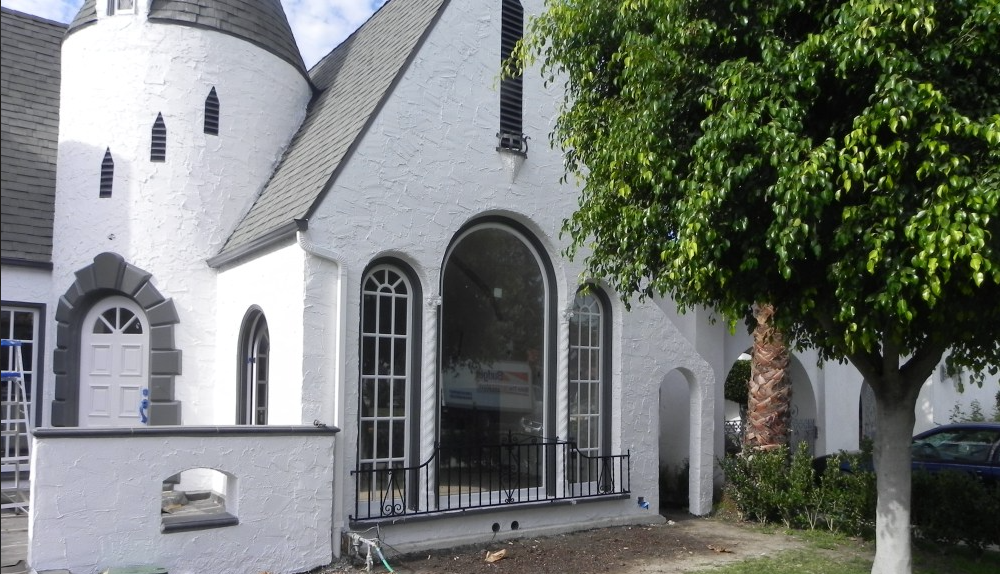
Interior soundproofing systems resolve that conflict cleanly, because nothing on the street-facing elevation changes. The original sash, glass, profiles, and hardware all remain in place. The acoustic work happens on the inside, where review boards do not have jurisdiction over appearance.
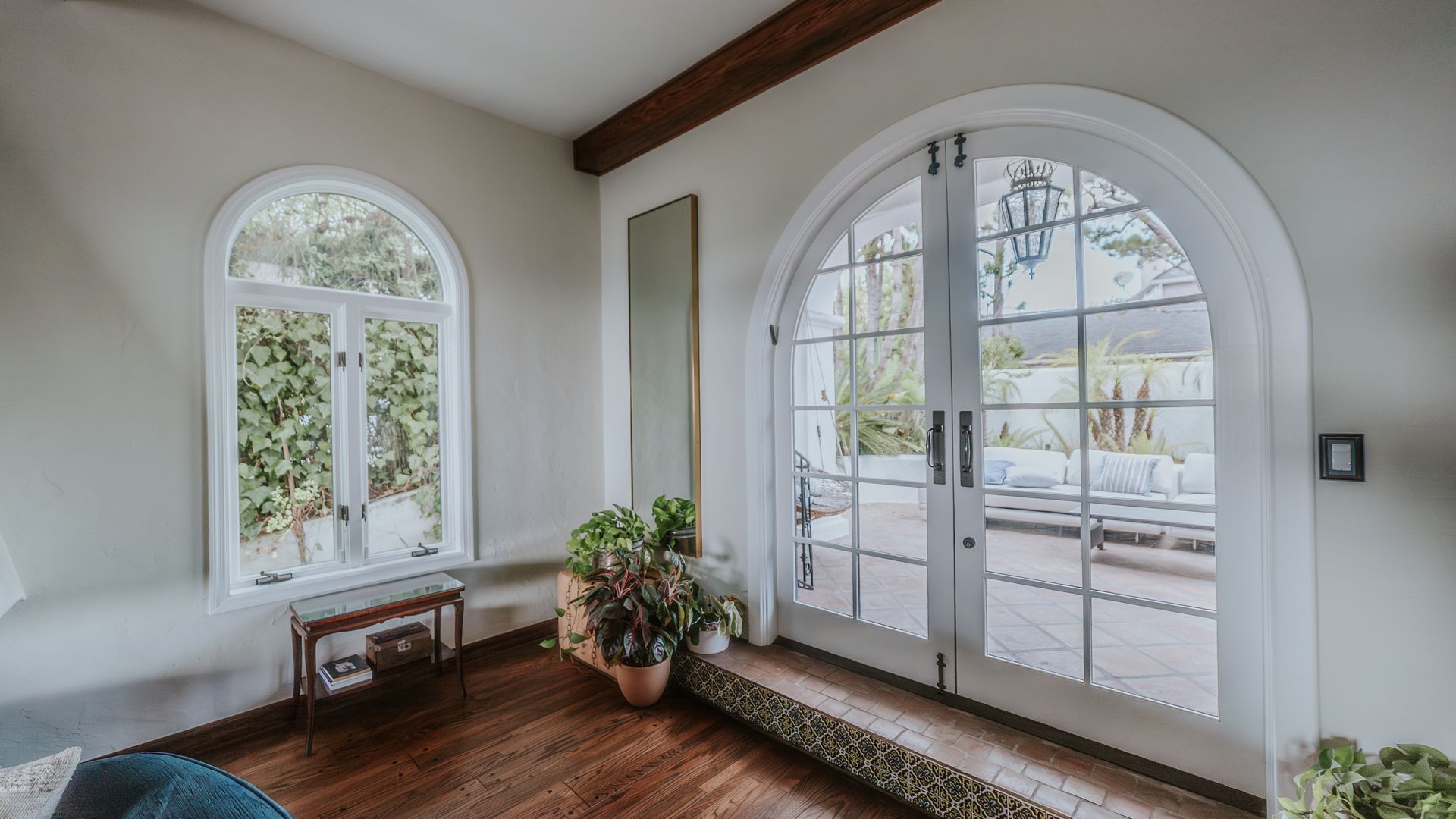
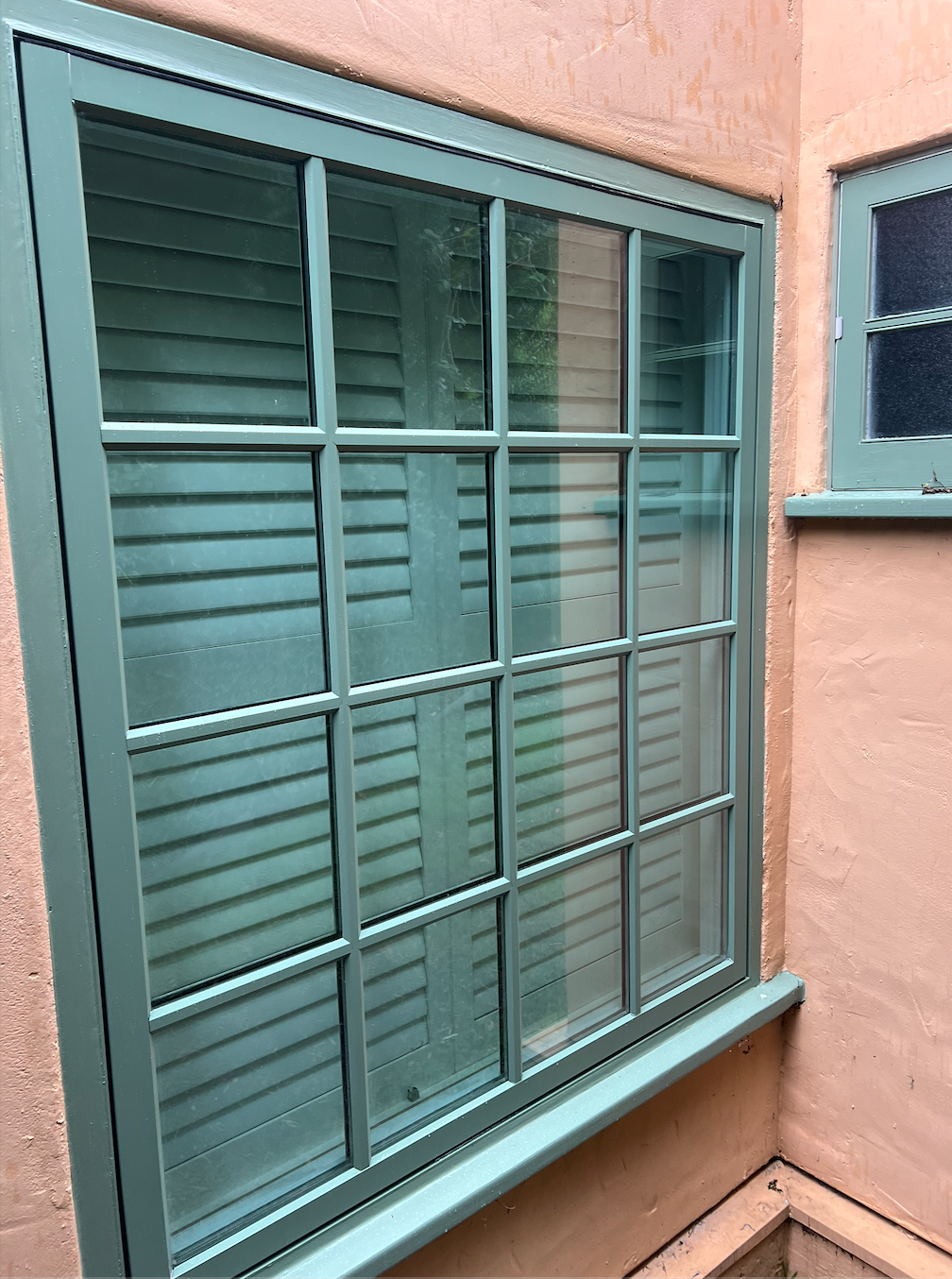
When replacement is the right call, historically accurate reproduction is the path to take. Custom-milled wood sash can replicate original dimensions, muntin profiles, sash horns, and true divided-lite configurations while incorporating laminated acoustic glass that the original did not have. Documentation matters here as much as craftsmanship. Elevations, glass specifications, and material schedules prepared correctly are what move a permit through plan check without a second round of corrections.
Restoration and soundproofing are not opposing goals. They simply require a contractor who has done both in this city.
What Soundproof Windows and Doors Cost in Los Angeles
Pricing varies more in this category than in almost any other window and door service, because the range of solutions runs from modest to specialized.
National cost data puts basic soundproofing measures in the low hundreds per window and full acoustic replacement windows in the range of several hundred to well over a thousand dollars per unit.
Acoustic glass sliding doors typically cost between
$1,000 and
$4,000 before installation. Interior soundproofing systems are priced based on opening size, glass thickness, and the desired level of noise reduction.
Several factors move the number.
- Opening size is the largest single driver, since acoustic glass is priced by area and weight.
- Glass thickness and interlayer specification determine how much noise the assembly stops and how much the package costs.
- Access affects labor, and a second-story bedroom over a hillside lot in Los Feliz costs more to work than a ground-floor room in a flat-lot home.
- Custom color matching, historic profiles, and specialty operating styles add fabrication time.
- The number of openings matters because a whole room treated together performs better and sells for a better price per unit than a single window.
The honest guidance is this. Treat the noisiest room completely rather than treating one window in every room. Acoustics are governed by the weakest path, and a bedroom with three treated windows and one untreated window will still sound like an untreated bedroom.
How to Choose a Soundproofing Contractor in Los Angeles
Searching for a soundproof door company near me returns a long list, and most of the results are general window dealers that add the word "quiet" to a product page. A few questions quickly separate the specialists.
- Ask for the
STC and
OITC ratings of the specific assembly being proposed, not a general product line.
- Ask how the perimeter will be sealed and what is used at the door threshold.
- Ask to see local work, ideally in a neighborhood with a noise profile similar to yours.
- Ask what happens if the result does not meet expectations, and get the answer in writing.
- Ask how many soundproofing projects the company completed in the last year.
- Ask to stand inside a working installation, because five minutes in a treated room tells you more than any brochure.
Local track record carries real weight in this category. The company's noise reduction work in the region was recently
featured in a regional press profile on its noise reduction work, which reflects how widespread the demand for residential quiet has become across the city.
There is one more question worth asking, and it is the simplest. Ask the salesperson to explain why the assembly works. Someone who understands mass, air space, damping, and sealing will give you a clear physical explanation. Someone who does not will change the subject to financing.
Why Los Angeles Homeowners Choose Tashman Home Center for Soundproofing
Tashman Home Center has operated from the same West Hollywood location since
1961, and the business is now in its fourth generation of family ownership. The showroom at
7763 Santa Monica Blvd sits at the center of the service area, which covers West Hollywood, Beverly Hills, Hancock Park, Los Feliz, Silver Lake, Brentwood, Santa Monica, Pacific Palisades, Encino, Sherman Oaks, Century City, Glendale, and Pasadena.
That geography matters more than it sounds. A contractor who works these neighborhoods every week knows which corridors carry the worst low-frequency traffic load, which buildings have association review requirements, which streets fall inside a preservation overlay, and how plan check treats a window permit in each jurisdiction.
The company holds California Contractor License
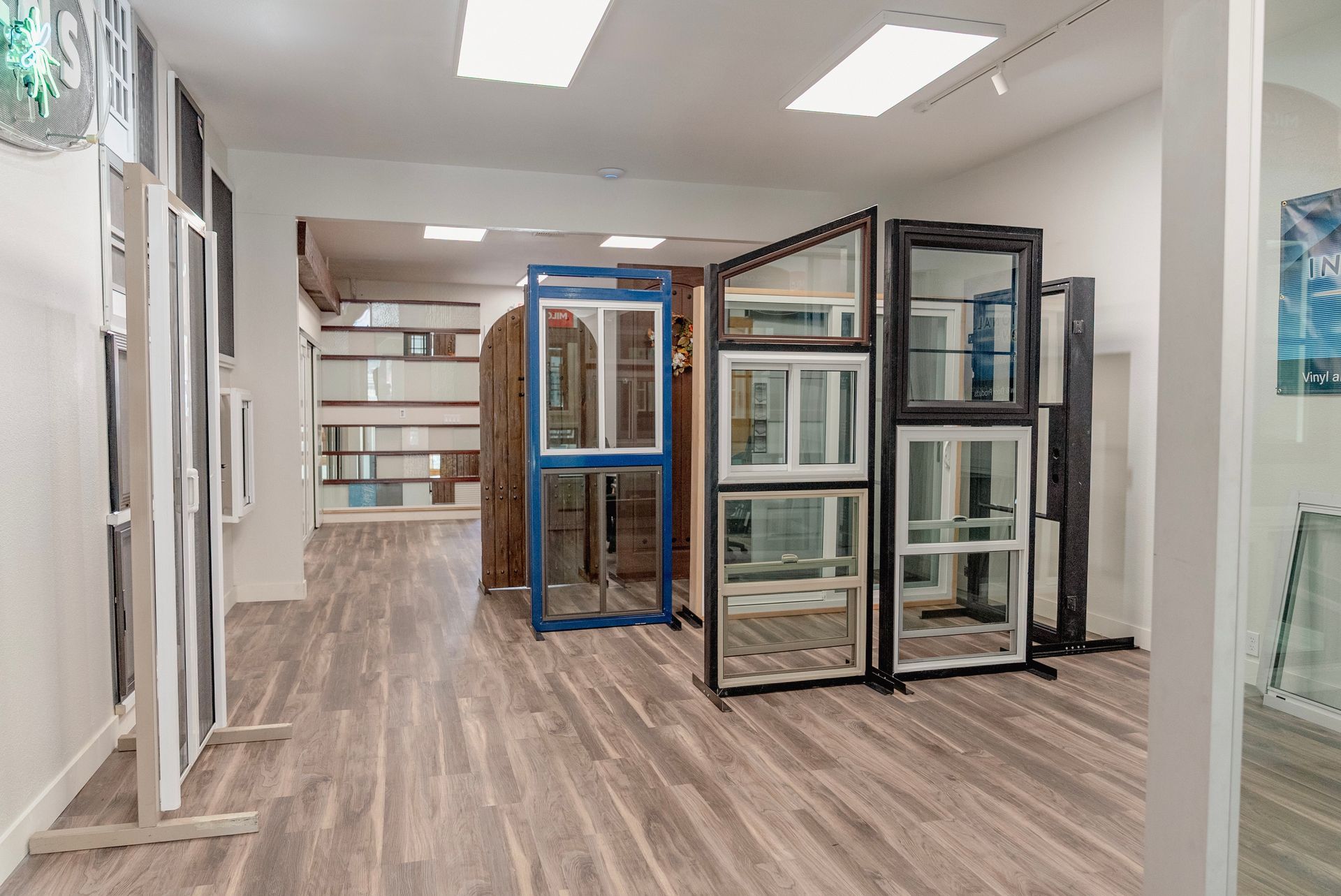
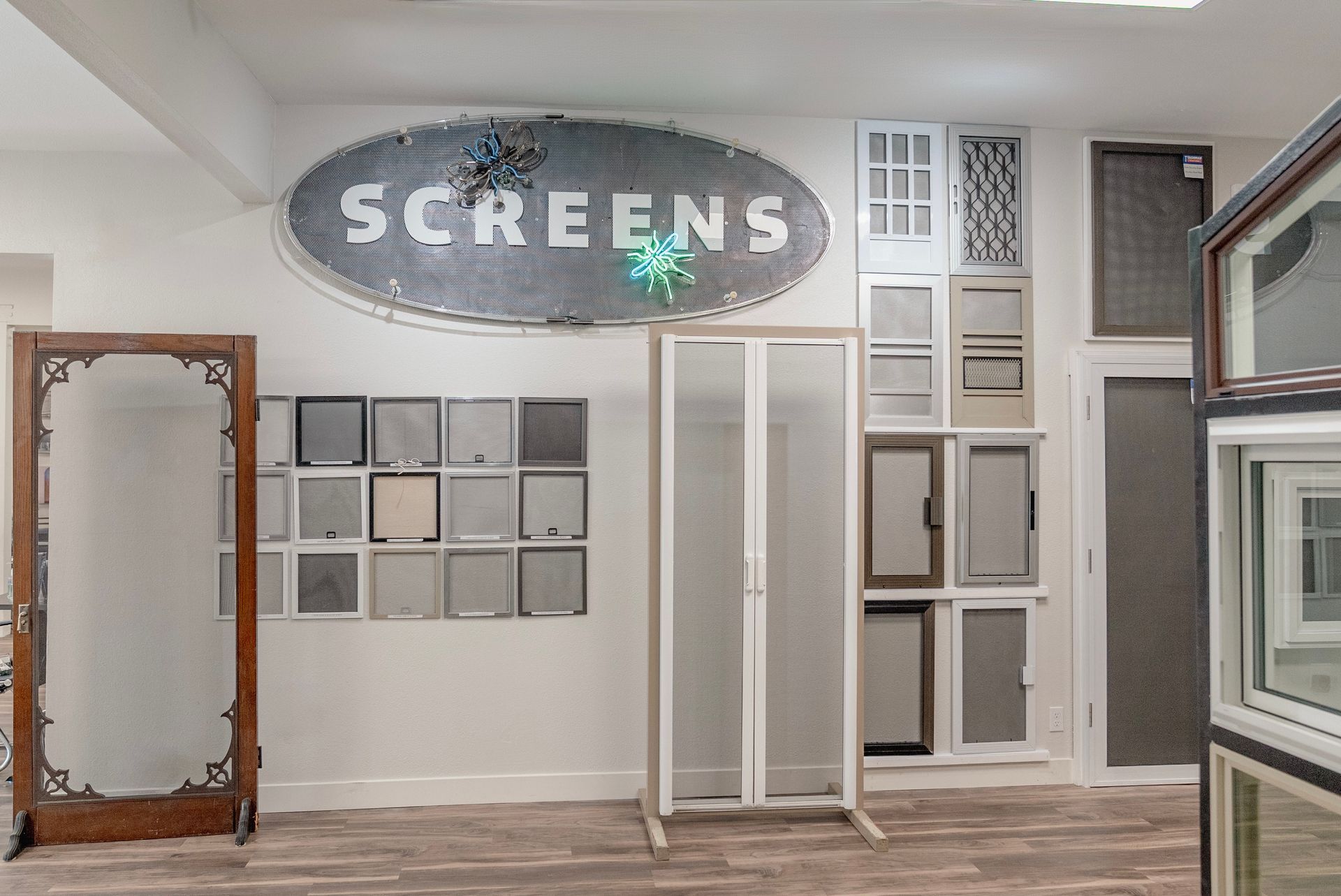
298720 and maintains direct relationships with CitiQuiet, Milgard, Crystal Pacific, Guardian Glass, and Cardinal Glass. Installers are employees rather than rotating subcontractors, and the showroom lets homeowners stand in front of working assemblies before committing to a specification. For most clients, that last part settles the decision faster than any conversation about ratings. You can see the full range of
noise-reducing door systems for LA homes on our service page.
Ready for a Quieter Home?
Quiet is not a luxury feature. It is the difference between a house you tolerate and a house you rest in.
If traffic on Sunset, aircraft over the Westside, construction next door, or a neighbor's late-night gathering is taking something out of your week, the fastest way forward is a conversation with someone who has solved the same problem on your street. A consultation includes an assessment of the noise source, a review of the existing openings, a recommended assembly with stated performance, and clear pricing.
You can
request a soundproofing consultation in Los Angeles online, visit the West Hollywood showroom, or call
(323) 676 0700 to speak with an installation technician. If you want to compare approaches before you reach out, our full breakdown of
residential soundproof door options is a good place to start.