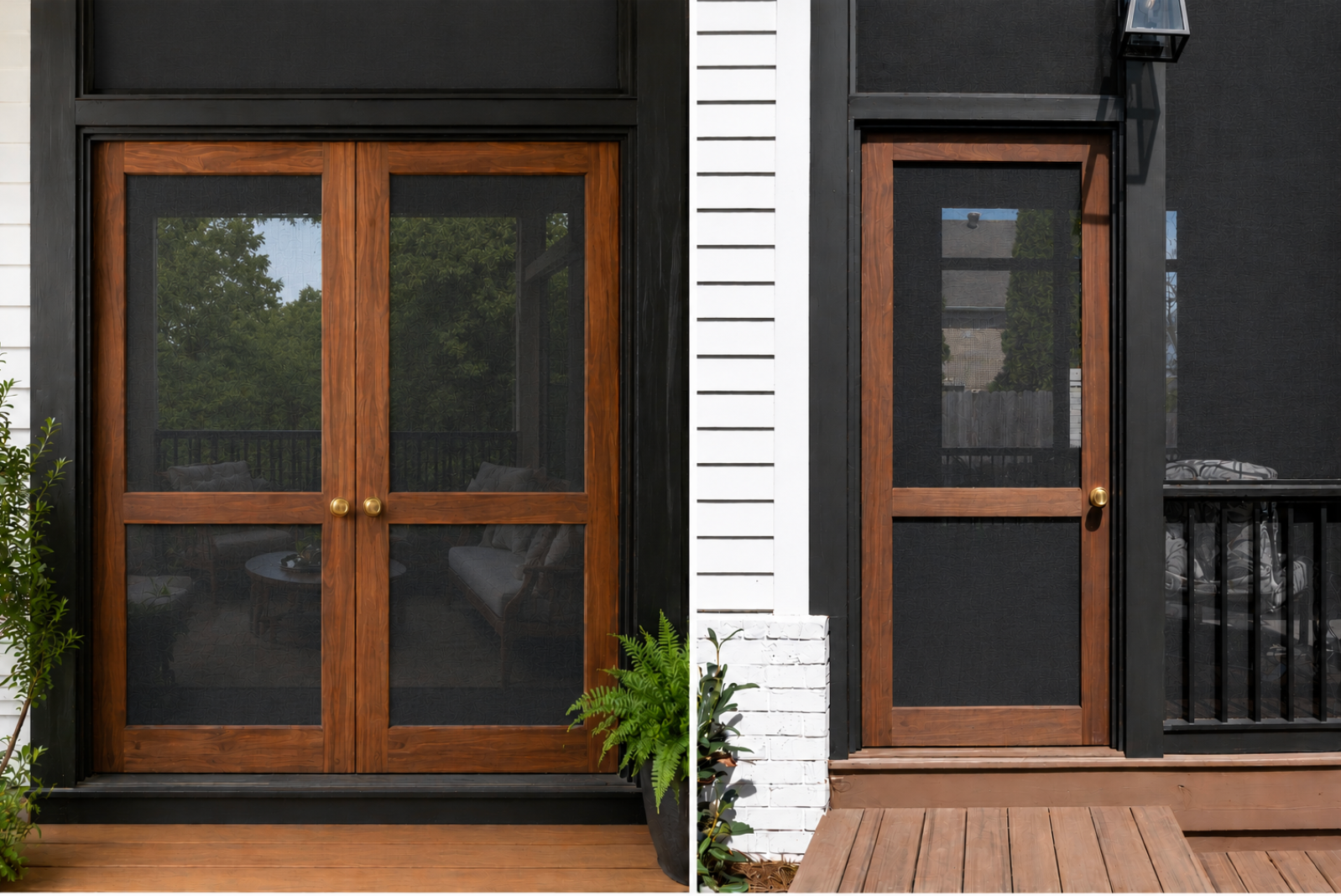
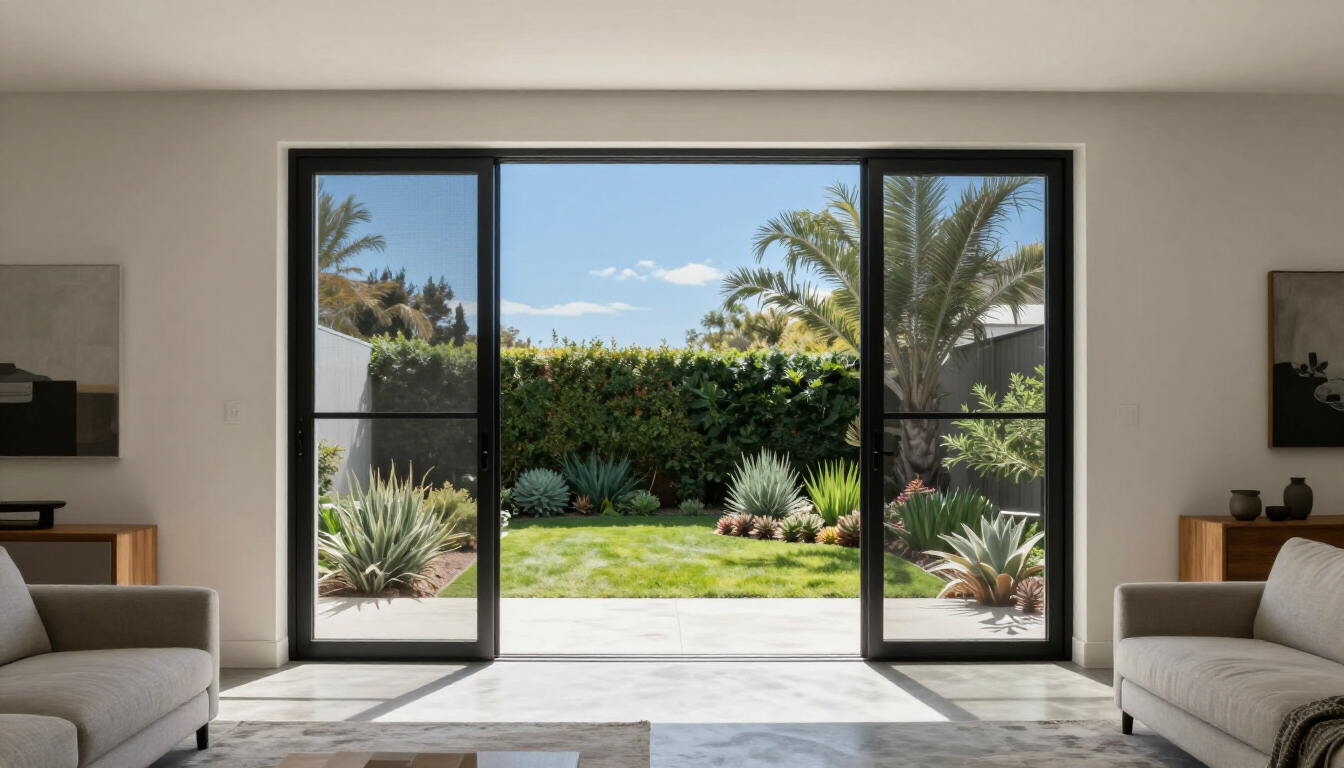
Most homeowners in Silver Lake think of a screen door as something you tolerate. It is the flimsy aluminum rectangle that came with the house, the one that sags on its hinges, rattles in the wind, and quietly makes a beautiful entry look cheap. You put up with it because you want airflow, and airflow in a Los Angeles summer is worth a little ugliness. That trade seems reasonable until you see what the alternative looks like. A door built for your opening, finished to match your trim, and hung so it closes cleanly every time does not subtract from your home. Well-made swinging screen doors add to it. That is the standard behind every one of our
custom swinging screen doors in Silver Lake, and it is the difference between a part you hide and a feature you point out.
A swinging screen door is a hinged door fitted with screen mesh that opens outward or inward like a standard entry door. In the Silver Lake market, a custom-built version made from extruded aluminum with double-strength corners typically runs
$450 to
$1,200 installed, depending on size, grille pattern, and finish. Tashman Home Center has measured, built, and installed screen doors from its West Hollywood showroom since
1961.
What a Swinging Screen Door Is and Why the Style Still Wins
A
swinging screen door hangs on hinges at one side of the opening and swings clear of the doorway. That single design decision is why the style has outlasted every trend that tried to replace it.
The mesh panel is held inside a rigid frame, and the frame carries the weight rather than the screen. When the frame is built correctly, the door stays square for decades. When it is built poorly, the corners rack, the latch stops meeting the strike, and the whole thing starts to drag on the threshold within two seasons.
Here is what the swinging style does better than the alternatives.
- It gives you the largest unobstructed screen area of any screen door type, which means the most airflow through the opening.
- It operates on hardware you can service, so a worn hinge or closer is repaired rather than replaced.
- It accepts decorative grilles, kick plates, and pet doors that sliding and retractable systems cannot support.
- It works on single-entry doors, side entries, back doors, and French-door openings without a track in the floor.
- It closes with a positive latch, so wind does not push it open and leave your entry standing wide.
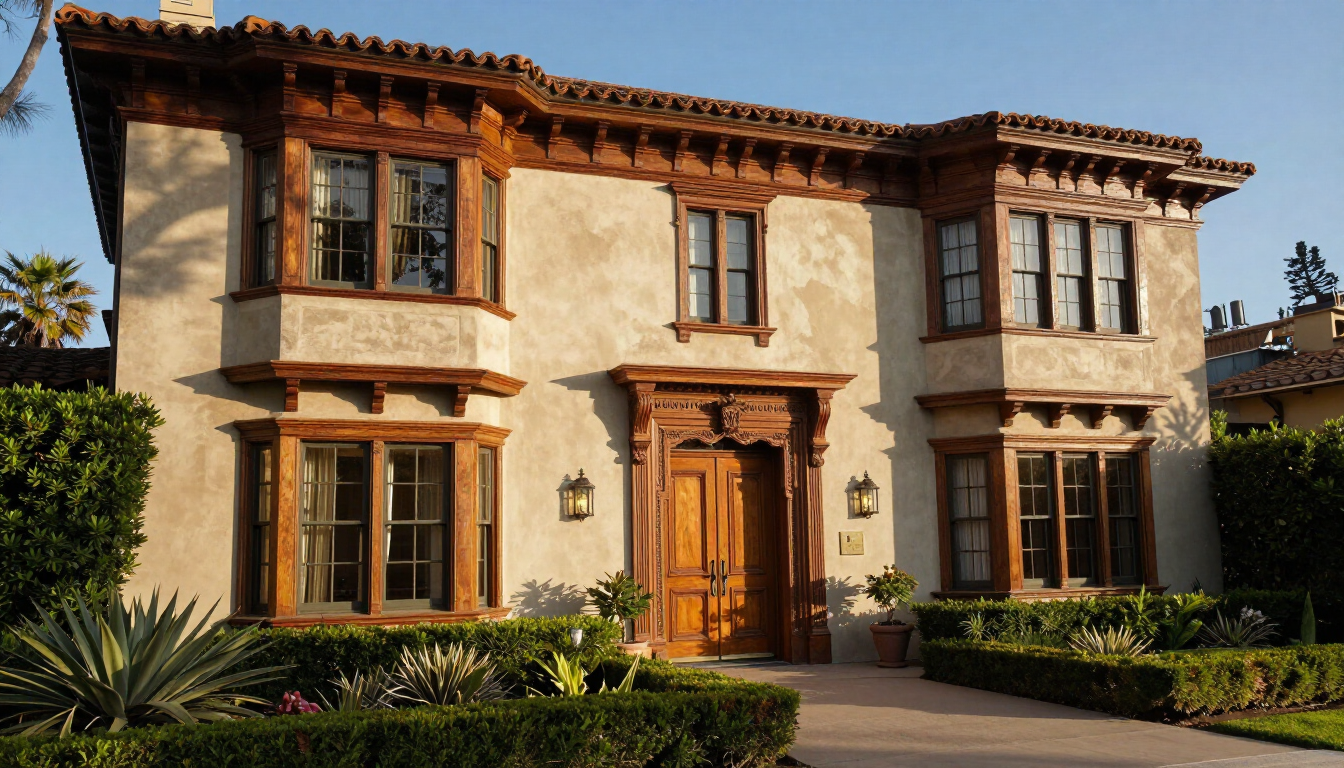
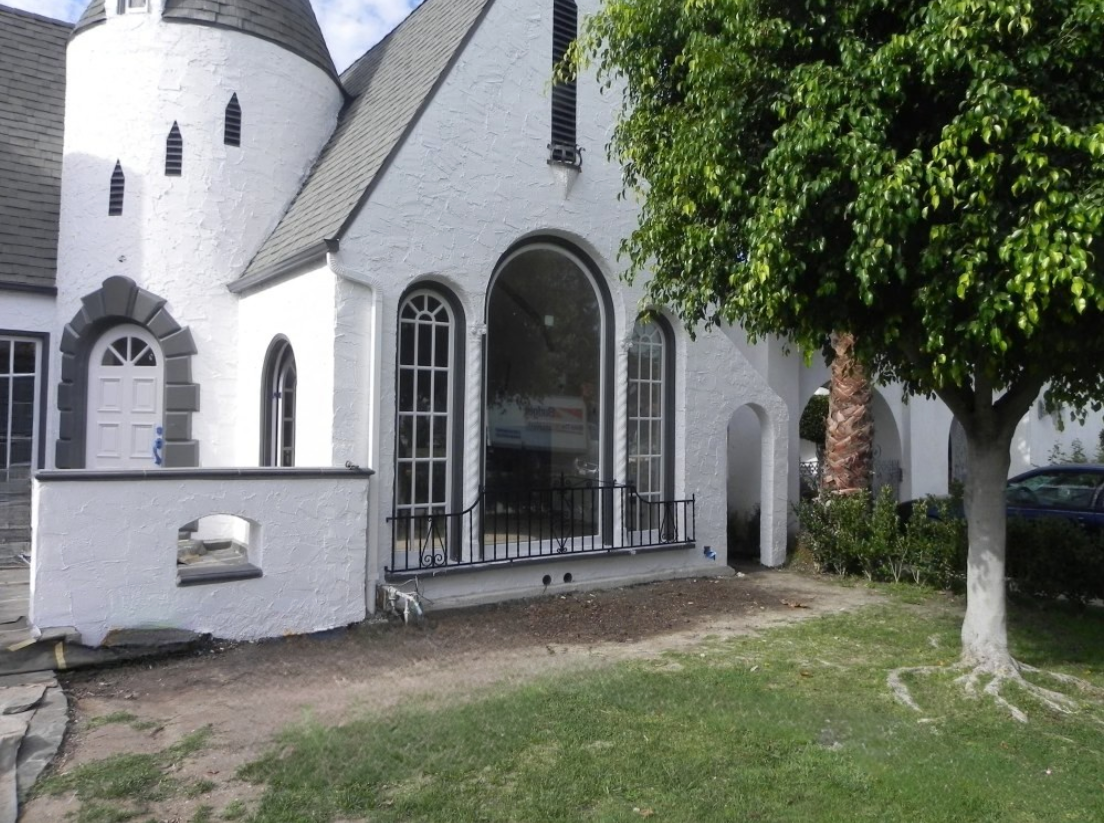
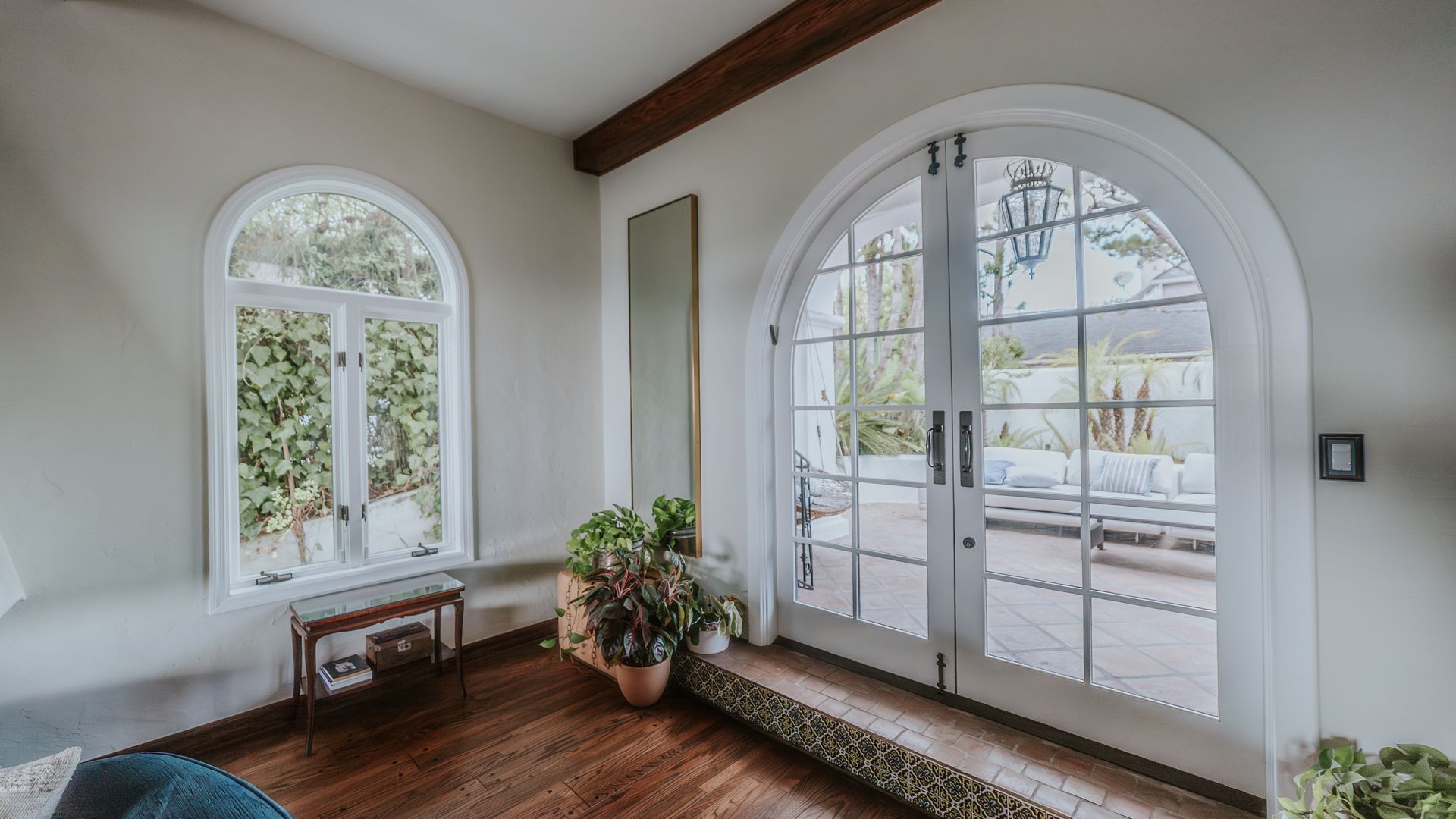
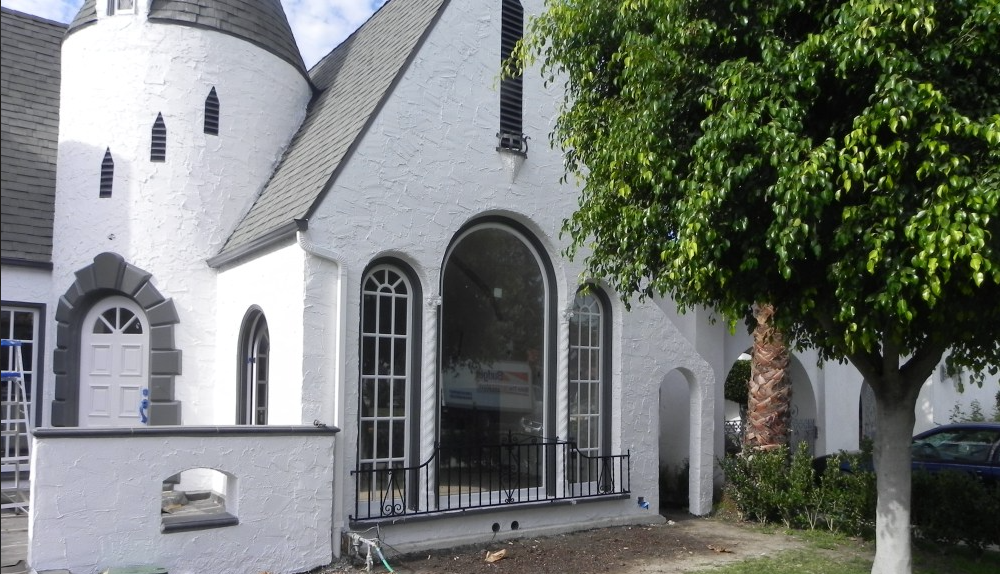
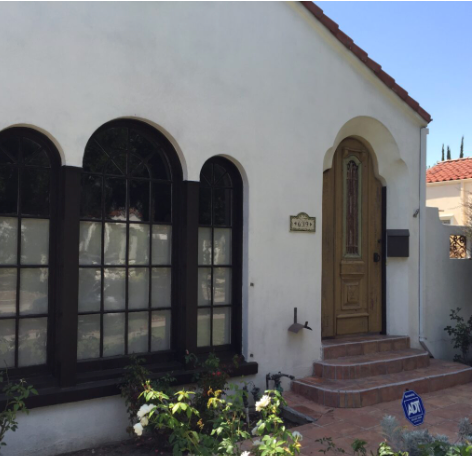
For homes in Silver Lake, Los Feliz, Echo Park, and Atwater Village, the swinging style is also the most architecturally honest choice. These are neighborhoods full of Spanish Colonial Revival bungalows, Craftsman entries, and hillside modernist houses where a visible screen door reads as part of the facade. A door that swings looks intentional. A retractable cassette bolted to the casing rarely does.
Why Standard Screen Doors Look Wrong on Silver Lake Homes
Silver Lake housing stock is old, varied, and rarely square. A house built in
1926 above the reservoir has settled. The opening is no longer a clean
36 inches by
80 inches, and the jamb may be out of plumb by a quarter inch or more from top to bottom.
A stock screen door pulled off a shelf is manufactured to a nominal size. Installing one in a settled opening produces the problems every homeowner recognizes.
- Uneven gaps appear along the hinge side or the latch side, and insects come through exactly where you were trying to stop them.
- The door binds at the top corner and needs to be lifted or shoved to close.
- Shims and filler strips get added to make up the difference, and they are visible from the street.
- The frame finish clashes with the entry door, the trim, and the window frames because the color options were limited to three.
- The screen tears early because the frame flexes under normal use.
None of this is a small aesthetic complaint. A poorly fitted screen door is the first thing a visitor touches when they arrive at your house. It sets an expectation about the rest of the property before anyone walks inside. That is what we mean by a door that subtracts.
The fix is not a better stock door. The fix is a
custom-built screen door replacement sized to the opening as it exists today.
How Tashman Home Center Builds a Screen Door That Belongs on Your House
Our process starts with a measure, not a catalog. Someone comes to your Silver Lake home, checks the opening for square, evaluates the condition of the jamb and threshold, and notes anything in the framing that needs attention before a new door goes in. Old houses often need a small amount of jamb repair or a threshold adjustment first, and finding that during the measure is far cheaper than finding it during the install.
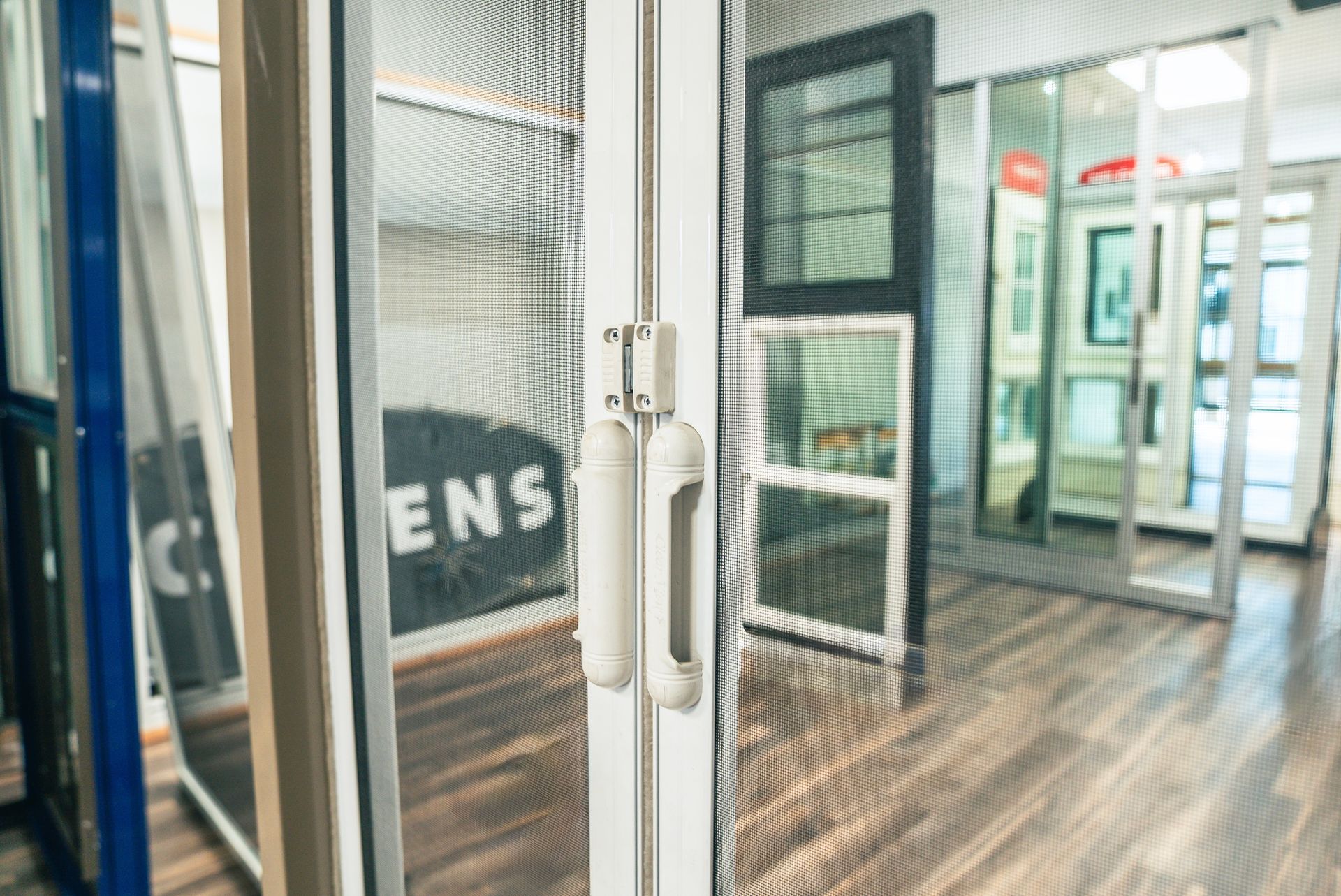
From there, the door is built to your dimensions rather than trimmed to fit them. The frames we supply are extruded aluminum with double-strength extruded corners, which is the structural detail that separates a door that stays square from one that racks. Roll-formed frames and stapled corners are the first to fail in a high-traffic entry.
Standard widths are
30 inches,
32 inches,
36 inches, and
42 inches, and fully custom sizing is available for the non-standard openings that frequently appear in hillside homes and older duplexes. Seven finish options let the frame match your existing trim, entry door, or window frames instead of fighting them.
Our team handles
swinging screen door installation in Los Angeles directly. We do not subcontract screen door work to a third-party crew, which means the person who measured the opening is accountable for how the finished door hangs. For a family-owned business operating on Santa Monica Boulevard since
1961, that accountability is the entire reputation.
Frame Materials, Finishes, and the Details That Decide How It Looks
Frame material drives cost, lifespan, and appearance more than any other choice you make.
Extruded aluminum is the workhorse for Los Angeles homes. It does not rot, does not swell in humidity, maintains a powder-coated finish for years, and stays light enough that the hinges do not carry an excessive load. For most Silver Lake entries, this is the right answer.
Wood is the choice for Craftsman and Spanish Colonial homes where the entry door is stained wood and an aluminum frame would look grafted on. Wood screen doors require regular refinishing, and homeowners should know that. What you get in return is a door that matches original millwork in a way aluminum cannot.
Vinyl and roll-formed frames exist and cost less. We rarely recommend them for a primary entry because the flex that makes them cheap is the same flex that tears mesh and misaligns latches.
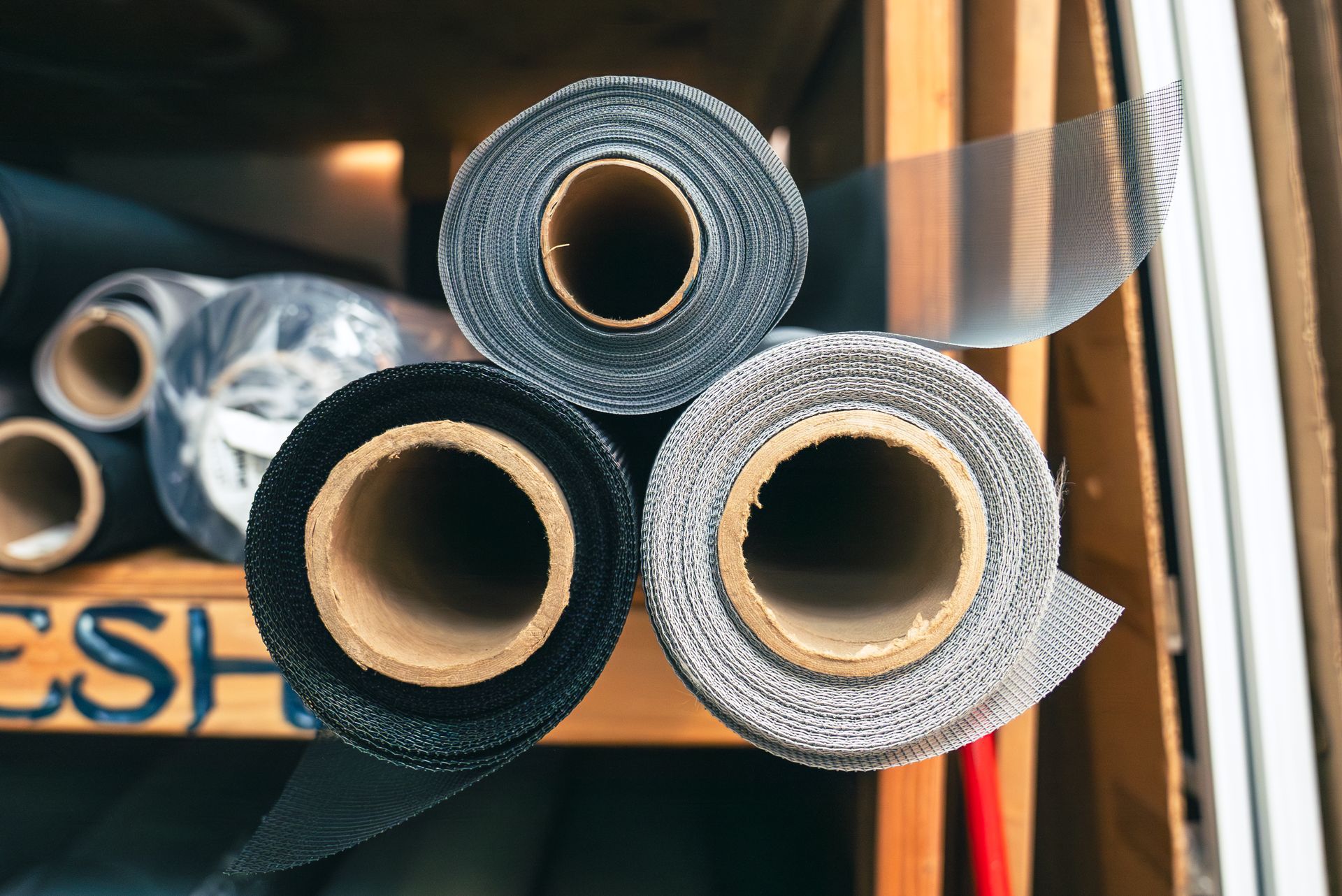
Mesh selection matters just as much as the frame.
- Standard fiberglass mesh gives the clearest view and the best airflow at the lowest cost.
- Pet-resistant mesh uses reinforced strands that withstand claws, pushing, and repeated scratching at the bottom rail.
- Tighter-weave mesh blocks smaller insects for homes near the reservoir and canyon drainages.
The finish is where a screen door either disappears into the entry or announces itself as an afterthought. Matching the frame to the trim color makes the door read as part of the house. Matching it to the entry door hardware finish pulls the whole entry together. This is a five-minute conversation during the measure that changes how the entry looks for the next twenty years.
Grille Patterns That Add Character Instead of Hiding It
A decorative grille is the element that turns a functional screen door into something that improves the front of the house. The grille sits over the mesh, protects it from impact, and gives the door a visual identity.
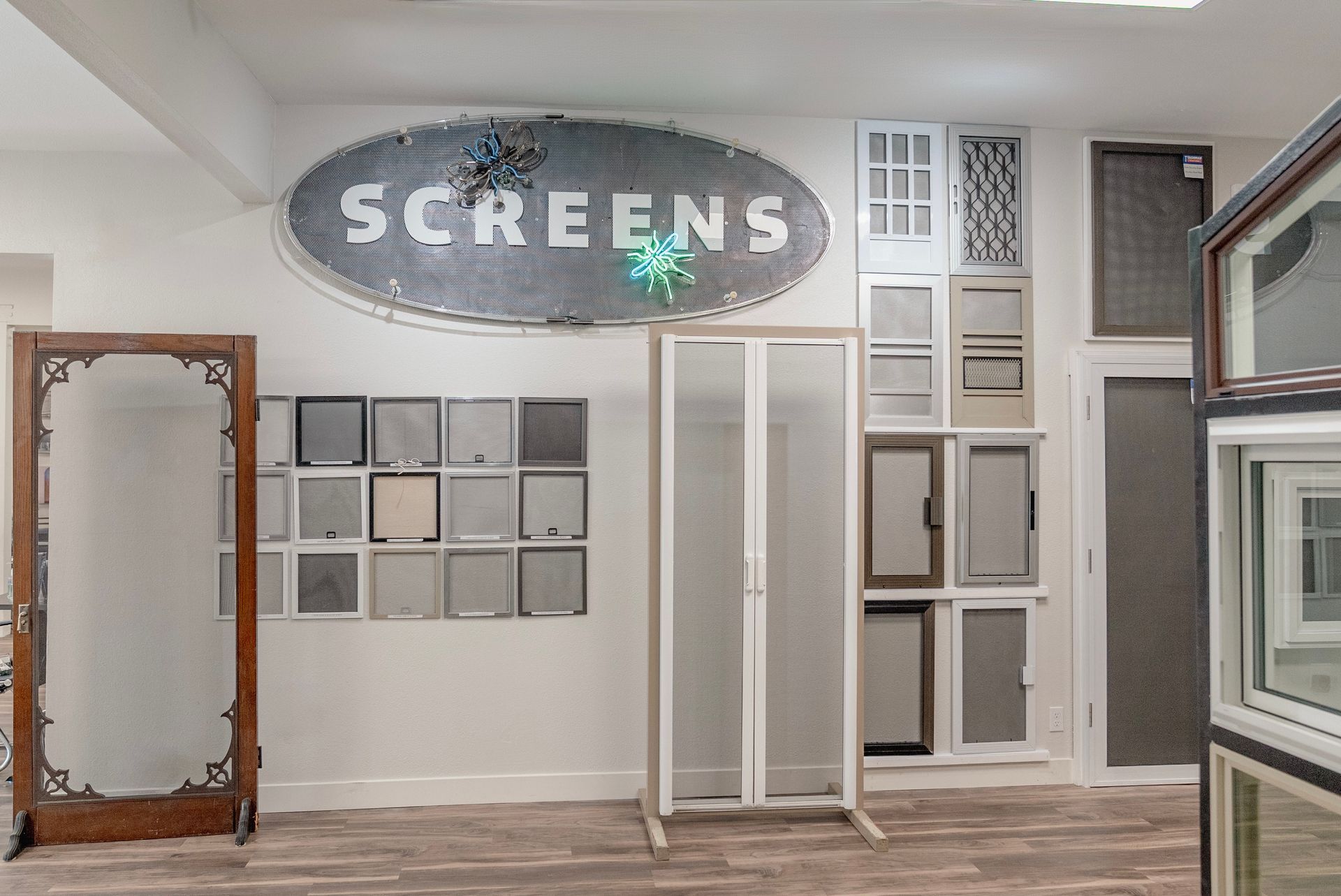
We supply and install a full range of grille styles and door series, including the
Tahoe Series 6900 with an Imperial small pattern grille, the
La Jolla Series 6300 with an Imperial Skipmesh grille, the
Maverick Series 7000 with an Amplimesh grille, the
El Dorado Series 3900 with a decorative Peacock grille, and the Santa Fe Series 6700 and
6800 with Amplimesh and metal grille surround options. The
Protecto Series 4400 and
4800 offer heavier grille coverage for applications where durability is the priority.
Choosing a pattern is a design decision, and the neighborhood context should drive it.
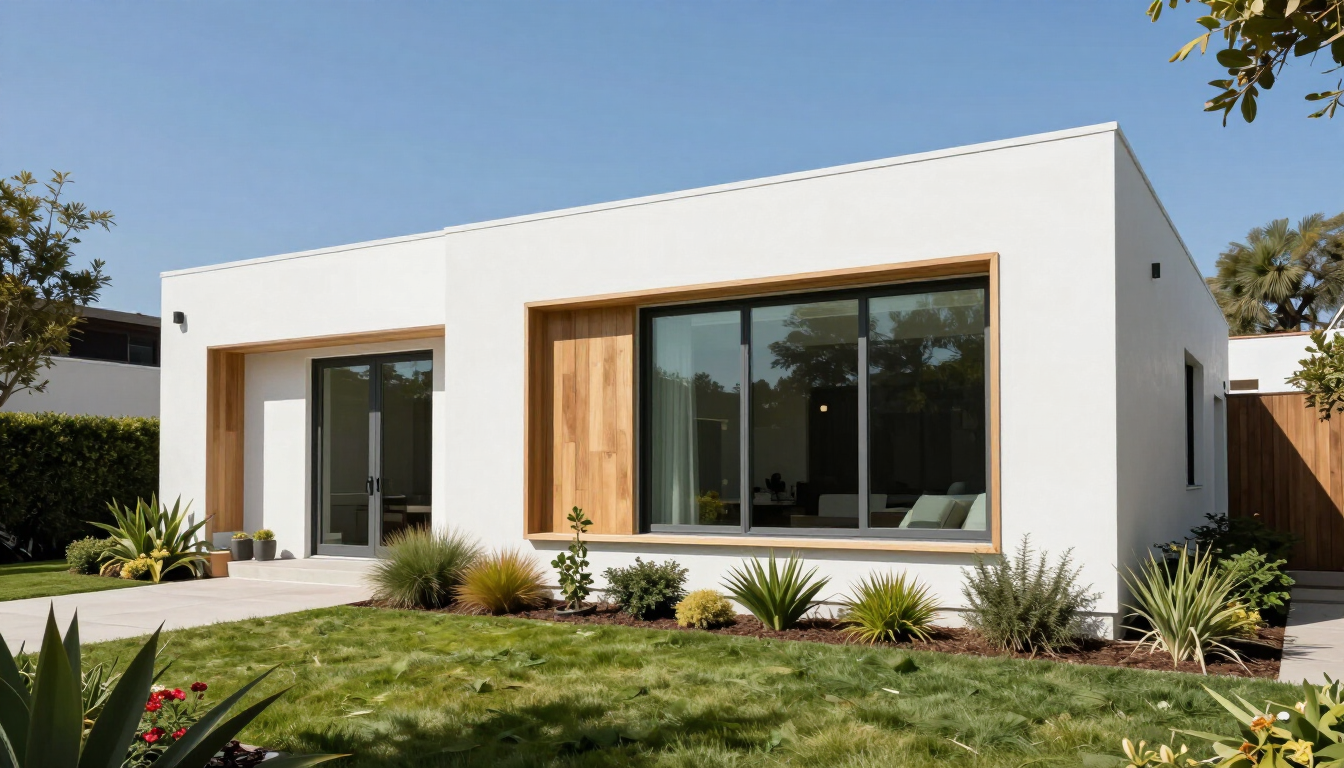
- Clean geometric grilles suit the mid-century and modernist homes scattered through the Silver Lake hills.
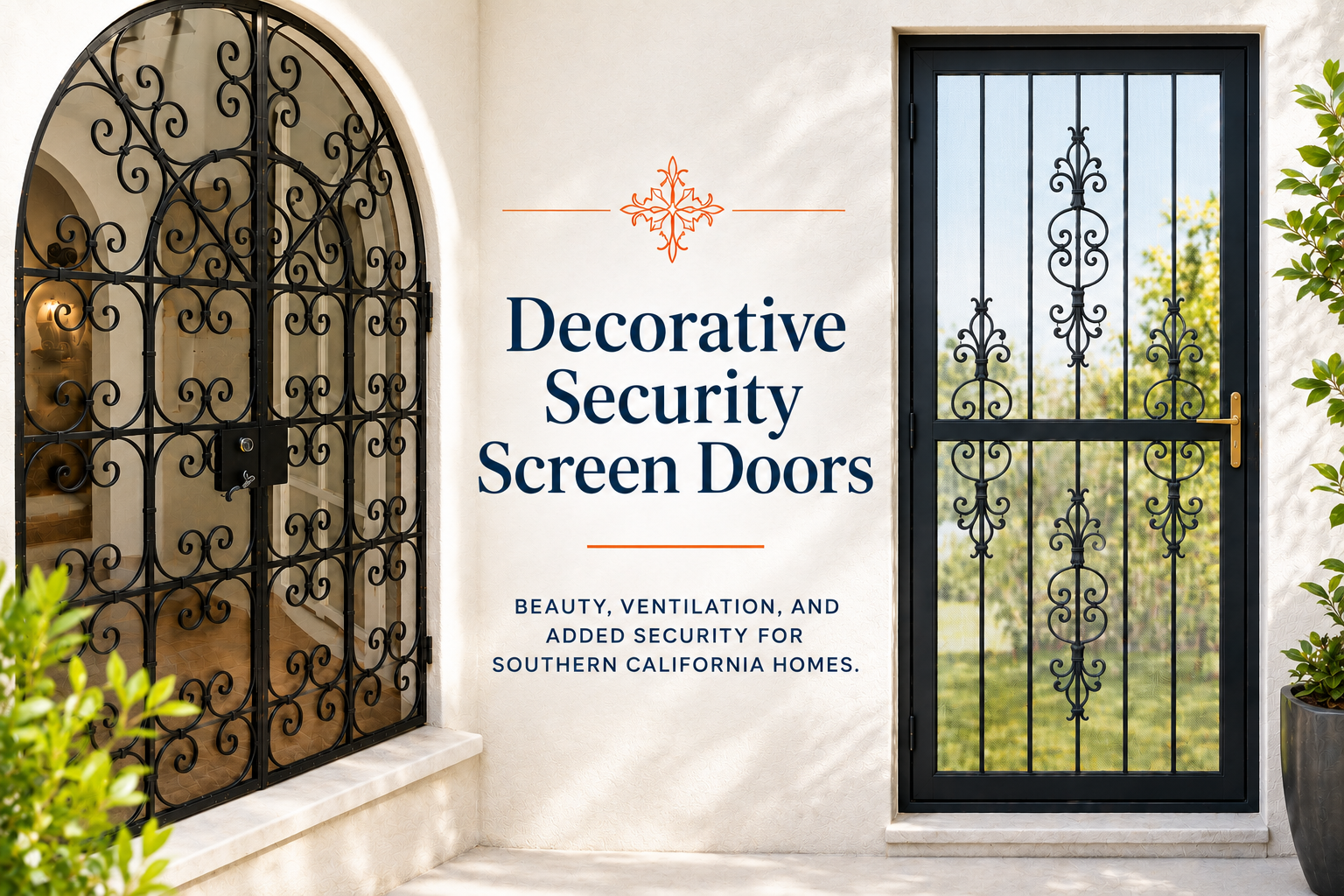
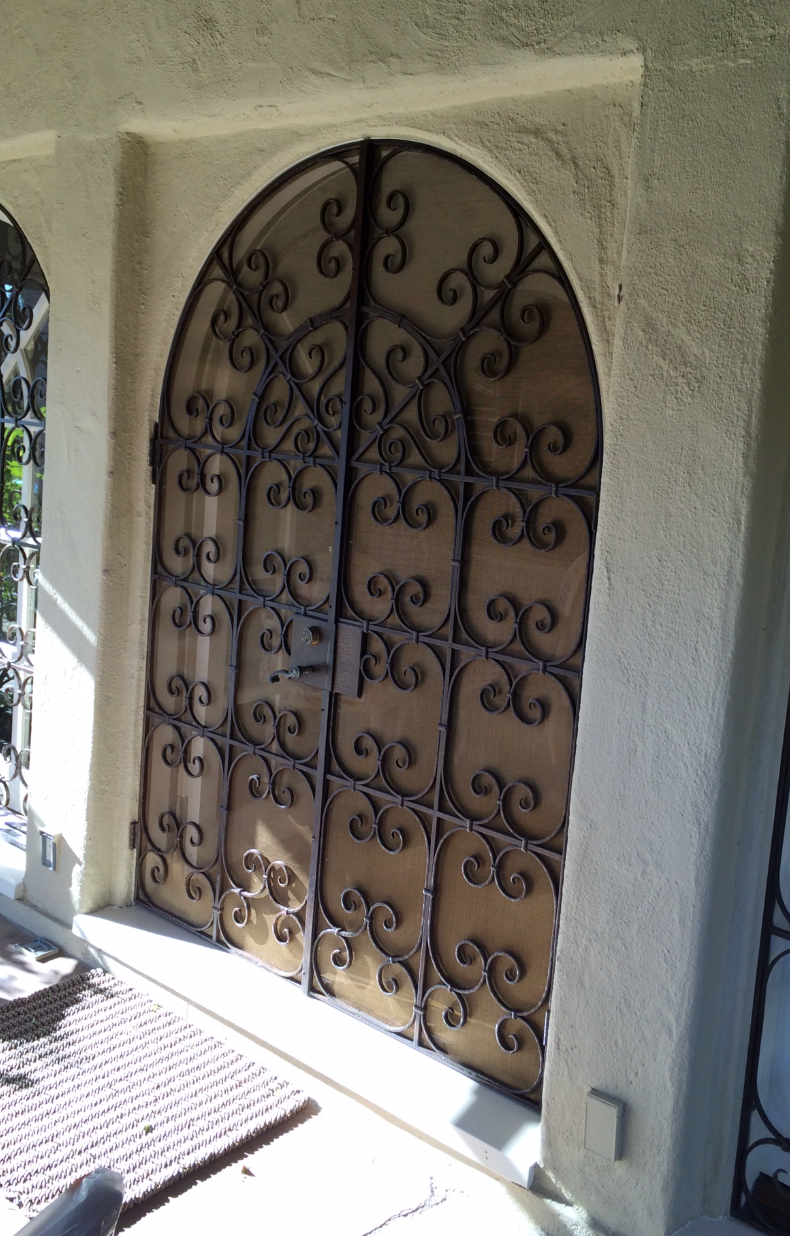
- Ornamental scroll and Peacock patterns fit Spanish Colonial Revival and Mediterranean entries.
- Simple, small-pattern grilles work on Craftsman bungalows, where heavy ornament would compete with existing millwork.
- Full lower grille coverage makes sense on any door that dogs, children, or delivery traffic will push against daily.
Many of the systems we install come from
Active Window Products screen door lines, a manufacturer whose extruded aluminum construction and grille selection we have relied on for years. Naming the manufacturer matters, because a screen door is only as good as the extrusion it is built from.
Built-In Pet Doors for Silver Lake Dogs and Cats
A built-in pet door is the single most requested upgrade we install, and it is the clearest example of a screen door adding function rather than taking it away.
The pet door is integrated into the screen door during fabrication rather than cut into it afterward. That distinction is the whole point. A retrofit cut weakens the frame and compromises the panel's structural integrity. A factory-integrated pet door keeps the frame intact and gives you a clean opening with a proper flap and surround.
Pet doors can be installed in swinging aluminum doors, wood doors, and sliding screen doors. Pairing one with pet-resistant mesh on the lower half is the combination that lasts, because the dog stops scratching the mesh once it has its own way through.
Tashman Home Center was recently featured in regional
press coverage of screen doors
with built-in dog doors, which walks through how homeowners choose the right configuration for their pet and their opening.
When a Screen Door Should Also Be a Security Door
For many Silver Lake homeowners, especially those on street-facing lots or in ground-floor units, ventilation and security are one and the same conversation. You want to leave the front door open on a warm evening without leaving the house open.
A standard swinging screen door with a decorative grille adds a meaningful visual and physical deterrent, but it is not a security barrier. If your priority is a door you can leave latched while the main door stands open overnight, you want a purpose-built unit with a welded steel or heavy aluminum frame, a reinforced mesh, and a deadbolt-rated lockset.
That is a different product, and we build it. Our
security door screens for Los Angeles homes range from clean, modern steel doors to decorative water-jet-cut patterns that read as architectural rather than defensive. Homeowners frequently install a security screen at the front entry and a standard swinging screen door at the back or side entry, which is a sensible way to allocate budget.
The honest guidance is this. Ask yourself what the door needs to do at two in the morning. If the answer is only insects, a well-built swinging screen door is the right call. If the answer includes anything else, step up to a security unit at that opening.
What Screen Door Installation Looks Like From Measure to Finish
Homeowners consistently underestimate how much of the screen door's outcome is determined by installation rather than by the product.
Here is the sequence we follow.
- On-site measure. We measure the opening at multiple points to identify out-of-square conditions, and we inspect the jamb, threshold, and existing hardware.
- Framing evaluation. If the jamb is damaged, rotted, or out of plumb beyond what shimming can correct, we tell you before the order goes in rather than after.
- Product selection. You choose frame material, finish, grille pattern, mesh type, hinge side, and any pet door configuration.
- Fabrication to your dimensions. The door is built to the opening we measured, not to a nominal size.
- Installation. We hang the door, set the hinges, adjust the closer, align the latch and strike, and confirm the door closes and latches under its own weight.
- Walkthrough. We show you the adjustment points on the closer and the hardware, so you know how to fine-tune it seasonally.
A screen door installation on a straightforward opening takes a few hours. Openings that need jamb repair or threshold work take longer, and we would rather tell you that up front than surprise you on the day.
How Swinging Screen Doors Compare to Sliding and Retractable Screens
Each screen door style solves a different problem. Choosing correctly saves you money and frustration.
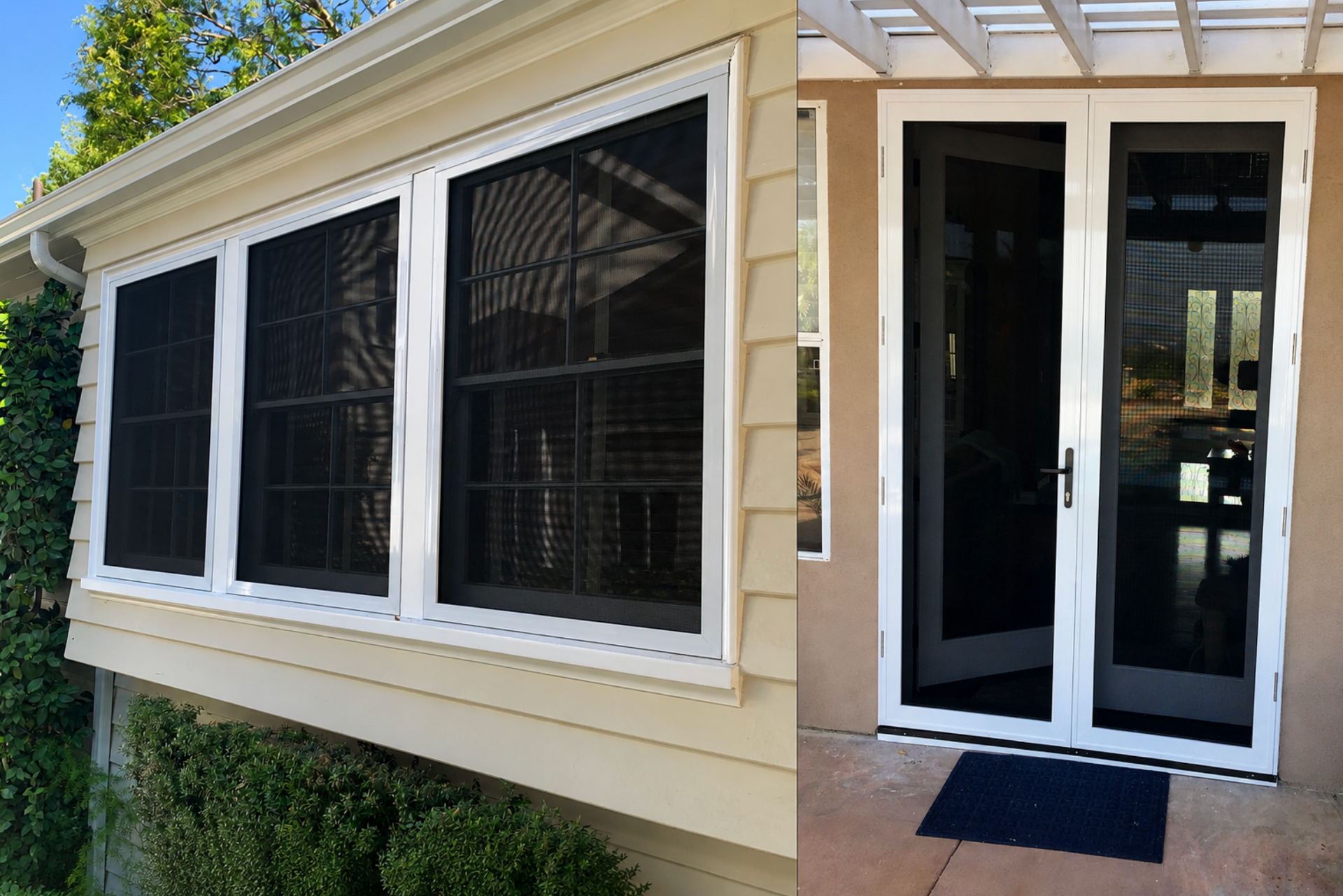
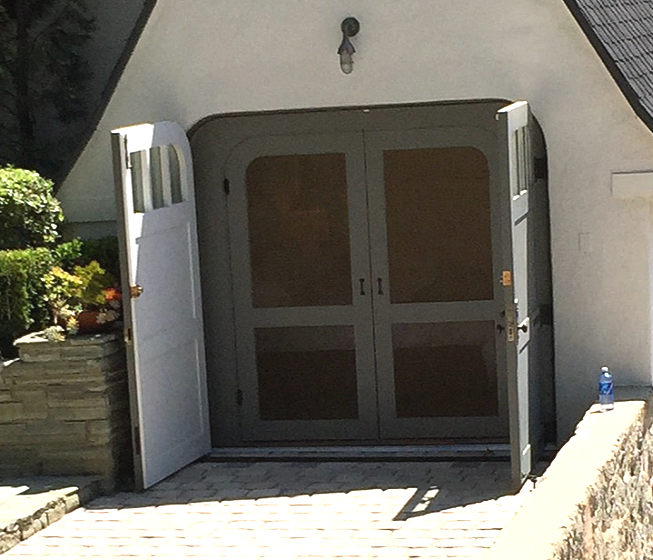
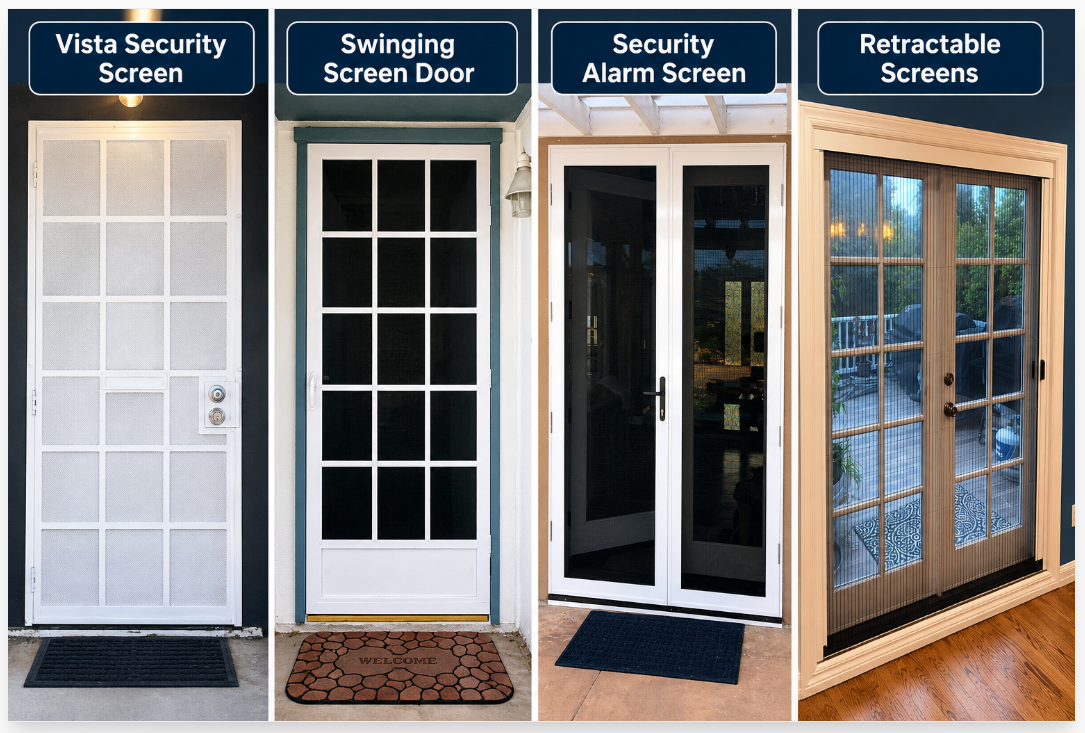
Swinging screen doors are the right choice for single entry doors, side doors, back doors, and any opening where you want maximum airflow, a decorative grille, or a built-in pet door. They require swing clearance on one side of the opening.
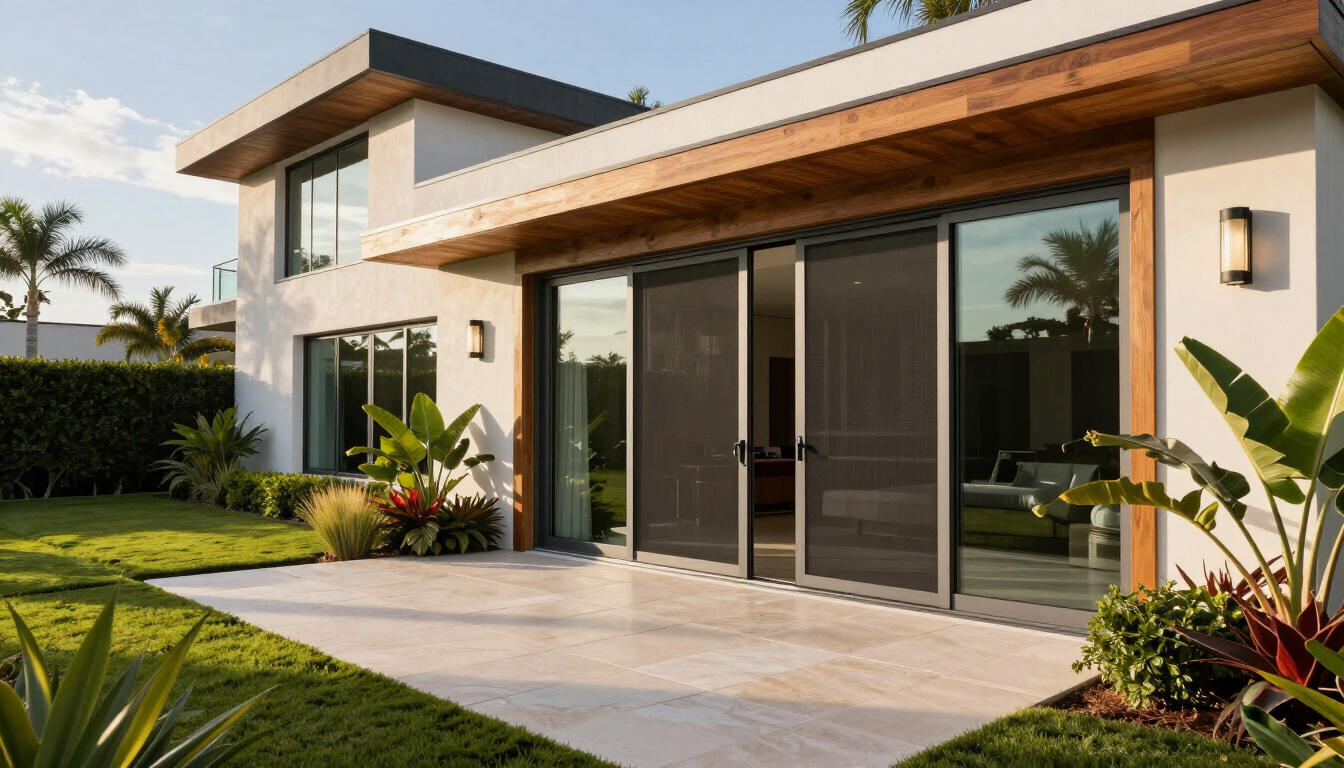
Sliding screen doors are the right choice for patio slider openings where the primary door already slides. They save swing clearance, run on a track, and are the standard solution for a Silver Lake home opening onto a deck or hillside patio.
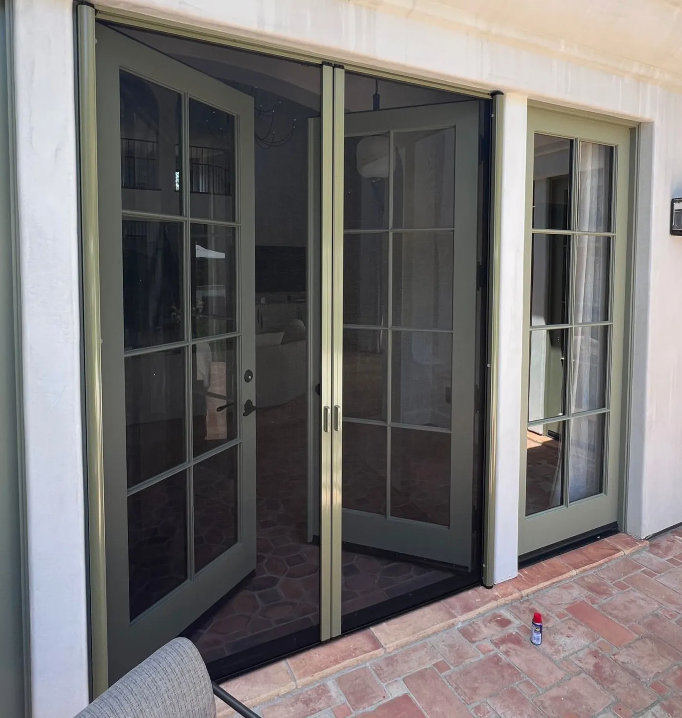
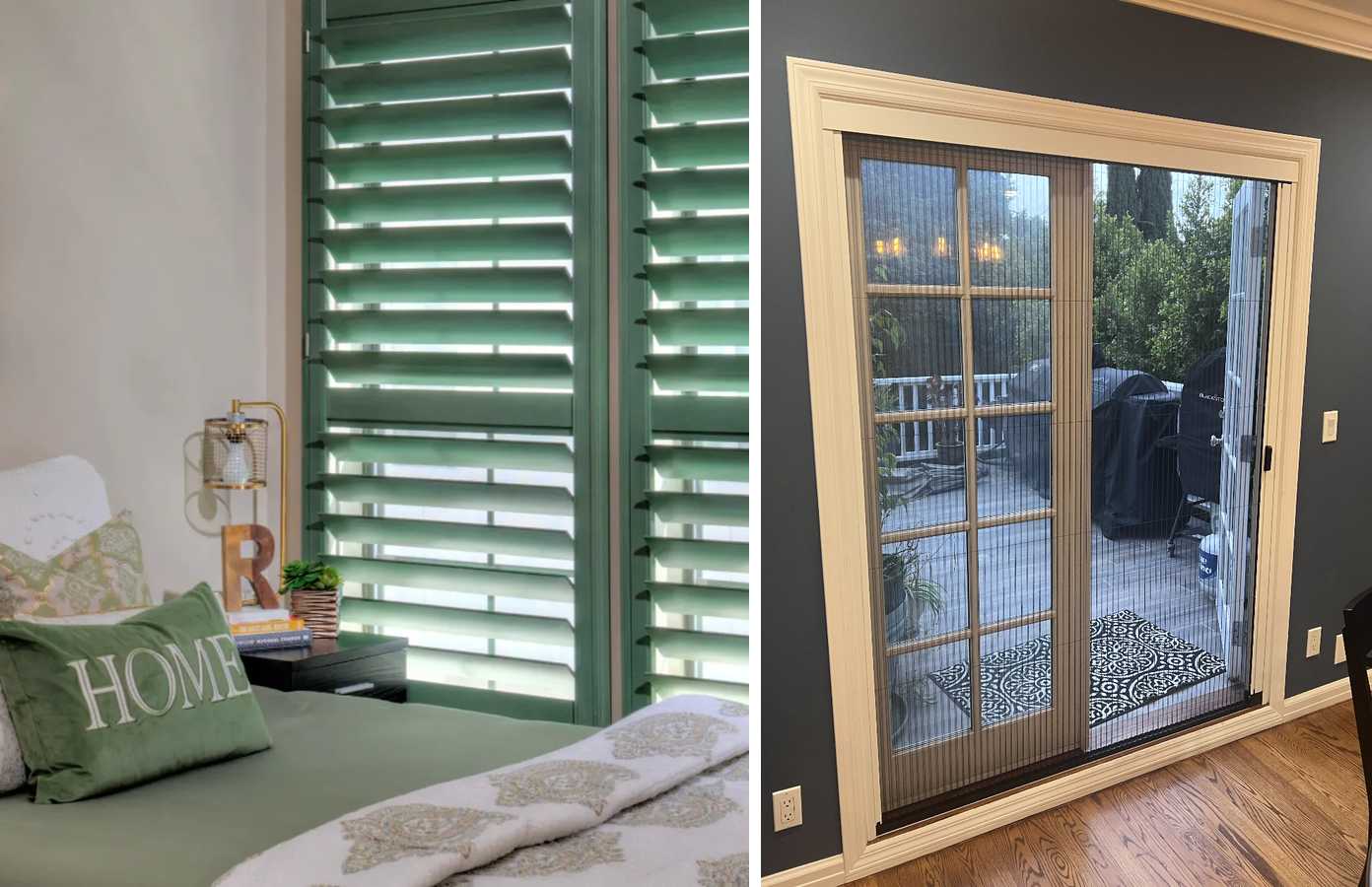
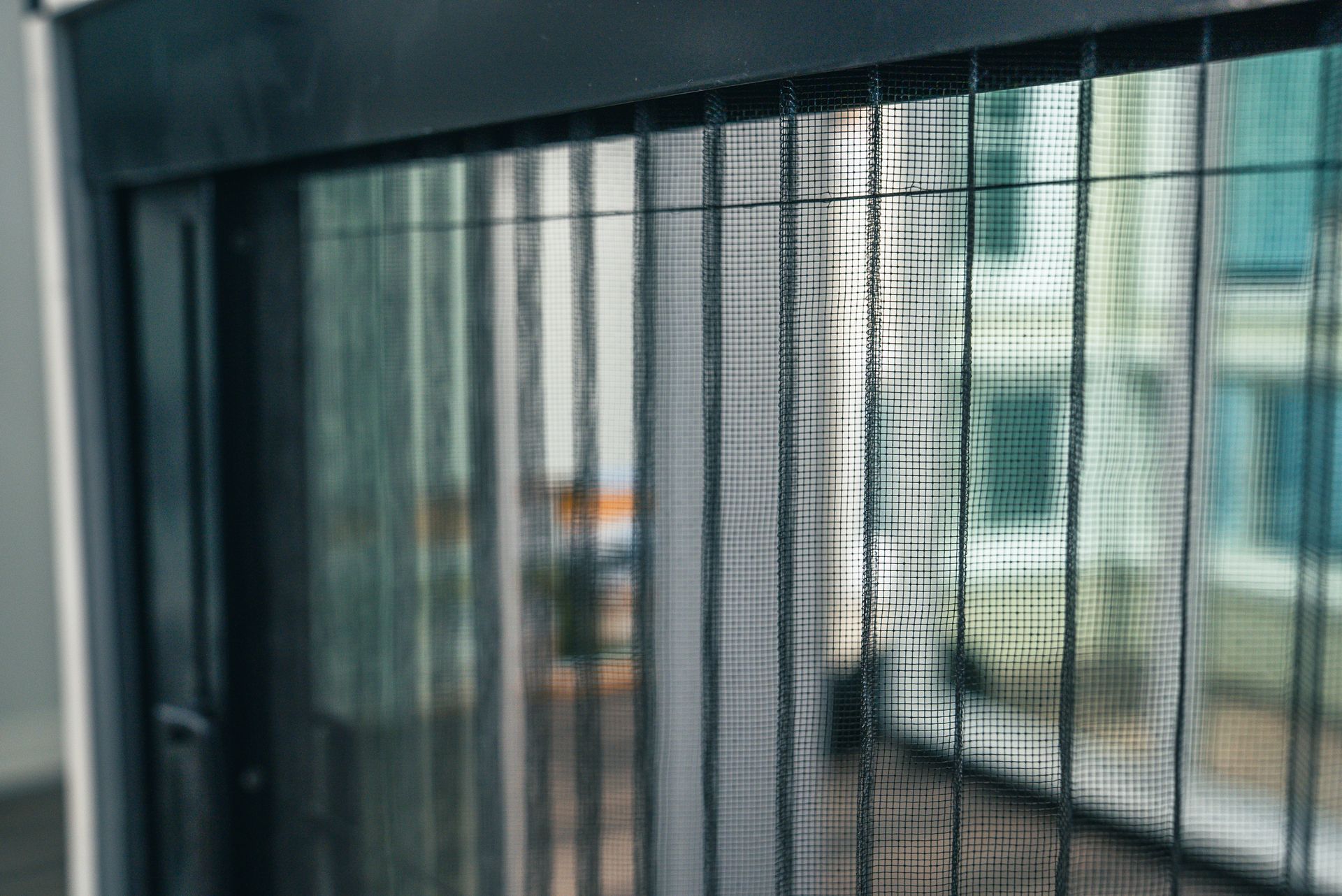
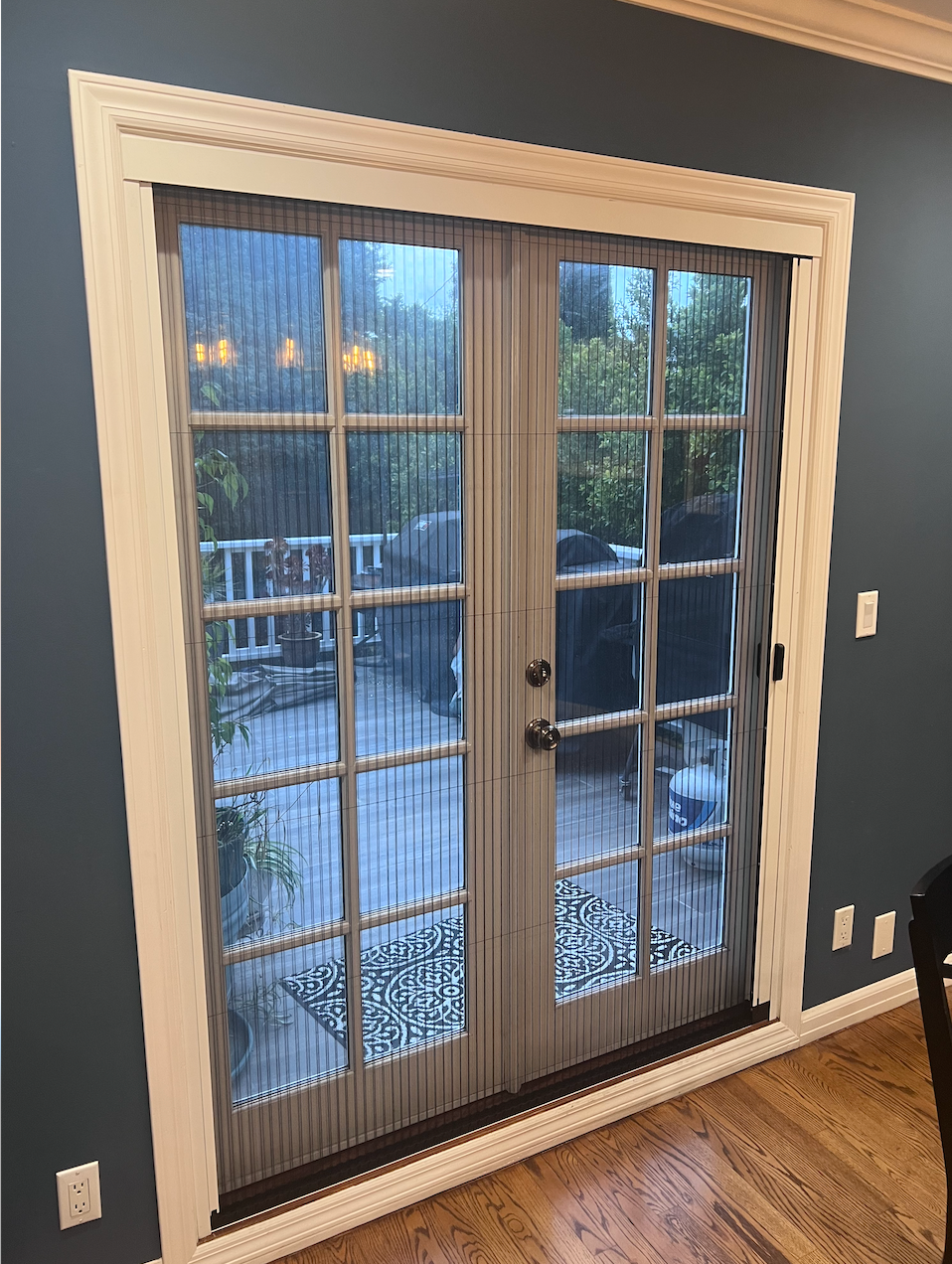
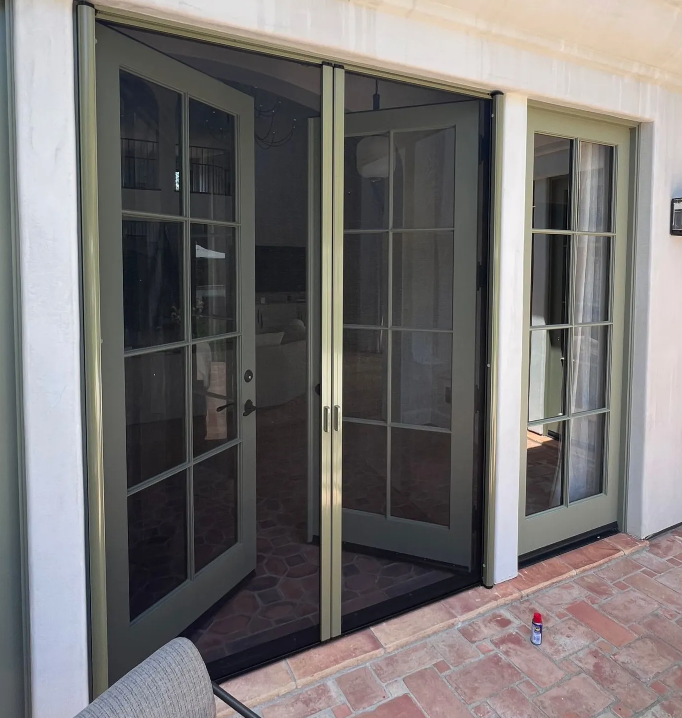
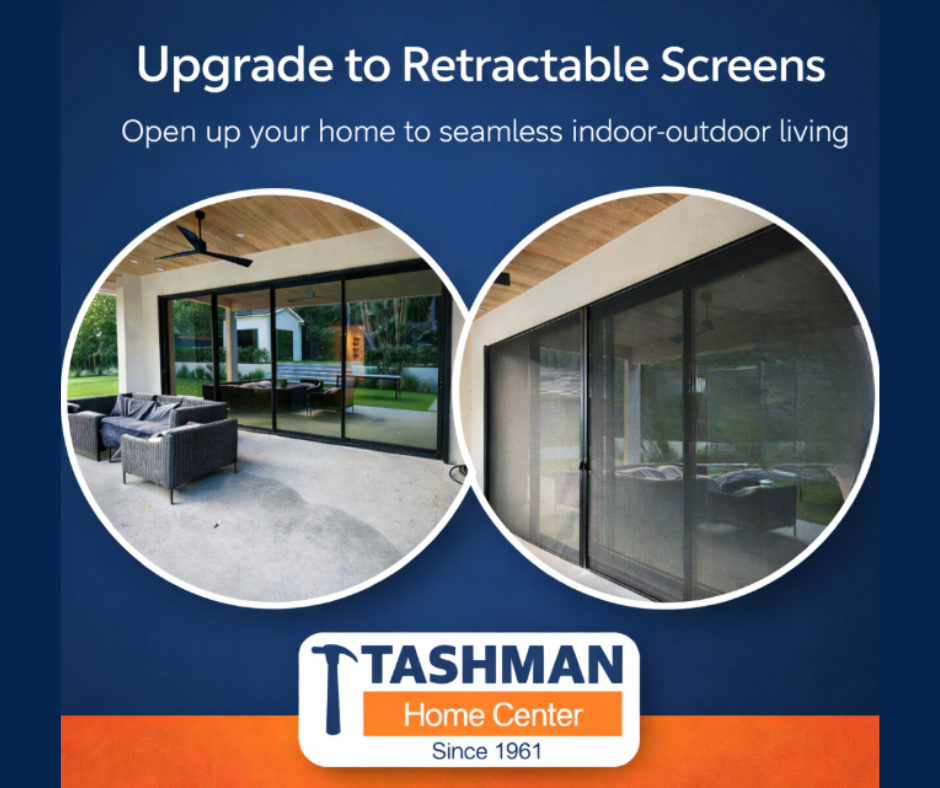
Retractable screens are the right choice when the homeowner does not want a visible screen year-round. The screen rolls into a side housing and disappears. The tradeoff is that retractable systems cannot carry decorative grilles or pet doors, and the mesh is more vulnerable to pets and children.
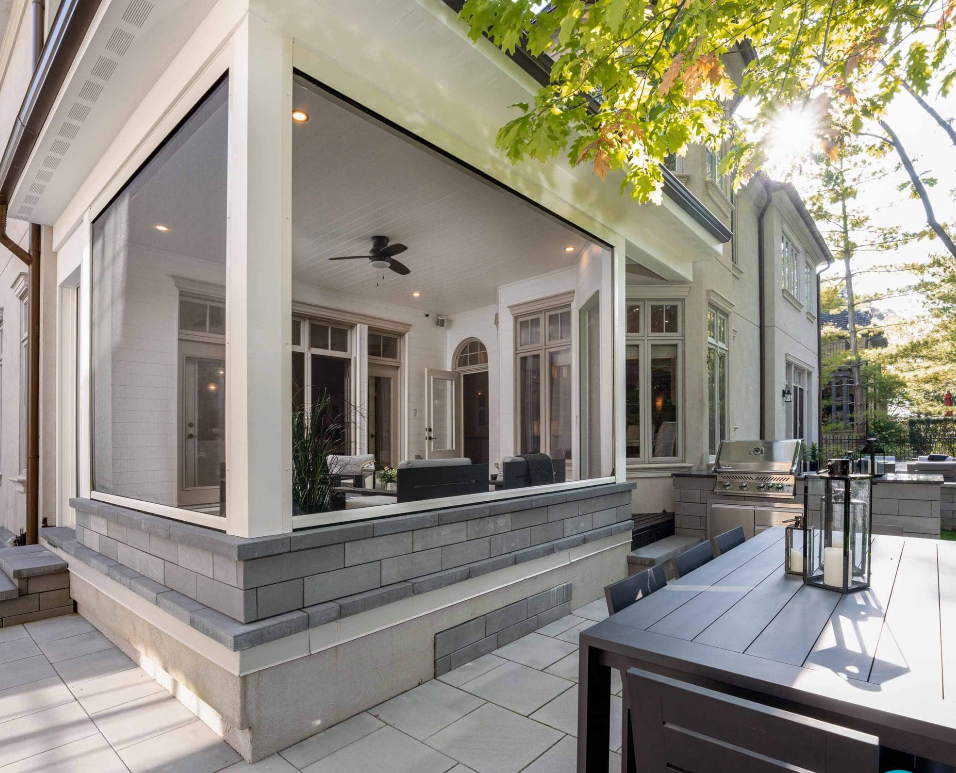
Most Silver Lake homes end up with a combination. A swinging screen door at the front entry, a slider screen at the patio, and a retractable unit at a French-door opening are a common configuration across the properties we serve. Our full range of
hinged screen door options and configurations covers all three approaches.
What Swinging Screen Door Installation Costs in Silver Lake
Pricing depends on size, frame material, grille pattern, mesh type, and any pet door. Here is a realistic breakdown for the Los Angeles market.
- A standard-size aluminum swinging screen door with basic mesh and professional installation typically runs
$450 to
$700.
- Adding a decorative grille pattern moves the range to roughly
$700 to
$1,000.
- Custom sizing for a non-standard or settled opening adds approximately
$150 to
$350.
- A built-in pet door adds roughly
$150 to
$400 depending on the size of the animal.
- Custom wood screen doors for historic entries generally start around
$900 and climb based on species and joinery.
- Purpose-built security screen doors range from roughly
$600 for a standard steel unit to
$3,000 for decorative water-jet patterns.
National averages for basic screen door installation range from
$175 to
$500, which reflects stock doors for square openings. Los Angeles custom work runs above that range because the doors are built to the opening and installed by a trained crew rather than pulled off a rack.
The number that matters is the one attached to your actual opening, and that requires a measure. We do not charge for it.
Caring for Your Screen Door So It Stays Looking New
A well-built screen door needs very little, but the little it needs prevents almost every failure we get called about.
- Rinse the mesh with a hose two or three times a year to remove dust, the primary cause of reduced airflow.
- Lubricate the hinges annually with a dry silicone spray rather than an oil-based product that collects grit.
- Check the closer tension each spring and fall, since temperature swings change how the door seats.
- Tighten the latch and strike screws once a year, because normal use loosens them gradually.
- Inspect the bottom rail and sweep for gaps, since that is where insects first find their way in.
Aluminum-framed screen doors installed and maintained this way commonly last fifteen to twenty-five years. Mesh is a wear item and may need replacement once or twice in that span, which is a small service call rather than a new door.
Get a Free Quote for Your Silver Lake Home
If your current screen door sags, rattles, sticks, or simply looks wrong on the front of your house, you do not have to accept it. A door built for your opening, finished to match your trim, and hung by the people who measured it is a different category of product.
Tashman Home Center has served Silver Lake, Los Feliz, Echo Park, Atwater Village, and the surrounding Los Angeles neighborhoods from our West Hollywood showroom since
1961. We are a family-owned business in our fourth generation; we hold
California Contractor License 298720, and our installers are trained in-house rather than subcontracted out.
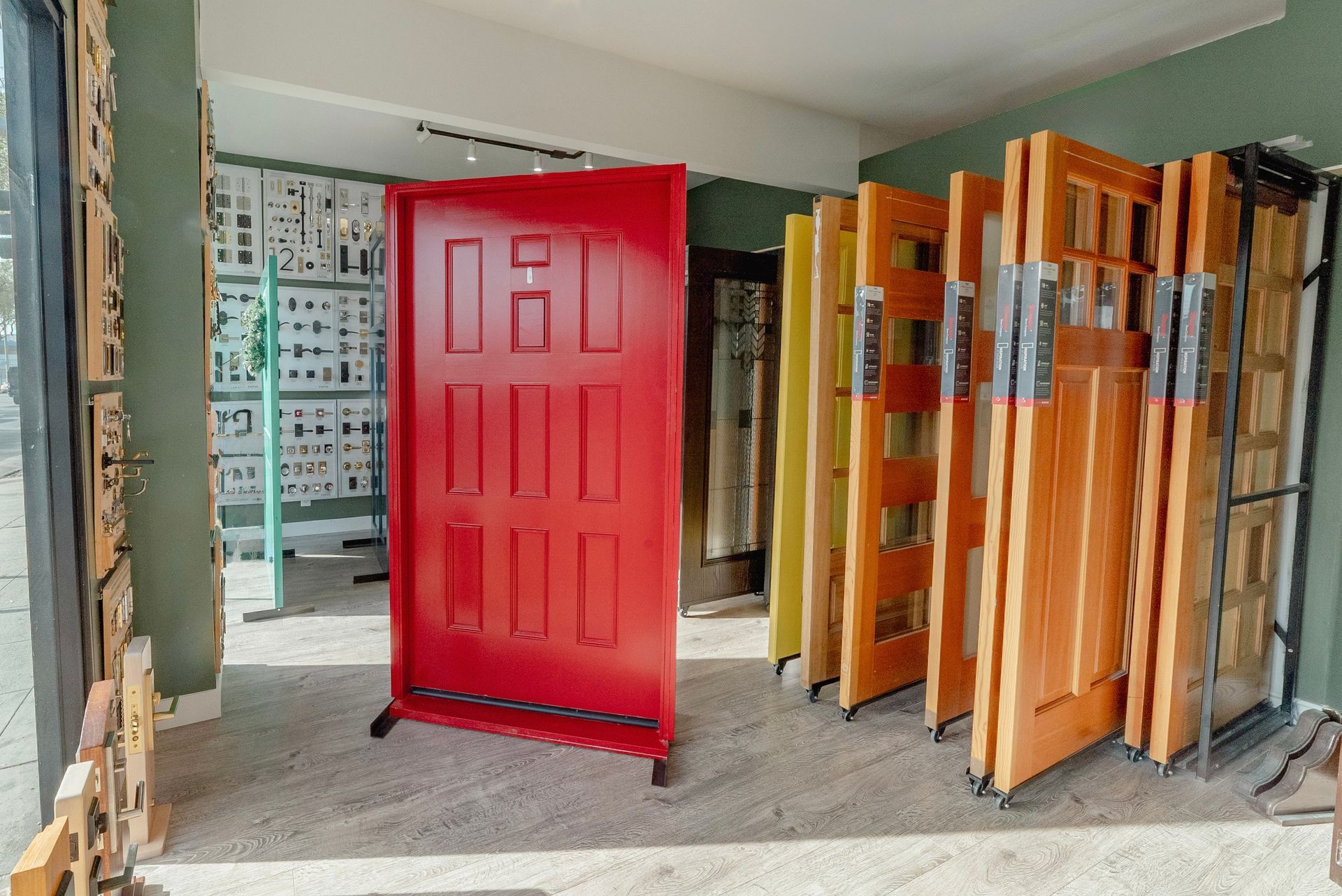
Stop by the showroom at 7763 Santa Monica Boulevard to see frame finishes, grille patterns, and mesh options in person, or call
(323) 676 0700 to talk through your opening.
Ready to get started?
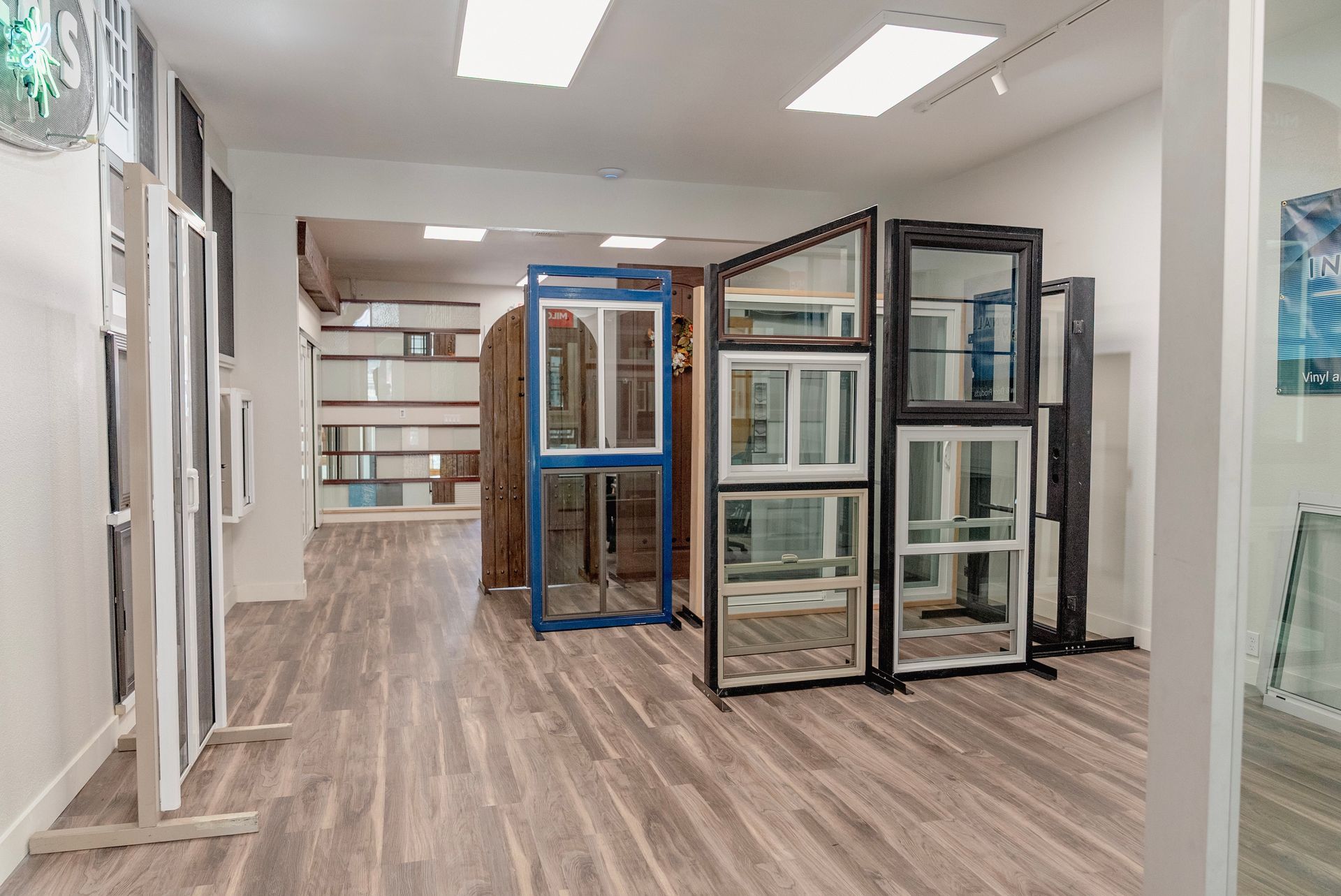
Request a screen door estimate, and we will come out, measure your opening, and provide a firm quote.