Soundproof Windows in Sherman Oaks: Quiet Homes Near the 101
If your bedroom faces the Ventura Freeway, you already know the sound. It is not the occasional horn or a neighbor's leaf blower. It is the steady roar of tires that starts before sunrise, the low growl of trucks working toward the 405 interchange, and the late night motorcycles that seem to find every gap in an old window frame. For many homeowners in Sherman Oaks, living near the 101 is part of the deal. Hearing it in your bedroom does not have to be. Tashman Home Center has spent decades quieting homes across Los Angeles, and soundproof windows in Sherman Oaks are one of the most effective fixes we install. This guide explains what works against freeway noise, what it costs, and how to plan a quieter home.
The Short Answer
The most effective way to quiet a Sherman Oaks home near the 101 is an interior soundproof window installed behind your existing windows. A CitiQuiet unit adds laminated glass, a deep air space, and tight seals, with lab ratings around STC 45 to 48. Tashman Home Center installs most rooms in one to two days.
Why Freeway Noise Near the 101 Is Harder to Block
Street noise and freeway noise are not the same problem. A car passing on a residential street makes a short burst of sound that rises and fades. A freeway is a continuous line of traffic, so the sound never fades. Your ears and your brain never get a break, which is why so many people near the 101 say the noise feels worse at night than it does during the day.
The makeup of the sound matters too. Tire roar sits in the middle frequencies, where standard dual pane glass does a reasonable job. Heavy trucks, buses, and motorcycles add a lot of low frequency energy from engines and exhaust. Low frequency sound has long wavelengths that pass through thin glass and small air gaps with very little loss. That is the deep hum you can feel as much as hear, and it is the part of freeway noise that most ordinary windows leave behind.
Sherman Oaks also sits beside one of the busiest stretches of road in Southern California. The 101 runs east and west through the community, and the interchange with the 405 is widely described as one of the most heavily traveled freeway junctions in the country. Traffic slows, merges, and accelerates there all day, and trucks downshift on the grades. All of that adds up to a sound that rarely stops.
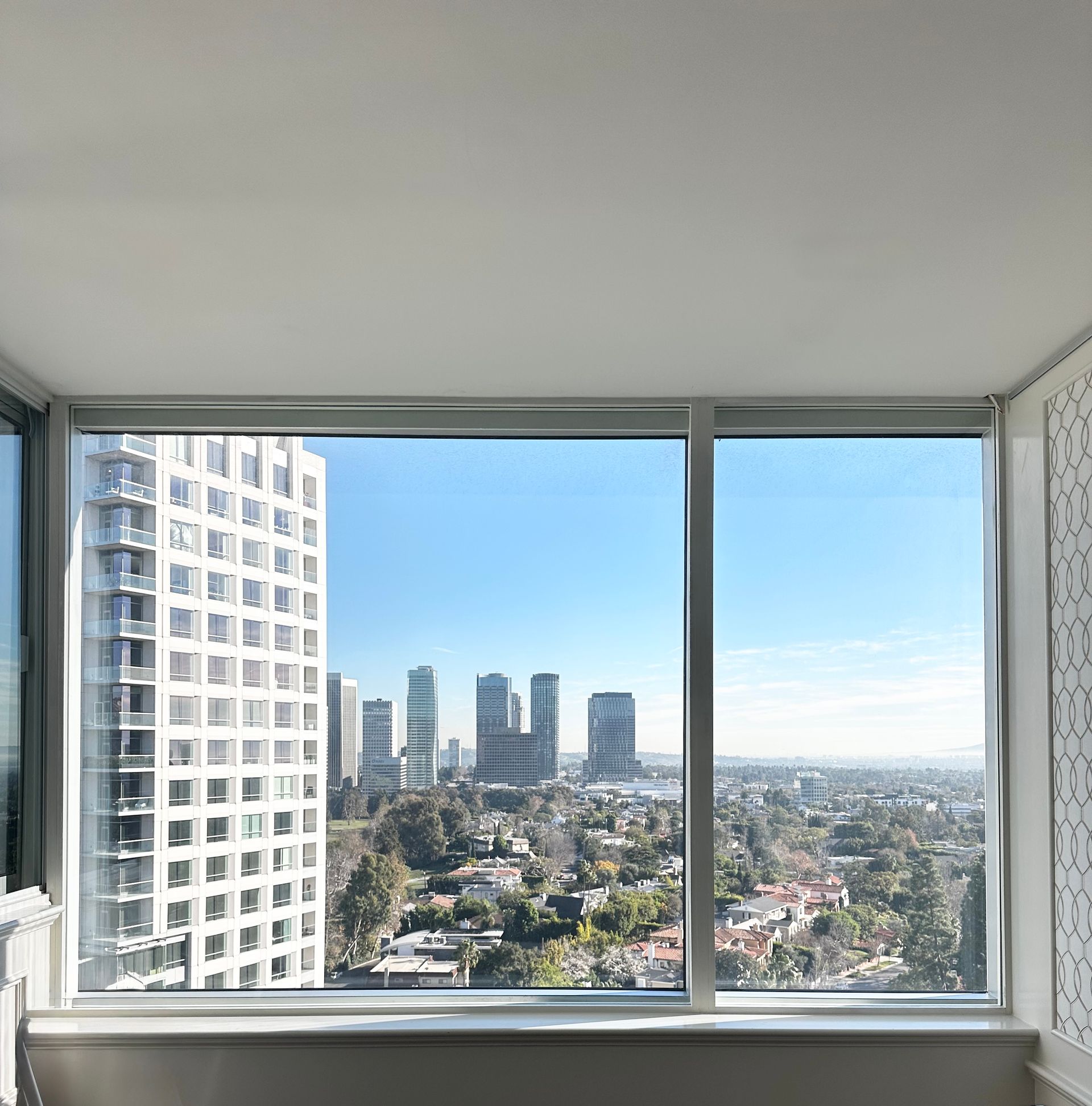
The sound walls along the freeway help, but only to a point. A wall works best when it blocks the line of sight between you and the traffic. If you can see the freeway from a window, the wall is doing little for that window. That is why second story bedrooms, hillside homes, and upper floor condos often hear more traffic than the house next door at ground level.
What homeowners near the 101 usually describe hearing:
- A constant roar of tires that never fully goes away, even late at night.
- Deep engine and exhaust rumble from trucks and buses that seems to come through the walls.
- Sharp spikes from motorcycles, sirens, and horns that interrupt sleep.
- Echoes off nearby buildings and hillsides that make the noise feel closer than it is.
Where Sherman Oaks Homes Pick Up the Most Noise
Every street is different, but certain conditions show up again and again when we visit homes in Sherman Oaks.
Homes Close to the Freeway Corridor
Streets that run alongside the 101 catch the most direct noise, especially the blocks near the Sepulveda, Van Nuys, and Woodman exits. Homes on these streets often hear traffic in every room that faces the lanes, and the noise is usually worst in rooms with older windows.
Hillside Homes South of Ventura Boulevard
The hills that climb toward Mulholland Drive give many Sherman Oaks homes beautiful views across the San Fernando Valley. Those same views often include the freeway. Sound travels up the slope with nothing in the way, and the sound walls below sit far too low to help.
Second Floors, Condos, and Apartments
Upper floors sit above the top of most sound walls. Condo and apartment buildings near the freeway corridor often have large window walls and sliding doors that face the traffic. Many of these buildings also have HOA rules about exterior changes, which shapes what kind of solution makes sense.
The same conditions apply in neighboring Studio City, Encino, Valley Village, and Van Nuys. If you live within earshot of the 101 or the 405 anywhere in the Valley, the approach below works the same way.
How Soundproof Windows Work Against Traffic Noise
Soundproofing a window comes down to four things working together. Leave out any one of them and the result falls short. This is how CitiQuiet soundproof window systems are built to handle freeway noise.
Mass From Laminated Glass
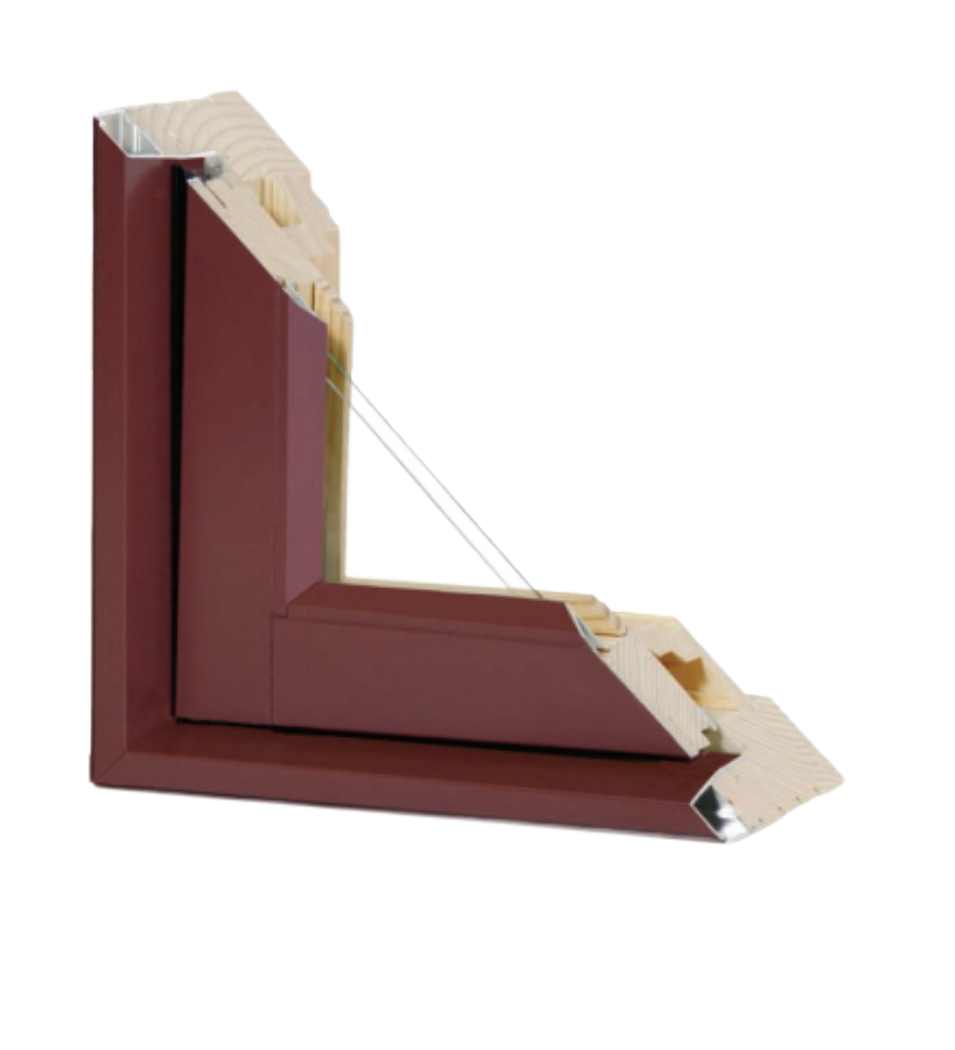
Heavier glass vibrates less, and less vibration means less sound passes through. Laminated glass adds a layer of PVB plastic between two sheets of glass. That interlayer absorbs vibration and turns some of the sound energy into a tiny amount of heat. Laminated glass is also much harder to break, which adds a security benefit for ground floor rooms.
A Deep Air Space
The single biggest difference between a soundproof window and a standard dual pane window is the air space. Standard insulated glass usually has a gap of well under an inch. An interior soundproof window sits inside your existing frame, which creates a much deeper gap between the two layers of glass. CitiQuiet notes that its air gap is often 4 to 5 inches. That depth is what lets the system fight the low frequency rumble that thin glass lets through. You can read more about how CitiQuiet soundproof windows work on the manufacturer's site.
Different Glass Thicknesses
When two panes of glass are the same thickness, they tend to vibrate at the same frequency, and sound passes through at that frequency more easily. Using glass of different thicknesses on each layer breaks up that weak spot so the system blocks a wider range of sound.
Airtight Seals
Sound behaves like water. If air can get through a gap, sound can too. Older windows in Sherman Oaks often have worn weatherstripping, loose sashes, or aluminum sliders that never sealed well in the first place. A soundproof window uses compression seals that close tightly against the frame, which shuts down the leaks that let noise slip around the glass.
Reading STC and OITC Ratings for Freeway Noise
Two ratings tell you how well a window blocks sound. Both are worth understanding before you buy anything for a home near the 101.
STC stands for Sound Transmission Class. It is calculated under ASTM E413 and is weighted toward the middle frequencies of human speech. It is the number you will see most often. OITC stands for Outdoor Indoor Transmission Class. It is calculated under ASTM E1332 and gives more weight to low frequency sources like traffic, trucks, aircraft, and trains. For a home beside a freeway, OITC is often the more telling number.
Typical STC ranges look like this:
- A single pane wood or aluminum window usually rates around STC 26 to 28.
- A standard dual pane replacement window usually rates around STC 28 to 32.
- A replacement window with laminated acoustic glass can reach STC 35 or higher.
- A CitiQuiet interior soundproof window is lab rated at STC 45 to 48 or higher.
As a rule of thumb, every 10 decibel reduction in sound is heard as roughly half as loud. That is why the jump from the high 20s to the mid 40s feels so dramatic in a bedroom that faces the freeway. CitiQuiet describes the result as roughly a 75 to 80 percent reduction in perceived loudness.
It is also worth being honest about the limits. Even the best window will not make a home beside the 101 silent, and STC ratings do not fully capture how a window handles the very lowest rumble. A well built interior system still makes the biggest difference you can get from a window, and it is the reason we recommend measuring and testing each opening instead of guessing.
Interior Soundproof Windows or Full Window Replacement?
Homeowners in Sherman Oaks usually choose between two paths. The right one depends on the condition of your current windows and how much noise you need to stop.
An interior soundproof window is the right fit for most freeway noise problems:
- It installs behind your existing window, so the outside of your home does not change.
- It works well for condos and HOA buildings because the exterior stays as it is.
- It opens and closes, so you can still get fresh air when the traffic is light.
- It can be removed later without damaging your original windows.
- Most rooms are finished in one to two days.
Full window replacement makes more sense in other cases:
- Your existing windows are failing, rotted, or impossible to operate.
- You want new frames and better energy performance along with the noise reduction.
- The window opening is too shallow to fit an interior unit.
Many older Valley homes still have original single pane aluminum sliders. In those homes, we look at the frames first. If they are sound, interior soundproof window installation usually gives you the most quiet for the money. If they are worn out, a replacement with laminated acoustic glass may be the better long term move.
Do Not Forget the Sliding Door
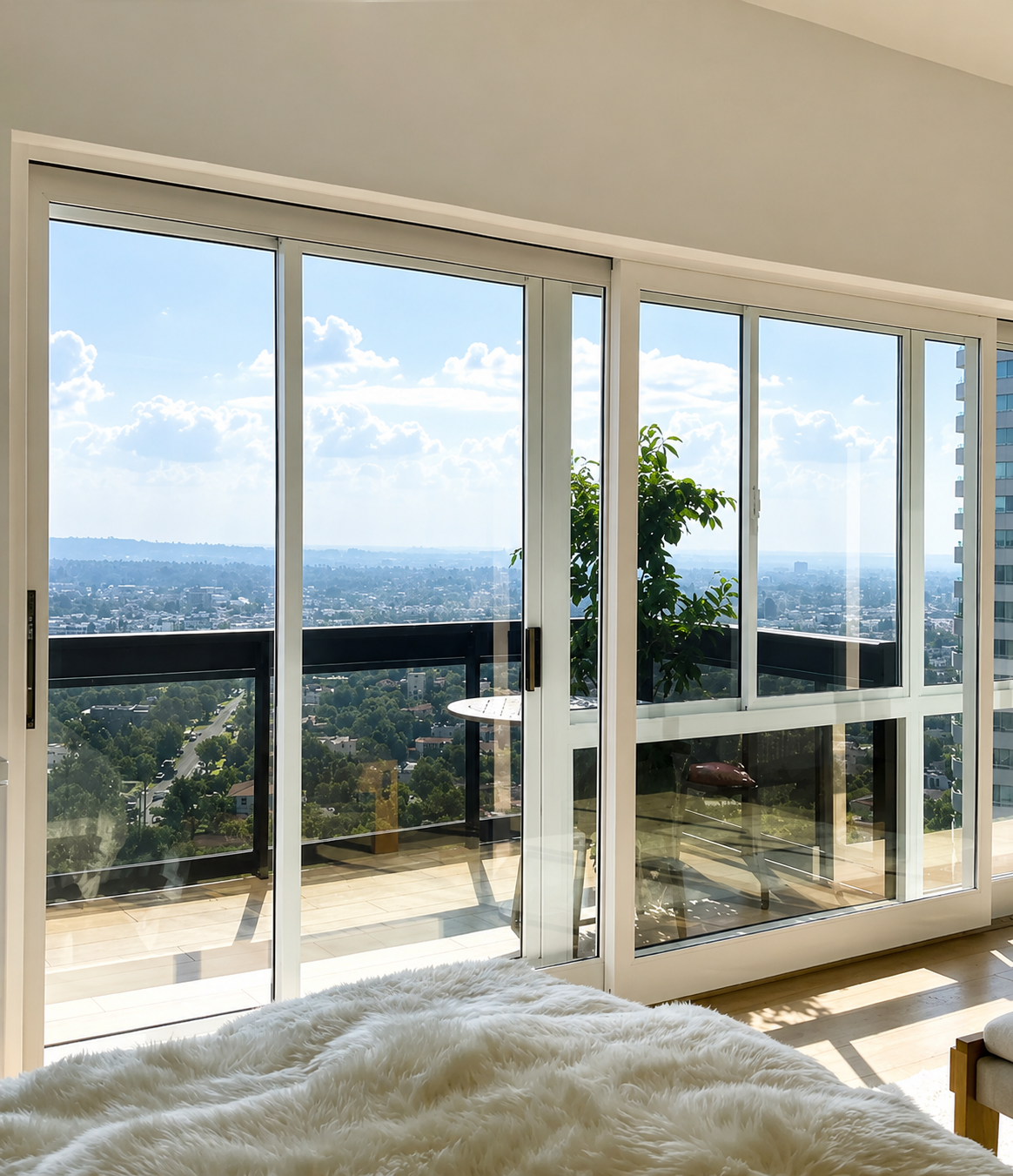
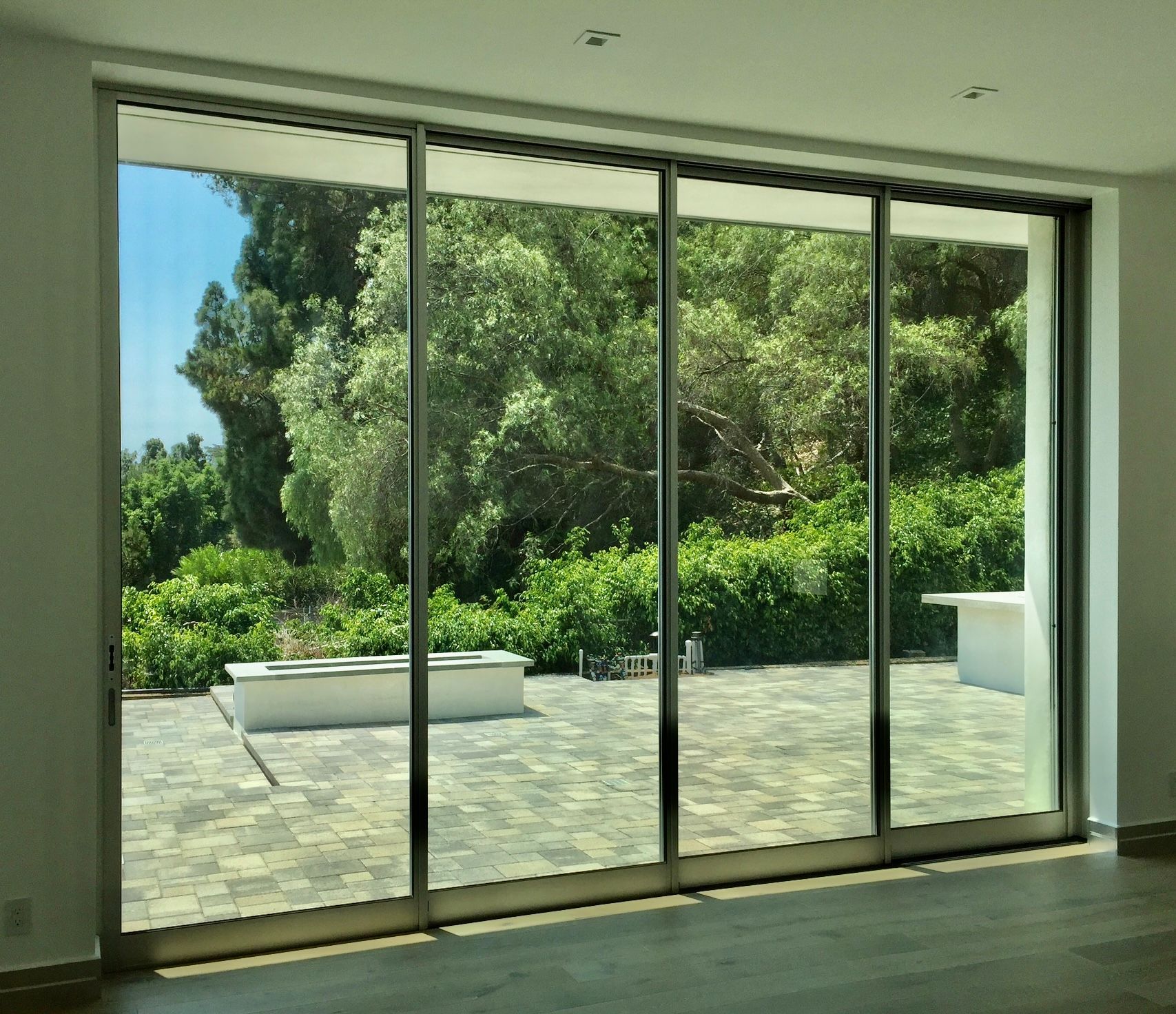
Windows get most of the attention, but a sliding glass door that faces the freeway can let in as much noise as every window in the room combined. Large panels of thin glass and worn weatherstripping around the track make sliders one of the weakest points in many Sherman Oaks homes.
The same principles apply. Laminated acoustic glass, a tight seal, and a well adjusted frame make the difference. Tashman Home Center also installs soundproof doors, so we can treat a bedroom or living room as a whole instead of fixing the windows and leaving the door as the weak link.
What Soundproof Windows Cost in Sherman Oaks
Most soundproof window projects with Tashman Home Center run about $1,000 to $1,500 or more per window, including installation. The final number depends on the window and on how much noise reduction the room needs.
The factors that move the price:
- The size of each window, since larger openings need more glass and a heavier frame.
- The window type, including sliders, casements, double hung, and fixed picture windows.
- Custom shapes such as arches or very tall openings.
- The glass package, since some rooms near the freeway call for thicker laminated glass.
- The number of openings, since treating a full room or floor at once is usually more efficient.
For a sense of scale, a bedroom with two standard windows facing the 101 would typically fall in the range of about $2,000 to $3,000 or more. A written quote after an in home measurement is the only way to know your exact number.
Standard soundproof window installations usually do not require a permit. If you live in a condo or a home with an HOA, check your association's rules before work begins, even though an interior system does not change the outside of the building.
Planning a Quieter Home Near the Freeway
You do not have to treat every window at once. Most Sherman Oaks homeowners get the best results by starting where the noise hurts the most.
- Bedrooms come first, because sleep is where freeway noise does the most damage.
- A home office is next, especially if you take calls or record video.
- The main living area follows, along with any sliding door that faces the traffic.
A few simple steps help before your consultation:
- Stand in each room at night and note which windows and doors face the freeway.
- Check for gaps, rattling sashes, and worn weatherstripping.
- Look for other paths that let sound in, such as attic vents, wall air conditioning units, and old mail slots.
- Note any HOA rules or building restrictions that apply to your home.
Windows and doors are almost always the weakest part of the wall, so they are the right place to start. If noise is still coming in after the windows are treated, we will tell you where else it is getting through.
Why Sherman Oaks Homeowners Choose Tashman Home Center
Tashman Home Center is a fourth generation, family owned business founded in 1961. We are the authorized Los Angeles representative for CitiQuiet soundproof windows, and our installers are in house and background checked, not subcontractors. We hold California Contractor License 298720 and work from our showroom at 7763 Santa Monica Boulevard in West Hollywood, a short drive over the hill from Sherman Oaks.
Our work on city noise has also drawn press coverage of our noise reduction work across Los Angeles. What matters most for homeowners near the freeway is that we measure every opening, recommend the right system for that room, and install it so it seals and operates the way it should. If you are comparing soundproof windows for Sherman Oaks homes , we are happy to walk you through every option and show you samples in person.
Get a Quieter Home Near the 101
You should not have to choose between living close to everything in Sherman Oaks and getting a full night of sleep. A well built soundproof window system can turn a bedroom that faces the freeway into the quietest room in the house.
Schedule your soundproof window consultation with Tashman Home Center, or call (323) 676 0700. We will measure your openings, explain your options, and give you a written quote.
Frequently Asked Questions
Do soundproof windows block freeway noise completely?
No window makes a home beside a freeway silent. A CitiQuiet interior system is lab rated at STC 45 to 48 or higher, and CitiQuiet describes the result as roughly a 75 to 80 percent drop in perceived loudness. For most Sherman Oaks homeowners near the 101, that turns a constant roar into a faint background sound.
How much do soundproof windows cost in Sherman Oaks?
Most projects with Tashman Home Center run about $1,000 to $1,500 or more per window, including installation. Size, window type, custom shapes, and the glass package all affect the price. We give every homeowner a written quote after measuring each opening, so you know the exact cost before any work begins.
Will a soundproof window change how my house looks from the street?
No. An interior soundproof window installs behind your existing window, so the exterior of your home stays the same. That makes it a strong choice for condos, HOA communities, and anyone who likes the look of their current windows. From inside, the unit is custom fit to the opening.
How long does soundproof window installation take?
Most installations take one to two days per room. Larger homes or custom openings can take longer. Our in house, background checked installers handle every step, so there are no subcontractors in your home, and the work is done without tearing out your existing windows or walls.
Do I need a permit for soundproof windows in Sherman Oaks?
Standard soundproof window installations usually do not need a permit. If you live in a condo or a community with an HOA, check your association's rules before work begins. Our team can explain what the installation involves so you can share the details with your HOA if needed.
Can I still open my windows after soundproofing?
Yes. CitiQuiet interior windows open and close, so you can let in fresh air on a cool evening and close them when traffic picks up. They can also be removed later without damaging your original windows, which is helpful for renters and condo owners who may move in the future.
Should I look at STC or OITC for a home near the 101?
Look at both. STC is weighted toward speech, while OITC gives more weight to the low frequency rumble of trucks and traffic. For a home beside a freeway, a good OITC number tells you more about real comfort. We will explain both ratings for any system we recommend.
Does Tashman Home Center serve Sherman Oaks and the rest of the Valley?
Yes. Tashman Home Center serves Sherman Oaks, Encino, Studio City, Universal City, and neighborhoods across Greater Los Angeles. Our showroom is on Santa Monica Boulevard in West Hollywood, and our team comes to your home to measure, recommend the right system, and install it.
Tashman Home Center Blog
Security Screens for Los Angeles Apartment Buildings: What Owners and Property Managers Need to Know
Taylor Ann Hancock is the Owner of Glass Mama Marketing and a recognized expert in the residential and commercial glass industry. With deep, hands-on exposure to how glaziers operate, price work, and compete in today’s market, Taylor offers practical, experience-driven insight shaped by the realities of the glass industry, not theory.
About the Author